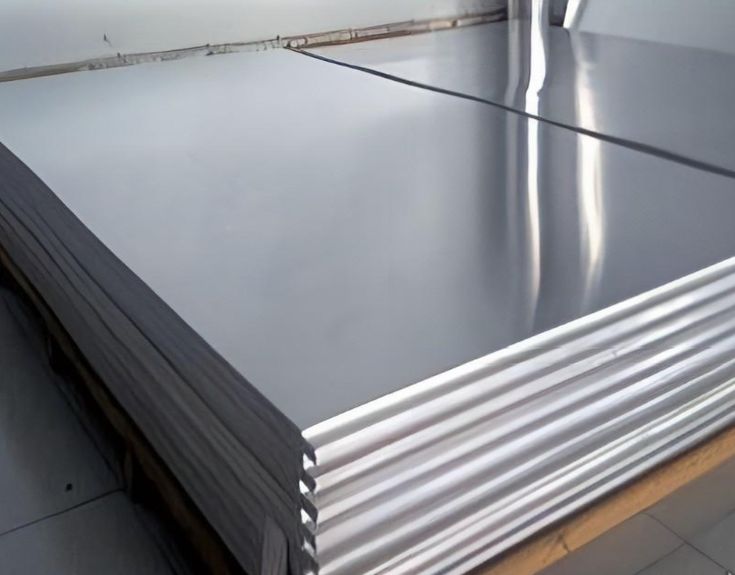
In today’s fast-moving construction and design sectors, professionals need materials that combine lightness, strength, durability, and sustainability. Enter aluminium sheets a versatile option gaining popularity among architects, engineers, manufacturers, and DIYers alike.
Aluminium sheets are flat-rolled metal panels available in a range of thicknesses, grades, and surface finishes. These sheets are commonly used across industries from architecture and signage to furniture design, automotive, and aerospace engineering.
Aluminium boasts an excellent strength-to-weight ratio, making it easier to transport, handle, and fabricate compared to heavier alternatives like steel.
A natural oxide layer forms on aluminium surfaces, offering protection against rust and environmental wear ideal for outdoor or coastal environments.
Aluminium sheets can be cut, bent, drilled, anodized, or powder-coated perfect for complex architectural or engineering applications.
Aluminium is 100% recyclable without degradation in quality. This reduces energy use and supports environmentally responsible construction.
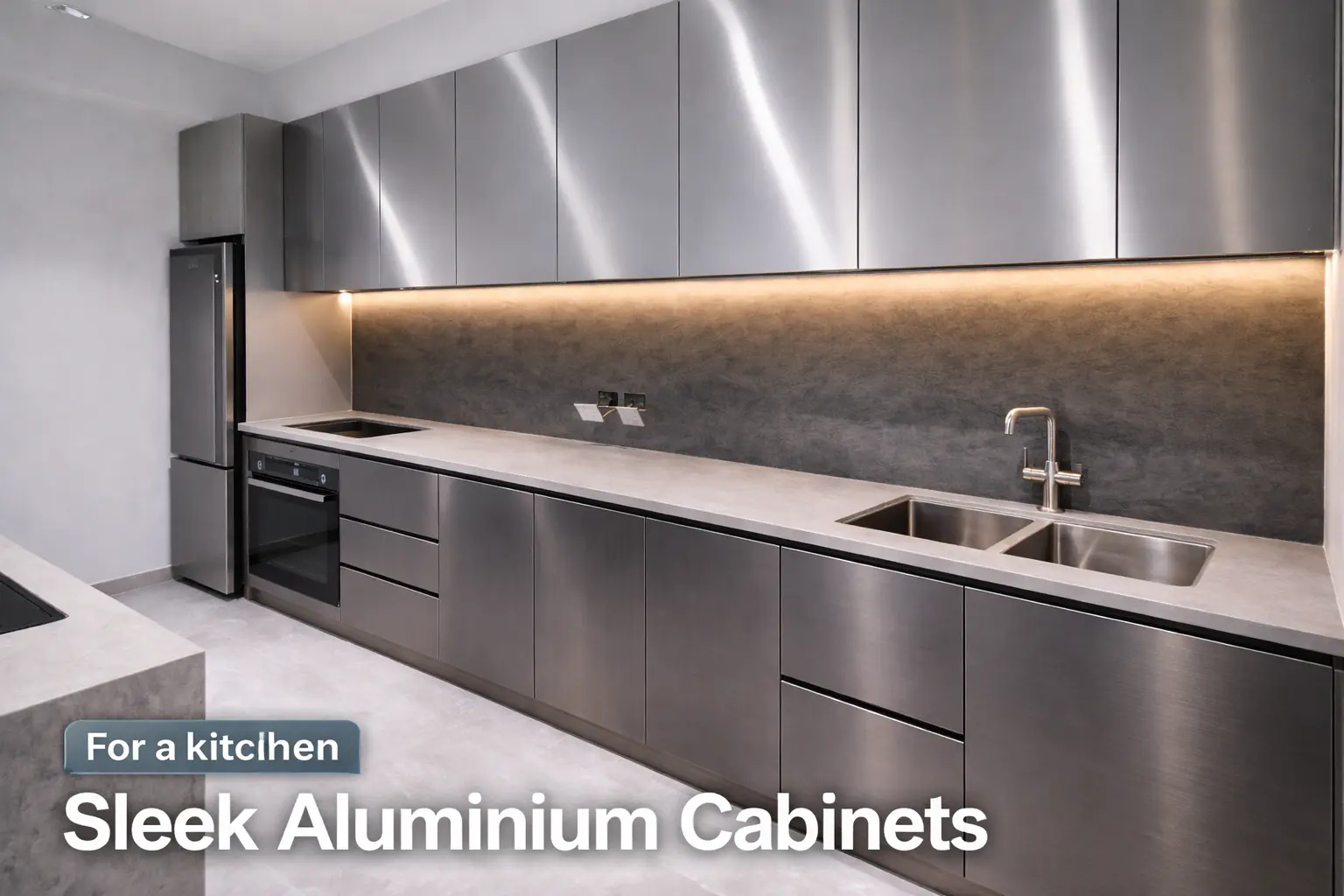
Explore our range of custom aluminium cabinets designed for long-term durability and modern aesthetics in kitchen and living room designs.
Feature | Aluminium Sheets | Aluminium Composite Panels (ACP) |
Structure | Solid aluminium | Aluminium layers + internal core (e.g. PE, FR) |
Flexibility | High – suitable for bending/forming | Medium – designed for flat, rigid applications |
Fire Resistance | Depends on alloy and treatment | Depends on core material (PE = flammable; FR = better) |
Typical Uses | Structural work, fabrication, enclosures | Cladding, signage, decorative panels |
For a deeper dive into advanced composite structures, check out our guide on What is Aluminium Honeycomb Panel? a lightweight yet high-strength material commonly used in architectural and aerospace design.
Tip: Use aluminium sheets when strength, shaping, and machining are required. Use ACP for aesthetic, lightweight applications like wall cladding.
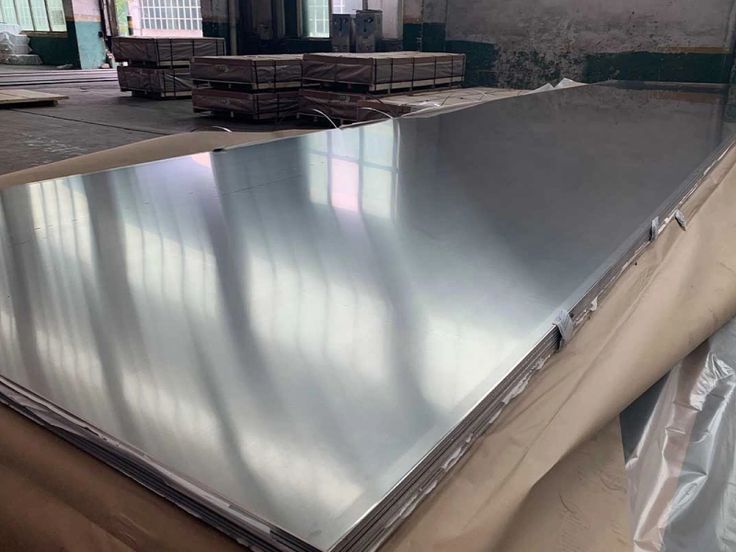
When buying aluminium sheets, consider:
If you’re unsure how to pair aluminium sheets with cabinetry, consult our buyer’s guide to choosing the best custom-made cabinet in Singapore.
Whether you’re designing sleek architectural facades, crafting industrial components, or building sustainable structures, aluminium sheets provide durability, design freedom, and environmental value. Choosing the right type helps ensure project longevity, resilience, and aesthetic appeal.
Discover why aluminium is the future for custom-made cabinets and how it supports modern, sustainable interior design.
Aluminium for cabinetry, doors, or full kitchens? We do it all. Get a FREE design consultation now »
Aluminium sheets are exceptionally versatile and widely utilized across industries for their lightweight and corrosion-resistant properties: Construction: Used in roofing, cladding, siding, facades, gutters, and architectural elements. Transportation: Ideal for automotive panels, aerospace skins, and structural supports due to their high strength-to-weight ratio. Packaging: Commonly found in beverage cans, foils, and food containers. Consumer Goods: Used in signage, appliances, furniture, kitchen backsplashes, and decorative panels. Their adaptability, recyclability, and strength make aluminium sheets a preferred material for both industrial and residential applications.
The weight of aluminium depends on its volume: Weight (kg) = Length × Width × Thickness × 2,700 (Use meters for all dimensions.) For example, a 1m x 1m x 0.005m (5mm thick) aluminium sheet weighs roughly 13.5 kg. This high strength-to-weight ratio makes aluminium ideal for lightweight, high-performance designs.
A 44mm (4.4 cm) thick aluminium sheet is well beyond typical sheet dimensions (which range from 0.5mm to 6mm) and enters the territory of industrial-grade aluminium plate. It provides excellent rigidity and load-bearing strength, making it suitable for: Machine bases and structural frames Aerospace and marine bulkheads Industrial platforms and tooling fixtures This thickness is rarely used in everyday fabrication but is ideal for high-stress environments.
The thinnest commercially produced aluminium used as foil can reach 0.006mm. However, for aluminium sheets used in construction or fabrication, the practical starting thickness is: 0.2mm to 0.5mm for lightweight applications Above 6mm is categorized as aluminium plate The selected thickness depends on the mechanical load, formability, and end-use environment.
Aluminium does not rust, as rust specifically affects iron and steel. Instead, when aluminium is exposed to oxygen and moisture, it forms a thin, stable aluminium oxide layer. This oxide layer: Protects the metal from further corrosion Doesn’t flake or degrade like rust Self-repairs if damaged, preserving the material’s integrity This makes aluminium ideal for outdoor, marine, and humid environments.
Location: 39 Woodlands Cl, #05-21, Singapore 737856
Phone: +65 9615 9273
Email: marketing@tse7en.com
Website: https://www.tse7en.com
Follow Us on Social Media:
Speak to a professional now and get personalized consultation and guidance for your next renovation. Work with a team you can trust!
Home Blog When choosing between aluminium profile and panel kitchen cabinets, profile designs use an extruded aluminium frame with an infill (glass, acrylic, or compact...