Humidity is one of the most overlooked factors when planning a kitchen, especially in tropical regions. In many humid countries, moisture is present in the air year-round, even when kitchens appear dry on the surface. Over time, this constant exposure can quietly affect cabinet performance, structure, and hygiene.
This is where aluminium kitchen cabinets in humid climates consistently outperform other cabinet materials. Their moisture resistance at the material level makes them especially suitable for long-term kitchen use in high-humidity environments.
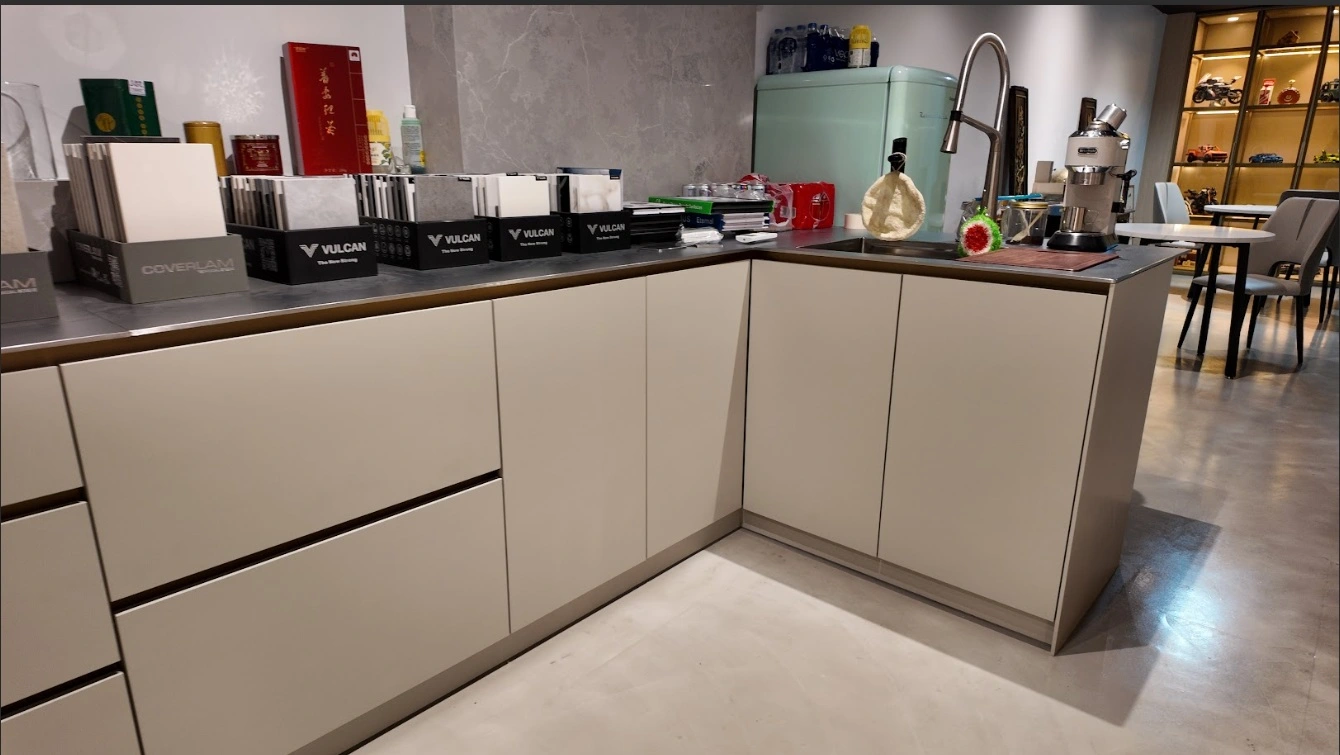
Unlike sudden water damage from leaks or spills, humidity works silently and gradually. Cabinets exposed to humid air do not fail immediately. Instead, they undergo slow, cumulative deterioration that often goes unnoticed until performance issues become apparent.
In humid environments, moisture is constantly present in the air. Over time, this moisture interacts with cabinet materials, especially at seams, joints, and enclosed interior spaces. Even when surfaces appear dry, internal exposure continues, gradually affecting cabinet performance.
In humid countries, prolonged exposure to moisture can result in:
These changes often occur without any visible warning in the early stages. As a result, homeowners may assume the issue is due to installation or usage, when the root cause is actually how the cabinet material responds to constant humidity.
It is important to note that these issues are not always caused by poor workmanship. In many cases, they stem from the natural behaviour of certain materials when exposed to sustained moisture. Materials that absorb humidity tend to deteriorate faster, regardless of how well the cabinets were designed or installed.
This is why aluminium kitchen cabinets are often chosen in humid climates for long-term reliability. Aluminium does not absorb moisture from the air, allowing it to maintain structural stability and performance even under continuous humid conditions.
Kitchen design plays a vital role in how a space looks and feels, but material choice determines how the kitchen performs over time. In humid environments, even the most visually appealing cabinet design can fail prematurely if the material is not suited to constant moisture exposure.
Humidity places ongoing stress on cabinet materials that is not immediately visible. Over time, moisture in the air interacts with cabinet surfaces, joints, and internal structures. Materials that absorb moisture may expand, weaken at connection points, or lose alignment even when the cabinet layout itself is well planned.
In humid regions, cabinet durability is influenced less by appearance and more by how the material responds to environmental conditions, including:
This is why two kitchens with similar designs can perform very differently after a few years of use. The difference often lies in how the cabinet material behaves under sustained humidity rather than in the layout or finish.
Experienced professionals understand that material behaviour must be evaluated early during kitchen renovation planning, not treated as a final design choice. Selecting a material that is compatible with humid conditions helps reduce long-term issues such as warping, odours, and misaligned cabinet doors, which are costly and disruptive to fix later.
👉 Learn more about key considerations during the kitchen renovation process here:
https://www.tse7en.com/kitchen-renovation/
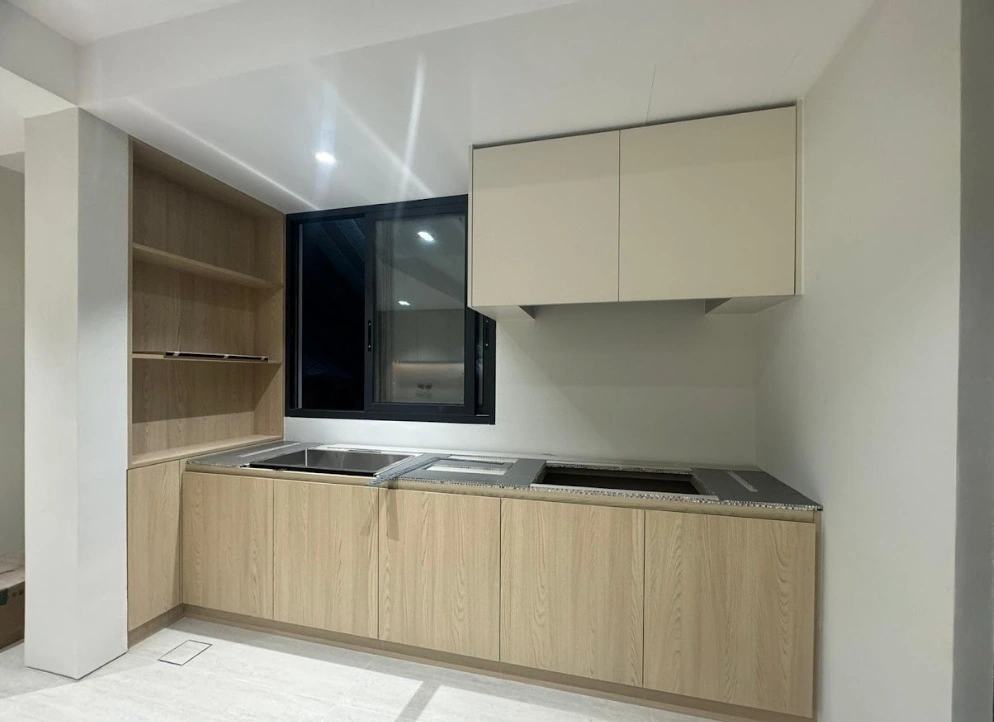
Many cabinet systems rely heavily on surface coatings or sealants to slow down moisture damage. While these finishes can delay deterioration, they do not entirely prevent moisture from entering through joints, edges, screw points, or areas of natural wear.
Once moisture penetrates porous materials, it can become trapped, causing gradual internal damage that is difficult to reverse.
Aluminium differs because moisture resistance is inherent to the material itself, not dependent on surface protection alone. Even if external finishes experience wear over time, the aluminium core remains unaffected by humidity. This provides a level of performance consistency that surface-dependent materials cannot match.
Because of this, aluminium kitchen cabinets in humid climates offer more predictable and durable performance, particularly in kitchens where:
For homeowners seeking a deeper understanding of how cabinets are designed to resist moisture in demanding environments, refer to this guide on waterproof cabinet construction:
👉 https://www.tse7en.com/waterproof-aluminium-kitchen-cabinets/
One of the most common long-term complaints in humid kitchens is cabinet misalignment. Over time, moisture-absorbing materials tend to weaken internally. This gradual degradation often results in doors that no longer sit evenly, drawers that stick or scrape, and gaps that become more noticeable as the cabinet structure shifts.
Moisture-sensitive materials are especially vulnerable at joints and load-bearing areas. Repeated exposure to humidity can reduce their structural integrity, causing stress points to loosen and alignment to deteriorate, sometimes within just a few years of use.
In contrast, aluminium kitchen cabinets in humid climates are designed to remain structurally stable even under constant moisture exposure. Aluminium does not swell, shrink, or soften when exposed to humid air, allowing the cabinet framework to maintain its original form.
As a result, aluminium cabinets consistently maintain:
That said, material performance must be supported by correct execution. Even the most moisture-resistant materials require a precise cabinet installation process, particularly in environments where humidity places ongoing stress on structural tolerances.
👉 Learn more about proper installation standards here:
https://www.tse7en.com/kitchen-cabinet-installation-process-singapore/
Humidity affects more than cabinet structure it also affects hygiene and comfort. In humid kitchens, moisture can become trapped in cabinet interiors, creating conditions that allow unpleasant odours to develop and persist.
Porous materials tend to absorb moisture from the air. Once moisture is retained within the cabinet body, odours from cooking, cleaning products, or trapped air can linger and become difficult to eliminate, even with regular cleaning.
Because aluminium does not absorb moisture:
This is another reason aluminium kitchen cabinets are preferred in humid climates, particularly for kitchens with frequent cooking, where steam, heat, and moisture are introduced daily.
Regular cleaning, combined with proper cabinet maintenance, helps prevent moisture-related issues and keeps cabinet interiors hygienic over time.
👉 Maintenance guidance is available here:
https://www.tse7en.com/aluminium-kitchen-cabinet-maintenance-guide/
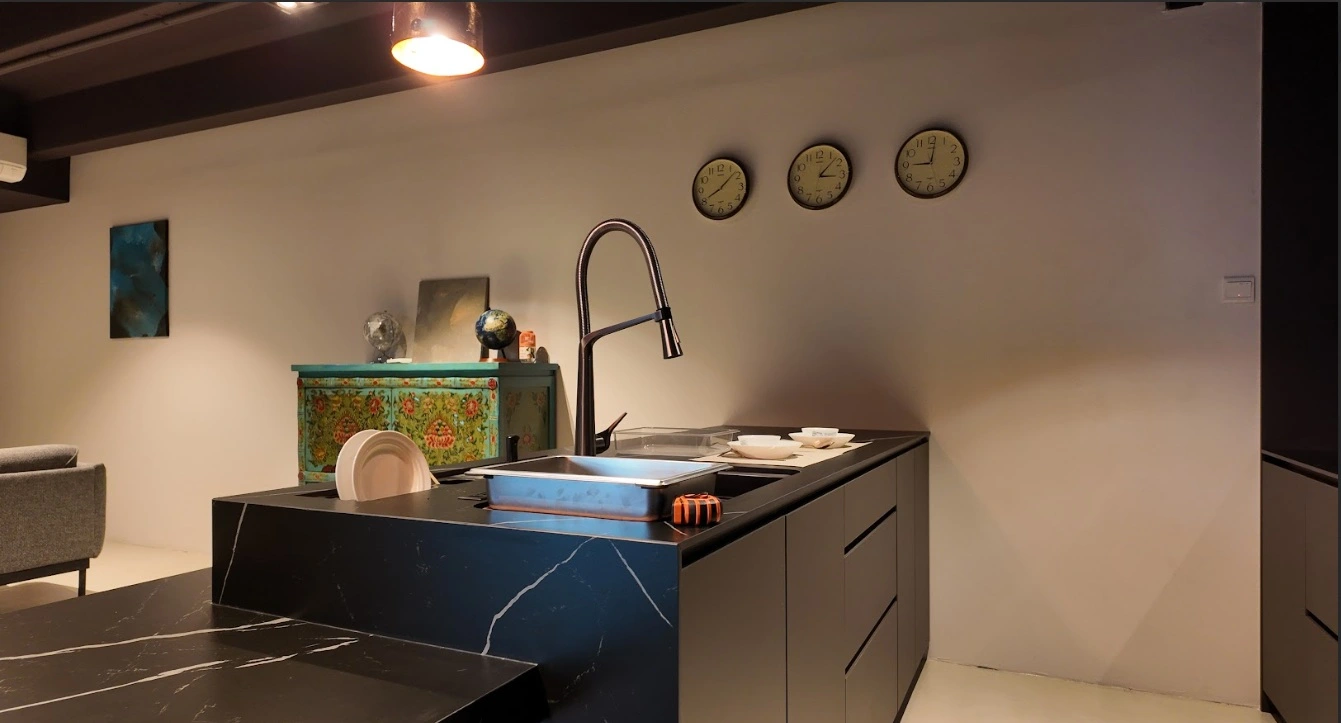
Homeowners in humid countries often expect kitchen cabinets to last well beyond the first few years of installation. In moisture-heavy environments, however, many cabinet systems begin to show signs of deterioration far earlier than anticipated. This is where aluminium kitchen cabinets in humid climates consistently demonstrate their long-term value.
Because aluminium does not absorb moisture or weaken internally over time, it maintains its structural integrity even after years of daily exposure to humidity, steam, and heat. Unlike moisture-sensitive materials that degrade over time, aluminium cabinets remain stable and predictable in performance.
Over extended periods of use, aluminium cabinets typically exhibit:
However, material choice alone is not enough to guarantee longevity. Long-term performance also depends on professional cabinet workmanship, including proper fabrication, accurate measurements, and careful installation. High-quality workmanship ensures that the material’s natural advantages are fully realised throughout its lifespan.
👉 Learn more about experienced cabinet makers here:
https://www.tse7en.com/cabinet-maker/
In dry or seasonal climates, many cabinet materials can perform adequately for extended periods. In humid countries, however, constant moisture exposure places ongoing stress on cabinet materials, magnifying weaknesses that may not be apparent at installation.
This is why aluminium kitchen cabinets in humid climates offer a clear advantage in regions where:
Under these conditions, moisture-absorbing materials tend to deteriorate faster, leading to warping, odours, and structural instability. Aluminium’s moisture resistance helps it maintain performance when other materials struggle.
By choosing a material that naturally resists humidity, homeowners reduce:
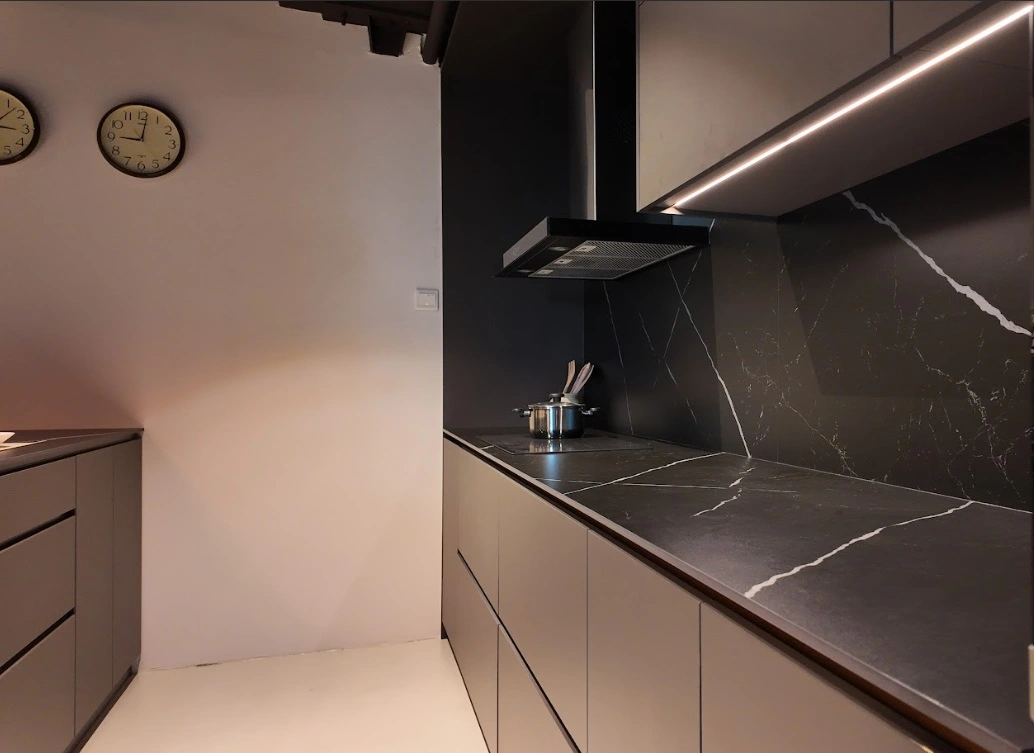
Singapore kitchens are exposed to some of the most demanding conditions for cabinetry. High humidity, frequent cooking, and limited airflow combine to place continuous stress on cabinet materials.
For this reason, many homeowners opt for aluminium kitchen cabinets in humid climates, particularly in HDB homes where durability, hygiene, and space efficiency are essential. Daily cooking introduces steam and heat, while enclosed layouts can trap moisture conditions that aluminium is well equipped to handle.
Aluminium cabinets are especially suitable for Singapore homes because they:
👉 Learn more about aluminium cabinet solutions for HDB homes here:
https://www.tse7en.com/hdb-kitchen-renovation-aluminium-cabinet-singapore/
Selecting kitchen cabinets in humid countries should go beyond surface appearance or short-term trends. While finishes and layouts influence aesthetics, material behaviour under constant moisture exposure determines long-term satisfaction.
Understanding how materials respond to humidity allows homeowners to make decisions that prioritise durability, hygiene, and ease of maintenance. By choosing aluminium kitchen cabinets in humid climates, homeowners significantly reduce the risk of common issues such as:
In humid environments, smart cabinet decisions are not just about visual appeal; they are about selecting materials that can withstand the realities of daily use over many years.
Humidity is a common challenge in tropical and humid regions, and kitchen cabinets must withstand constant exposure to moisture over many years. Unlike short-term water contact, humidity continuously stresses cabinet materials, gradually affecting their structure, alignment, and hygiene. This makes material performance far more critical than appearance alone.
The non-porous structure, long-term stability, and inherent moisture resistance of aluminium make it especially suitable for these environments. Because aluminium does not absorb moisture, it remains structurally stable, resists odours, and maintains consistent performance even in kitchens exposed to daily steam and heat.
For homeowners who prioritise durability, hygiene, and long-term value, aluminium kitchen cabinets in humid climates offer a level of reliability that moisture-sensitive materials struggle to match. Rather than addressing problems after they appear, aluminium allows homeowners to prevent common humidity-related issues before they begin.
In humid countries, choosing the right cabinet material is not just a matter of preference; it is a practical, performance-driven decision. By selecting aluminium kitchen cabinets for humid climates, homeowners invest in a solution designed to withstand environmental conditions, daily use, and the passage of time.
In humid climates, the biggest issue with cabinets is moisture in the air, not just spills or leaks. Aluminium doesn’t absorb that moisture, so it stays stable over time. That’s why aluminium kitchen cabinets are often chosen in places like Singapore. At TSe7en Alucraft, this material advantage is one of the main reasons aluminium is recommended for long-term kitchen use in humid homes.
No, aluminium kitchen cabinets don’t warp or swell in high humidity. Unlike moisture-sensitive materials, aluminium keeps its shape even with daily steam and temperature changes. This is especially important in kitchens that are used often. TSe7en Alucraft designs aluminium cabinets specifically to maintain alignment and smooth operation over the years.
Humidity causes slow damage. Moisture in the air can weaken cabinet joints, affect alignment, and trap dampness inside cabinets. These problems usually appear after a few years, not immediately. Choosing aluminium kitchen cabinets helps avoid many of these issues because the material doesn’t absorb moisture in the first place.
Yes, aluminium kitchen cabinets are a practical long-term option in tropical countries. Many homeowners choose them because they stay stable, don’t hold moisture, and require less corrective work over time. TSe7en Alucraft focuses on aluminium cabinet systems built to perform well in humid environments for 10–15 years or more.
They do. In humid kitchens, odours often come from moisture trapped inside cabinet materials. Since aluminium doesn’t absorb moisture, cabinet interiors stay drier and easier to clean. This helps reduce musty smells, especially in kitchens with frequent cooking. Proper design and installation, like what TSe7en Alucraft emphasises, also play a big role in keeping cabinets fresh over time.
Location: 39 Woodlands Cl, #05-21, Singapore 737856
Phone: +65 9615 9273
Email: marketing@tse7en.com
Website: https://www.tse7en.com
Follow Us on Social Media:
Speak to a professional now and get personalized consultation and guidance for your next renovation. Work with a team you can trust!
Home Blog Aluminium kitchen cabinets price in Singapore (2026): quick reality check Cabinet quotes vary because pricing depends on layout length, tall/full-height units, finish system,...