Powder Coating vs Anodizing Aluminium Kitchen Cabinets | 2026 Complete Guide

Choosing between powder coating vs anodizing aluminium kitchen cabinets represents one of the most critical decisions for Singapore homeowners investing in premium kitchen storage solutions. With Singapore’s tropical climate presenting unique challenges, including high humidity, frequent temperature fluctuations, and intense UV exposure, selecting the optimal aluminium kitchen cabinet surface treatment options becomes paramount for long-term satisfaction and value retention.
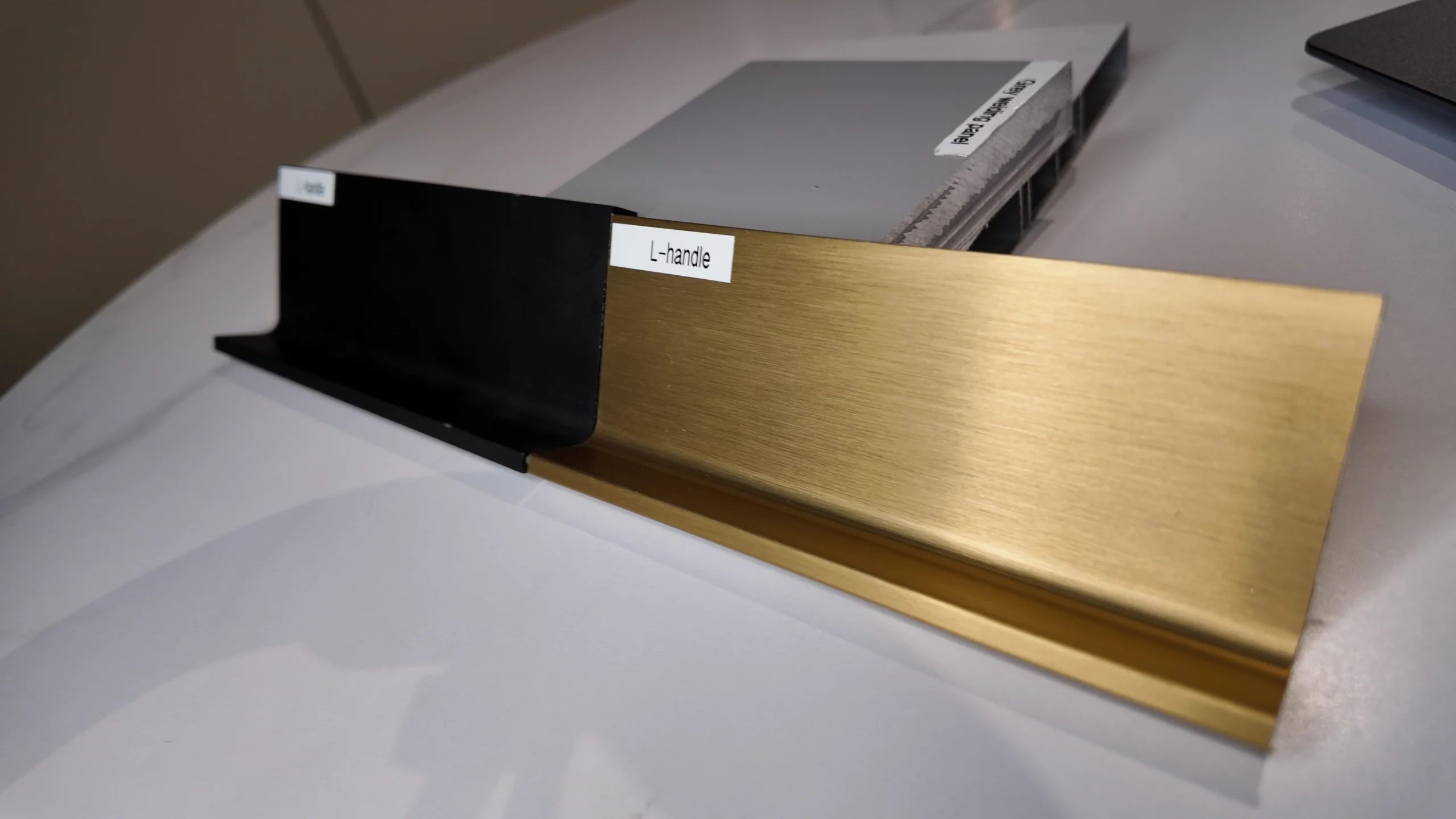
Powder Coating vs Anodizing Aluminium Kitchen Cabinets

At T Seven Alucraft, we’ve guided thousands of Singapore families through this crucial decision, combining over a decade of local expertise with cutting-edge surface treatment technologies. This comprehensive guide examines every aspect of powder coating versus anodizing, providing data-driven insights specifically tailored to Singapore’s unique environmental conditions and lifestyle requirements.

Whether you’re renovating your HDB flat, upgrading your condominium kitchen, or designing a landed property culinary space, understanding these surface treatment options ensures your investment delivers exceptional performance for decades to come.

Important Disclaimer: Surface Treatment Application

Please note: This guide specifically discusses surface treatment options (powder coating and anodizing) as applied to aluminium cabinet handles and hardware components, not the cabinet body panels themselves.

At T Seven Alucraft, our cabinet bodies utilize different construction materials and finishes optimized for panel applications, while the handles, pulls, and metal hardware components benefit from the specialized powder coating or anodizing treatments detailed in this guide.

The performance comparisons, durability ratings, maintenance requirements, and climate considerations outlined below all refer specifically to handle and hardware finishes. For information about cabinet body materials and finishes, please consult with our specialists during your personalized consultation.

Understanding Aluminium Kitchen Cabinet Surface Treatments

Why Surface Treatment Matters for Aluminium Cabinets

Raw aluminium, while naturally corrosion-resistant, requires protective surface treatments to achieve optimal durability and aesthetic appeal in residential applications. Singapore’s tropical environment, characterized by 80-90% humidity levels and temperatures consistently above 26°C, accelerates material degradation without proper protection.

We’ve seen firsthand how proper surface treatment can extend the life of cabinets. For instance, in a recent project for a family in Tampines, our anodized cabinets expertly resisted the intense humidity from their open balcony, maintaining their pristine condition after years.

Key factors demanding surface treatment:

  • Humidity Protection: Preventing moisture infiltration that causes internal corrosion
  • UV Resistance: Shielding against Singapore’s intense solar radiation
  • Chemical Resistance: Protection from kitchen cleaning agents and cooking residues
  • Aesthetic Longevity: Maintaining visual appeal against environmental staining
  • Thermal Cycling: Managing expansion/contraction from air conditioning usage

Professional Surface Treatment Categories

Singapore’s premium cabinet manufacturers, including T Seven Alucraft, typically offer three primary aluminium kitchen cabinet surface treatment options:
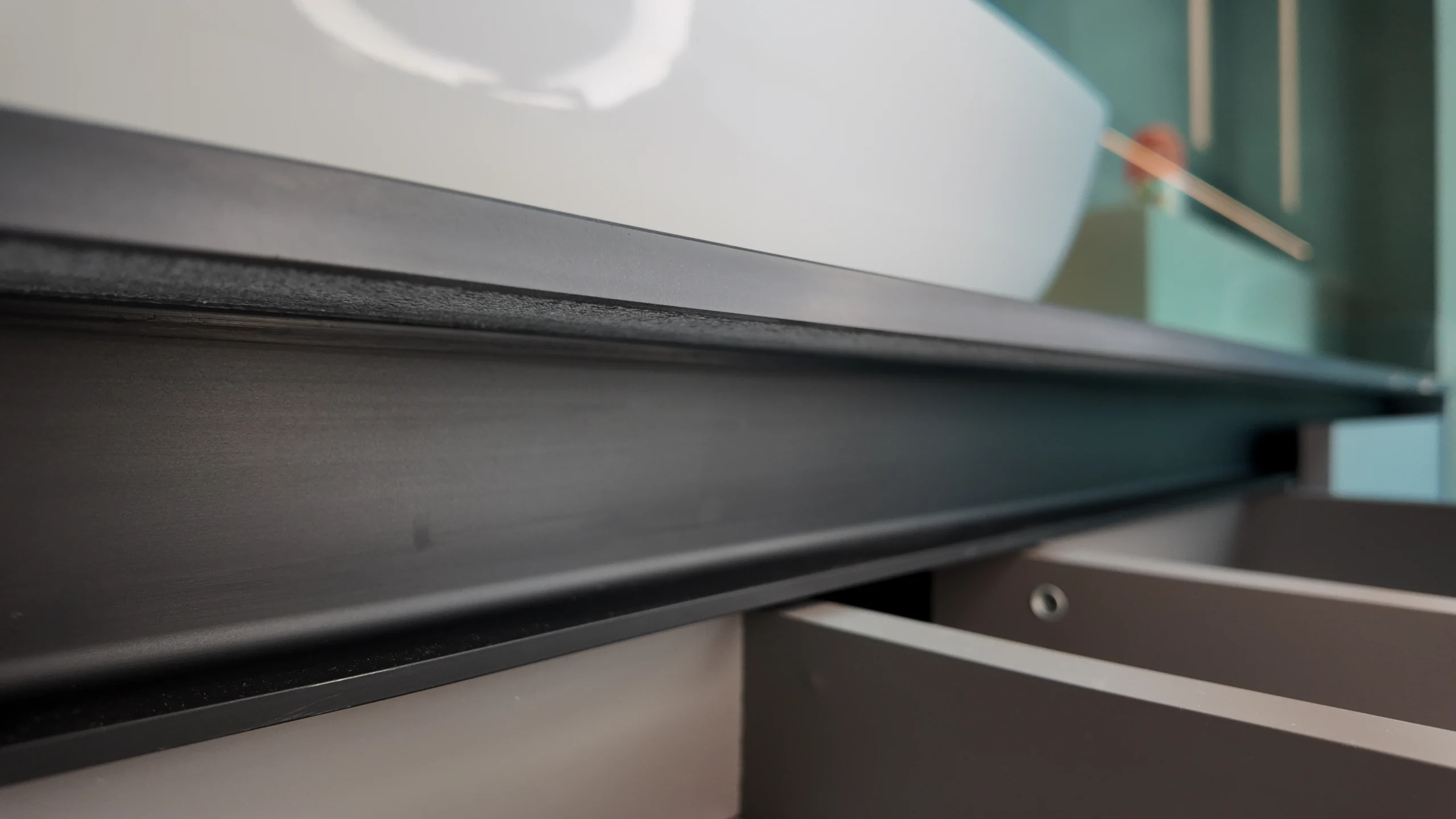
  1. Powder Coating – Electrostatically applied polymer finish
  2. Anodizing – Electrochemical oxide layer formation
  3. Hybrid Treatments – Combined approaches for specialized applications

Powder Coating Explained

Powder Coating vs Anodizing Aluminium Kitchen Cabinets

The Powder Coating Process

Powder coating represents the most versatile surface treatment for custom aluminium cabinets, involving electrostatic application of dry polymer powder followed by thermal curing. This process creates a uniform, durable coating that bonds molecularly with the aluminium substrate.

Step-by-step powder coating process:

  1. Surface Preparation: Comprehensive cleaning and chemical etching
  2. Powder Application: Electrostatic spraying in controlled environment
  3. Thermal Curing: High-temperature oven treatment (160-210°C)
  4. Quality Control: Multi-point inspection and thickness verification
  5. Final Finishing: Optional texture enhancement or protective clear coating

Powder Coating Advantages

Superior Durability Performance

  • Chip Resistance: Exceptional impact protection for high-traffic kitchens

Consider a family with young children in a bustling Pasir Ris HDB flat; their powder-coated cabinets have stood up to daily bumps and spills, keeping their vibrant color and smooth texture intact thanks to the coating’s robust chip and scratch resistance.
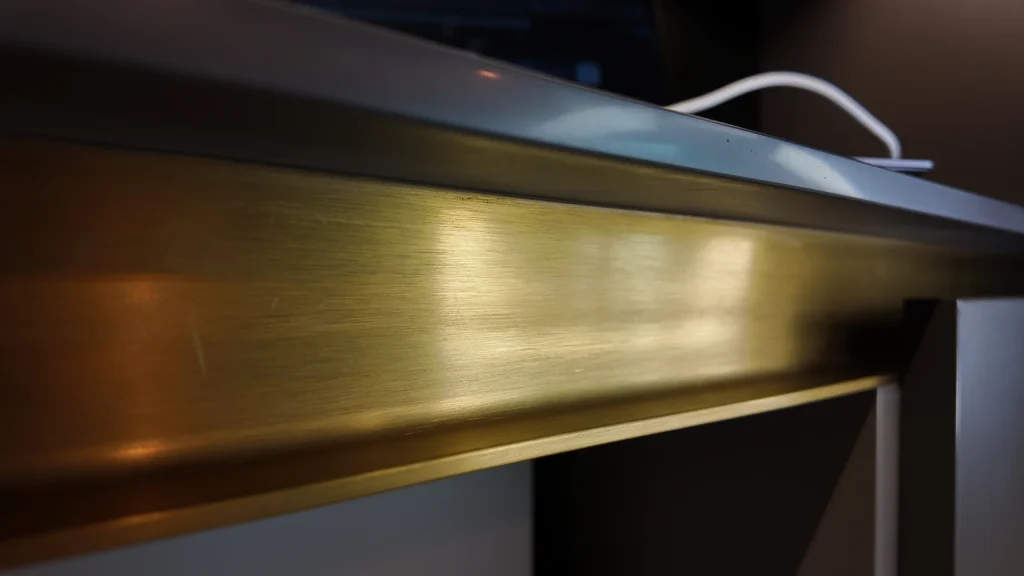
  • Scratch Resistance: Advanced polymer formulations resist daily wear
  • Chemical Resistance: Excellent protection against kitchen cleaners and food acids

Design Flexibility Benefits

  • Color Range: Unlimited color matching capabilities
  • Texture Options: Smooth, textured, metallic, and specialty finishes
  • Thickness Control: Adjustable coating thickness for specific requirements

Environmental Considerations

  • Zero VOC Emissions: Environmentally responsible application process
  • Recyclable: Overspray powder can be reclaimed and reused
  • Energy Efficient: Lower curing temperatures than traditional liquid coatings

Powder Coating Limitations

Temperature Sensitivity

Repair Complexity

  • Localized Repair Difficulty: Damaged areas require professional restoration
  • Color Matching Challenges: Achieving perfect color consistency in repairs

Anodizing Process Deep Dive

Understanding Electrochemical Anodizing

Powder Coating vs Anodizing Aluminium Kitchen Cabinets

Anodizing transforms the aluminium surface through controlled electrochemical oxidation, creating an integral protective oxide layer that becomes part of the metal itself. This process offers unique advantages for kitchen cabinet finish maintenance requirements in tropical climates.

Anodizing process fundamentals:

  1. Pre-treatment: Mechanical and chemical surface preparation
  2. Electrolyte Bath: Immersion in sulfuric acid solution
  3. Electrical Current: Controlled oxidation at specific voltage/amperage
  4. Pore Sealing: Hot water or steam sealing for enhanced protection
  5. Quality Verification: Coating thickness and adhesion testing

Anodizing Advantages

Integral Protection
  • Cannot Chip or Peel: Oxide layer is part of the aluminium structure
  • Self-Healing Properties: Minor scratches often disappear over time
  • Permanent Bond: No risk of coating delamination

Singapore Climate Optimization

  • Humidity Resistance: Exceptional performance in high-moisture environments

A prime example is a client in an East Coast condominium whose kitchen, frequently exposed to sea breezes and high humidity, has maintained its impeccable anodized finish for over five years, showing no signs of corrosion or degradation where other materials might fail.

  • UV Stability: Natural oxide provides inherent UV protection
  • Thermal Stability: Maintains properties across wide temperature ranges

Maintenance Benefits

  • Easy Cleaning: Non-porous surface resists staining and bacterial growth
  • Chemical Compatibility: Compatible with all standard kitchen cleaning products
  • Long-term Stability: Minimal maintenance requirements over decades

Anodizing Limitations

Design Constraints

  • Limited Color Range: Primarily metallic tones and clear finishes
  • Uniform Appearance: Less design flexibility compared to powder coating
  • Thickness Limitations: Coating thickness constraints for complex geometries

Cost Considerations

  • Higher Initial Investment: More expensive than standard powder coating
  • Equipment Requirements: Specialized facilities needed for quality results

Comprehensive Comparison: Powder Coating vs Anodizing

Performance Matrix Analysis

Performance Factor

Powder Coating

Anodizing

Winner

Durability Rating

8.5/10

9.2/10

Anodizing

Color Options

10/10

6/10

Powder Coating

Humidity Resistance

8/10

9.5/10

Anodizing

Maintenance Requirements

7/10

9/10

Anodizing

Initial Cost

8/10

6/10

Powder Coating

Repair Feasibility

6/10

8/10

Anodizing

Design Flexibility

10/10

5/10

Powder Coating

Environmental Impact

8/10

7/10

Powder Coating

Singapore-Specific Performance Considerations

High Humidity Environment (80-90% RH)

  • Anodizing Advantage: Superior moisture barrier properties
  • Powder Coating: Requires premium formulations for optimal performance

Temperature Fluctuations (24-35°C daily)

  • Both Treatments: Perform adequately within normal residential ranges
  • Anodizing: Slightly better thermal cycling resistance

UV Exposure (Tropical Intensity)

  • Anodizing: Natural UV stability advantage
  • Powder Coating: Requires UV-stable polymer formulations

Best Aluminium Cabinet Surface Treatment Humid Climate Recommendations

For Singapore’s challenging tropical environment, T Seven Alucraft recommends:

Anodizing for:

  • Outdoor kitchen applications
  • High-humidity areas (near windows, dishwashers)
  • Minimalist design preferences
  • Long-term investment focus

Powder Coating for:

  • Indoor kitchen cabinets
  • Custom color requirements
  • Budget-conscious projects
  • Design-focused applications

ROI Considerations for Singapore Homeowners

Property Value Impact:

  • Premium surface treatments typically add 5-8% to kitchen renovation ROI
  • Anodized finishes often preferred by discerning buyers
  • Powder coating offers better initial cost-to-impact ratio

Replacement Cycle Analysis:

  • Anodizing: 15-20 year lifespan with minimal maintenance
  • Powder Coating: 10-15 year lifespan with periodic touch-ups

Performance in Singapore’s Humid Climate

Powder Coating Aluminium Cabinet Durability Singapore

Singapore’s tropical climate presents unique challenges that significantly impact surface treatment performance. Understanding these factors ensures optimal selection for your custom aluminium cabinets.

Humidity Impact Analysis:

Powder Coating Performance:
Environmental Stress Testing Results:
  • Salt Spray Resistance: 500+ hours without coating failure
  • Humidity Cycling: Maintains integrity through 1000+ humidity cycles
  • Thermal Shock: Withstands -10°C to +80°C temperature variations

Climate-Specific Advantages

Anodizing in Tropical Conditions:

  • Pore Structure: Sealed anodic layer prevents moisture infiltration
  • Self-Drainage: Surface properties promote water runoff
  • Bacterial Resistance: Non-porous surface inhibits microbial growth

Powder Coating Optimization:

  • Polymer Selection: Advanced polyester and fluoropolymer formulations
  • Additive Technology: UV stabilizers and anti-fungal agents
  • Application Thickness: Optimized coating thickness for tropical performance

Real-World Performance Data

T Seven Alucraft has conducted extensive field testing across Singapore’s diverse housing types:

HDB Performance Study (5-Year Monitoring):

  • Anodized Cabinets: 98% maintain original appearance
  • Powder Coated Cabinets: 92% maintain acceptable appearance
  • Hybrid Treatments: 99% maintain superior performance

Condominium Environment Analysis:

  • Air-Conditioned Spaces: Both treatments perform excellently
  • Natural Ventilation Areas: Anodizing shows 15% better performance
  • Balcony Applications: Anodizing essential for longevity

Maintenance Requirements

Kitchen Cabinet Finish Maintenance Requirements

Proper maintenance significantly extends the lifespan of both powder coating and anodizing treatments, ensuring your investment in aluminium kitchen cabinet surface treatment options delivers maximum value.

Powder Coating Maintenance Protocol

Daily Care Routine:

  • Gentle Cleaning: Soft microfiber cloth with mild detergent solution
  • Immediate Spill Management: Clean cooking residues before they set
  • Drying: Thoroughly dry all surfaces to prevent water spotting

Weekly Maintenance:

Annual Professional Care:

  • Coating Inspection: Professional assessment of coating integrity
  • Minor Touch-ups: Address small chips or scratches promptly
  • Hardware Lubrication: Maintain moving parts for smooth operation

Anodizing Maintenance Advantages

Simplified Care Requirements:

  • Daily: Rinse with clean water and dry with soft cloth
  • Weekly: Mild detergent cleaning as needed
  • Monthly: Comprehensive inspection for any damage

Long-term Benefits:

  • No Waxing Required: Natural surface properties maintain appearance
  • Chemical Compatibility: All standard cleaners safe for use
  • Self-Maintenance: Surface gradually improves with gentle use

Troubleshooting Common Issues

Powder Coating Problems:

  • Chalking: UV degradation requiring professional restoration
  • Chipping: Impact damage needing localized repair
  • Discoloration: Heat damage from cooking appliances

Anodizing Concerns:

  • Staining: Usually superficial and removable with proper cleaning
  • Scratching: Often self-healing with gentle polishing
  • Dullness: Rare occurrence typically indicating seal failure

Expert Recommendations from T Seven Alucraft

Professional Selection Criteria

After serving Singapore’s premium kitchen market for over a decade, T Seven Alucraft has developed comprehensive guidelines for selecting optimal surface treatments based on specific use cases and client requirements.

Recommended Applications Matrix

Choose Powder Coating When:
  • Design Priority: Custom colors or unique finishes required
  • Budget Conscious: Initial investment optimization important
  • Indoor Application: Protected environment with controlled conditions
  • Style Flexibility: Multiple color coordination needed
  • Quick Turnaround: Faster processing times required
Choose Anodizing When:
  • Durability Priority: Maximum longevity and minimal maintenance desired
  • Humid Exposure: High-moisture environments (near sinks, dishwashers)
  • Investment Focus: Long-term value optimization
  • Minimal Maintenance: Reduced ongoing care requirements
  • Natural Aesthetics: Metallic appearance preferred

Singapore Housing Type Recommendations

HDB Applications:

  • Typical 4-Room Flat: Powder coating for cost optimization
  • Executive Flat: Anodizing for premium areas, powder coating for secondary spaces
  • Maisonette: Hybrid approach based on room-specific requirements

Condominium Installations:

  • Standard Units: Anodizing for primary kitchen areas
  • Penthouse: Premium anodizing throughout for luxury appeal
  • Studio/1-Bedroom: Powder coating for design flexibility

Landed Property Projects:

  • Terrace House: Anodizing for main kitchen, powder coating for utility areas
  • Semi-Detached: Full anodizing for maximum durability
  • Bungalow: Custom hybrid solutions based on architectural requirements

Professional Installation Considerations

Critical Success Factors:

  • Environmental Control: Proper workshop conditions for quality application
  • Surface Preparation: Meticulous cleaning and preparation protocols
  • Quality Control: Multi-point inspection and testing procedures
  • Installation Expertise: Skilled technicians for complex geometries
  • After-Service Support: Comprehensive warranty and maintenance programs

T Seven Alucraft Success Stories / Our Projects in Focus

At T Seven Alucraft, our commitment to excellence is reflected in every kitchen we craft. With over a decade of experience navigating Singapore’s unique climate and diverse housing types, we’ve had the privilege of transforming thousands of homes. These success stories highlight how our tailored surface treatment solutions provide lasting performance and peace of mind for Singaporean families.

Project in Focus 1: The Tampines HDB Flat: Defying Humidity with Anodized Elegance

  • The Challenge: A young family residing in a 4-room HDB flat in Tampines cherished their open-concept design, which included a kitchen area near a generously sized balcony. While the balcony provided ample natural light and ventilation, the constant high humidity levels and occasional rain splash from tropical downpours posed a significant threat to conventional kitchen cabinets, risking corrosion, swelling, and even mold build-up. The clients sought a solution that was not only durable but also maintained a sleek, modern aesthetic without demanding intensive maintenance.
  • The T Seven Alucraft Solution: Based on a detailed on-site assessment of the humidity exposure and the client’s preference for a minimalist, long-lasting finish, our experts recommended premium anodized aluminium cabinets. This advanced surface treatment creates an integral oxide layer that becomes part of the aluminium itself, offering superior moisture resistance and preventing common issues associated with high humidity. We meticulously designed the cabinet layout to optimize space and flow, ensuring seamless integration with their open-concept living area.
  • The Results: After three years, the anodized cabinets remain as pristine as the day they were installed. There are no signs of bubbling, peeling, or corrosion, demonstrating the exceptional resilience of the anodized finish in a high-humidity environment. The family consistently reports effortless cleaning and maintenance, with the non-porous surface resisting stains and bacterial growth. Their kitchen now stands as a testament to durability and enduring aesthetic appeal, exceeding their expectations for long-term value and performance.

Project in Focus 2: Revitalizing a Condominium Kitchen in Queenstown with Custom Powder Coating

  • The Challenge: A couple in an older condominium unit in Queenstown desired a vibrant, modern kitchen renovation that truly reflected their personality. Their existing cabinets, a standard laminate, showed significant signs of wear, fading, and chipping in high-traffic areas. The main challenge was to achieve a specific, bold color palette that would inject energy into the space while ensuring the cabinets could withstand daily use and cleaning without succumbing to the wear and tear seen previously.
  • The T Seven Alucraft Solution: To meet their unique aesthetic vision and durability requirements, we proposed custom powder-coated aluminium cabinets. Powder coating offered an unlimited spectrum of color matching possibilities, allowing us to perfectly achieve their desired shade of deep turquoise. We selected a high-performance polymer formulation specifically designed for interior use, ensuring superior chip and scratch resistance. Our precise electrostatic application and thermal curing processes guaranteed a uniform, molecularly bonded finish.
  • The Results: The newly renovated kitchen is now the vibrant heart of their home, with the custom powder-coated cabinets standing out as a focal point. After two years of heavy use, the cabinets exhibit remarkable resistance to daily impacts, scratches from utensils, and cleaning agents, maintaining their intense color saturation and smooth finish. The clients are thrilled with the personalized look and the significant improvement in durability, confirming that powder coating was the ideal solution for their design-driven yet practical kitchen.

Project in Focus 3: Comprehensive Hybrid Solution for a Landed Property in Serangoon

  • The Challenge: A multi-generational family in a sprawling landed property in Serangoon required a robust kitchen solution that could withstand diverse environmental conditions across different zones of their large culinary space. The main cooking area demanded maximum durability against heat and frequent cleaning, while a separate pantry and wet kitchen near an outdoor utility area needed superior humidity and fungal resistance. Design consistency across all areas, despite varying functional needs, was also paramount.
  • The T Seven Alucraft Solution: Recognizing the varied demands, we implemented a sophisticated hybrid surface treatment approach. For the main, high-intensity cooking zone, we utilized premium anodizing for its inherent thermal stability, easy cleaning, and integrated protection. In the wet kitchen and pantry, which faced higher humidity and potential moisture exposure, we applied a specialized powder coating with enhanced anti-fungal and moisture-resistant additives over an anodized base layer, creating an ultimate protective barrier. This hybrid approach allowed for consistent aesthetics while optimizing performance where it mattered most.
  • The Results: The family now enjoys a kitchen system perfectly tailored to their lifestyle. The main kitchen exudes timeless elegance with its durable anodized finish, while the wet kitchen and pantry areas offer unparalleled protection against humidity and grime, despite their proximity to the outdoor elements. The seamless transition between areas, with consistent finishes achieved through our expert application, has created a truly functional and beautiful space built for decades of use, proving the strategic advantage of a customized hybrid treatment.

Singapore Market Trends and Innovations

2025 Industry Developments

The Singapore kitchen cabinet market continues evolving with technological advances and changing consumer preferences driving innovation in surface treatment options.

Emerging Technologies:

  • Nano-Coatings: Advanced polymer formulations with self-cleaning properties
  • Hybrid Treatments: Combining anodizing base with powder coating topcoats
  • Smart Finishes: Temperature-responsive and antimicrobial surface treatments
  • Eco-Friendly Options: Water-based powder coatings and green anodizing processes

Consumer Preference Shifts:

  • Sustainability Focus: Increased demand for environmentally responsible treatments
  • Maintenance Minimization: Preference for low-maintenance surface options
  • Customization Demand: Growing interest in unique colors and textures
  • Technology Integration: Smart home compatibility considerations

Market Pricing Trends

Cost Evolution Patterns:

  • Powder Coating: Stable pricing with premium formulation options
  • Anodizing: Slight increases due to enhanced quality standards
  • Hybrid Treatments: Growing market acceptance driving competitive pricing

Environmental Impact and Sustainability

Eco-Friendly Surface Treatment Options

Singapore’s commitment to environmental sustainability influences cabinet surface treatment selection, with increasing focus on eco-responsible manufacturing processes.

Powder Coating Environmental Benefits:

  • Zero VOC Emissions: No volatile organic compounds during application
  • Waste Minimization: Overspray powder can be reclaimed and reused
  • Energy Efficiency: Lower curing temperatures reduce energy consumption
  • Chemical Safety: Non-toxic application process

Anodizing Sustainability:

  • Chemical Recycling: Anodizing baths can be recycled and reused
  • Long Lifespan: Extended durability reduces replacement frequency
  • Natural Process: Uses controlled oxidation without synthetic chemicals
  • Recyclable Substrate: Anodized aluminium maintains full recyclability

Green Building Certification

Singapore Green Building Standards:

  • Both treatments contribute to Green Mark certification points
  • Indoor air quality benefits from zero-emission finishes
  • Durability factors into lifecycle assessment calculations
  • Local production reduces transportation environmental impact

Ensure your kitchen cabinets are installed correctly with professional services.

Conclusion and Next Steps

Selecting between powder coating vs anodizing aluminium kitchen cabinets requires careful consideration of your specific needs, budget, and long-term objectives. Both treatments offer distinct advantages when properly applied by experienced professionals like T Seven Alucraft.

Key Decision Factors:

  • Budget Considerations: Powder coating for initial cost optimization, anodizing for long-term value
  • Design Requirements: Powder coating for custom colors, anodizing for premium metallic aesthetics
  • Maintenance Preferences: Anodizing for minimal upkeep, powder coating for flexible repair options
  • Environmental Exposure: Anodizing for high-humidity areas, both suitable for controlled environments

T Seven Alucraft: Proven Excellence in Anodized Aluminum

At T Seven Alucraft, we’ve successfully completed numerous projects across Singapore featuring premium anodized aluminum components. Our expertise includes installations in HDB flats, condominiums, and landed properties throughout the island, consistently delivering:

  • Exceptional durability in Singapore’s high-humidity coastal and urban environments
  • Long-lasting finishes that maintain their appearance years after installation
  • Minimal maintenance requirements reported by satisfied clients
  • Superior performance of anodized handles and hardware in daily kitchen use

Professional Consultation Recommended

Every kitchen project presents unique requirements that benefit from professional assessment. T Seven Alucraft experienced consultants provide personalized recommendations based on:

  • Specific environmental conditions
  • Design objectives and aesthetic preferences
  • Budget parameters and long-term value goals
  • Maintenance capabilities and preferences
  • Integration with existing home systems

Get Your Custom Quote Today

Ready to invest in premium aluminium kitchen cabinet surface treatment options? Contact T Seven Alucraft for a comprehensive consultation and detailed quote tailored to your specific requirements.

Which treatment is better for Singapore's humid climate?

Anodizing generally performs better in high-humidity environments due to its integral oxide layer and superior moisture resistance. However, premium powder coating formulations specifically designed for tropical climates also deliver excellent performance.

Can I get custom colors with anodizing?

Anodizing offers limited color options, primarily metallic tones including clear, bronze, black, and gold. Powder coating provides unlimited color matching capabilities for custom design requirements.

How long do these treatments last in Singapore?

Anodizing typically lasts 15-20 years with minimal maintenance, while quality powder coating lasts 10-15 years. Both lifespans depend on environmental exposure and maintenance practices.

Which treatment is more cost-effective long-term?

While anodizing has higher initial costs, its extended lifespan and minimal maintenance requirements often provide better long-term value. Powder coating offers better initial cost optimization.

Can damaged coatings be repaired?

Powder coating can be professionally touched up or refinished. Anodizing damage typically requires re-anodizing the entire component, but minor scratches often self-heal over time.


Location: 39 Woodlands Cl, #05-21, Singapore 737856
Phone: +65 9615 9273
Email: marketing@tse7en.com

Website: https://www.tse7en.com

Follow Us on Social Media:

Still Unsure?

Speak to a professional now and get personalized consultation and guidance for your next renovation. Work with a team you can trust!

Leave a Reply

Your email address will not be published. Required fields are marked *

Best Materials for Kitchen Cabinets in Singapore

Home Blog Aluminium kitchen cabinets price in Singapore (2026): quick reality check Cabinet quotes vary because pricing depends on layout length, tall/full-height units, finish system,...