

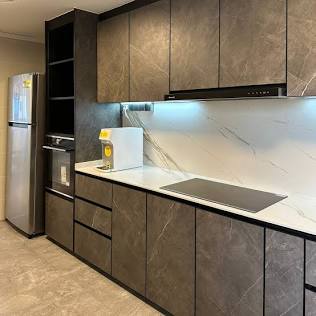

Can Aluminium Kitchen Cabinets Rust? The Truth About Corrosion, Oxidation, and Long-Term Durability
Aluminium kitchen cabinets do not rust in the traditional sense, because rust is the specific oxidation of iron or steel when exposed to moisture and oxygen. Instead, aluminium forms a thin, stable layer of aluminium oxide on its surface, which actually protects the metal from further corrosion rather than degrading it.
Key Takeaways
- Aluminium does not rust, but it can oxidise, and that oxidation layer works as a natural shield against further corrosion.
- Powder coating and anodising dramatically extend the lifespan of aluminium cabinets in Singapore’s humid climate.
- Aluminium outlasts wood and medium-density fibreboard in moisture-heavy environments like Singapore kitchens and bathrooms.
- The alloy grade you choose matters: marine-grade and architectural-grade aluminium alloys offer the strongest corrosion resistance.
- Regular cleaning with mild, non-abrasive products keeps the protective oxide layer intact and cabinets looking sharp.
- T Se7en Alucraft has over 30 years of experience crafting custom aluminium kitchen cabinets built specifically for Singapore’s tropical conditions.
Why Aluminium Does Not Rust the Same Way Steel Does
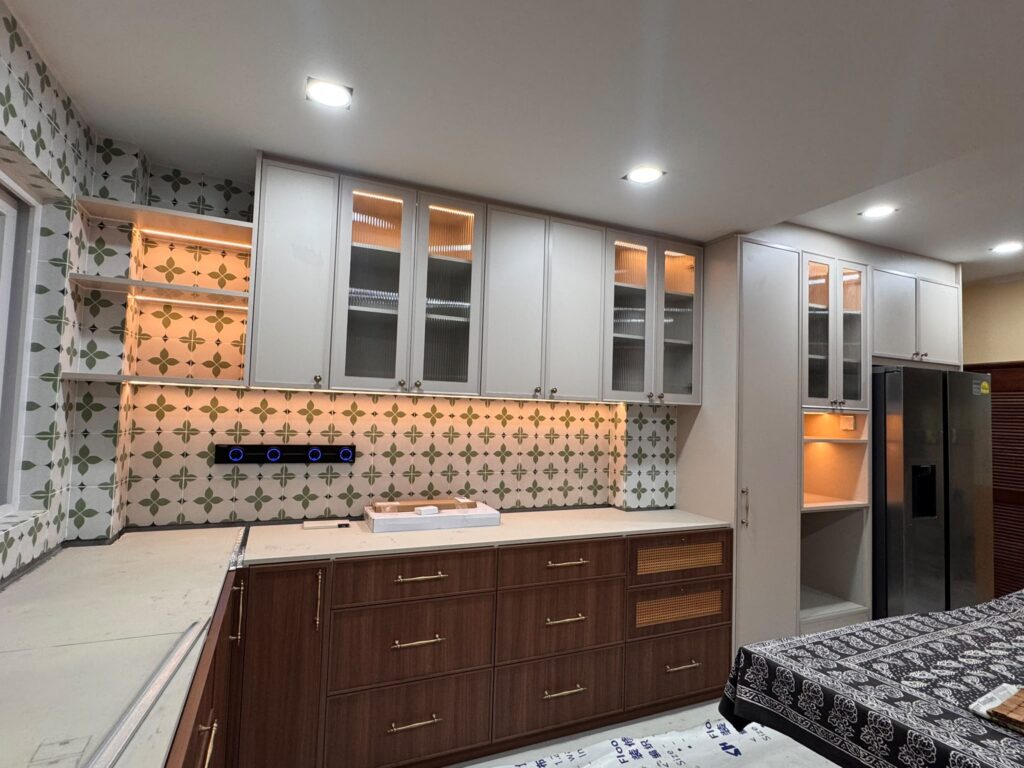
To understand why can aluminium kitchen cabinets rust is such a common question, it helps to know a little material science. Rust is chemically specific: it describes the red-brown iron oxide that forms when iron or steel reacts with water and oxygen. Aluminium contains no iron, so it cannot rust.
What aluminium does do is oxidise. When the bare metal is exposed to air, it reacts with oxygen to form aluminium oxide. Unlike rust on steel, which flakes away and exposes fresh metal to further damage, aluminium oxide forms a hard, tightly bonded layer that adheres to the surface. This layer is microscopically thin, largely invisible to the eye, and acts as a barrier preventing oxygen and moisture from penetrating deeper into the metal. Research published in the journal Materials and Corrosion (Ooi et al., 2024) examined how aluminium cabinets vs plywood performs in corrosion resistance, reinforcing the well-established position that higher aluminium content correlates with improved protective oxide performance.
This distinction is critical for Singaporean homeowners evaluating cabinet materials. Singapore’s tropical climate brings year-round high humidity, frequent cooking steam, and warm temperatures, all of which accelerate rust on steel and rot on timber. Aluminium’s oxide layer makes it inherently better suited to these conditions than either alternative.
How Singapore's Humidity Affects Aluminium Kitchen Cabinets
Singapore’s average relative humidity sits between 70% and 90% throughout the year. For kitchen cabinets positioned near a stove, sink, or window, that figure can spike even higher during cooking sessions. Moisture is the primary enemy of most cabinet materials, but aluminium handles it differently from wood or steel.
When moisture penetrates the surface finish of a wood-based cabinet such as plywood or medium-density fibreboard, it causes swelling, delamination, and eventually fungal growth. For steel, moisture drives rust, which spreads beneath the paint or powder coat and causes blistering. For aluminium, even if the surface coating is scratched or chipped, the metal itself resists ongoing deterioration because of that self-healing oxide layer.
A study published in Safety in Extreme Environments (Springer, 2021) compared the corrosion behaviour of aluminium alloys in simulated marine environments, conditions that approximate extreme humidity. The findings confirmed that aluminium alloys maintain structural integrity under prolonged moisture exposure when compared with uncoated steel. While Singapore kitchens are obviously not the open sea, the principle applies directly: an aluminium cabinet that suffers a surface scratch is far less vulnerable to ongoing damage than a steel one.
For homeowners weighing their options, understanding what cabinet colours makes a kitchen look bigger can help optimize the visual impact of these durable materials in Singapore’s wet kitchen environments, where water splashing and steam are daily realities.
The Role of Powder Coating and Anodising in Rust Prevention
The natural oxide layer on bare aluminium is protective, but it is not always aesthetically desirable. Raw aluminium has a dull, industrial appearance that most homeowners do not want in their kitchen. This is where surface treatments come in, and they make a significant difference to both appearance and long-term corrosion resistance.
Powder Coating
Powder coating involves applying a dry polymer powder electrostatically to the aluminium surface, then curing it in an oven at high temperature. The result is a hard, continuous film that bonds tightly to the metal. It provides a smooth, consistent finish available in a wide range of colours, which is why it is the most popular surface treatment for residential aluminium kitchen cabinets in Singapore. Powder coating adds a secondary barrier on top of the aluminium oxide layer, giving the cabinet two layers of protection against moisture and chemical exposure.
Anodising
Anodising is an electrochemical process that deliberately thickens the natural aluminium oxide layer, making it far more robust than what forms in open air. Anodised aluminium is extremely hard, resistant to scratching, and essentially immune to peeling or flaking because the oxide layer is part of the metal itself rather than a coating applied to it. Anodised finishes are common in architectural and commercial applications. A research paper in the Journal of Materials Science (Springer, 2025) examining Al-Mn and Al-Mg aluminium alloys found that properly finished aluminium demonstrated strong corrosion resistance even after forming and reshaping, which is reassuring for complex cabinet shapes in specialized applications like kitchen cabinets bedok.
Laminate Wrapping
Some manufacturers wrap aluminium cabinet frames in PVC or acrylic laminate for a decorative finish. This works well visually but requires careful attention to edge sealing, since any gap can allow moisture ingress at the joint between the laminate and the metal frame.
Alloy Grades: Which Aluminium Is Best for Kitchen Cabinets
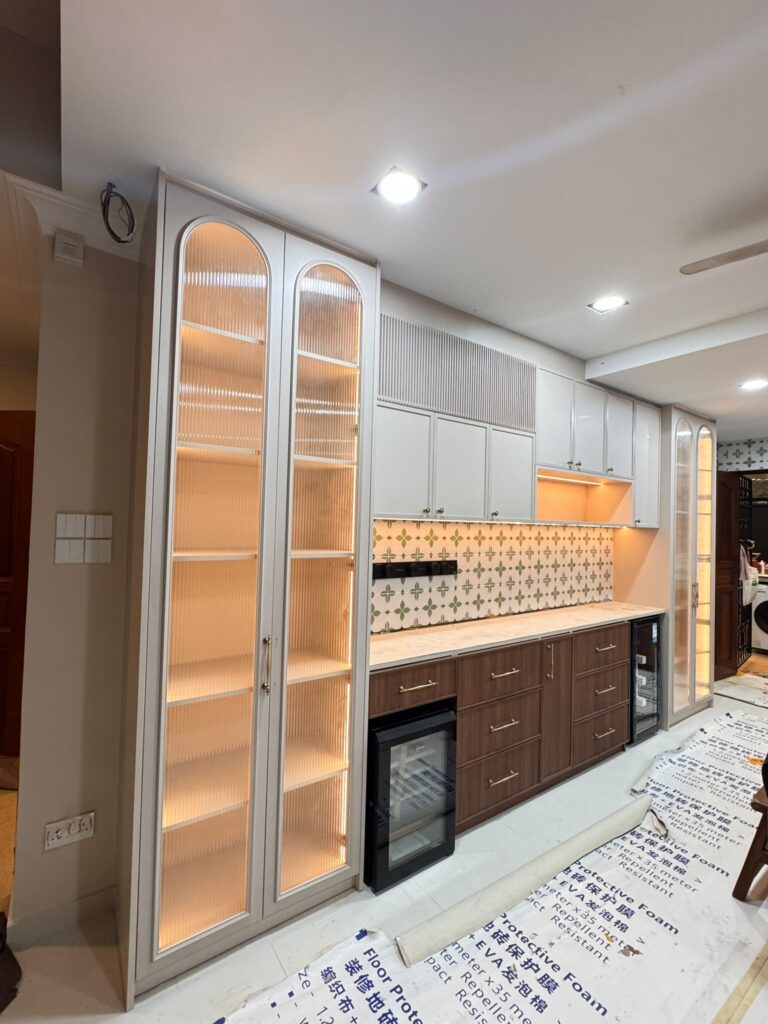
Not all aluminium is identical. The metal is alloyed with other elements, including manganese, magnesium, silicon, and copper, to produce different grades with varying properties. For kitchen cabinets in Singapore, the two most relevant alloy series are the 1000 series (nearly pure aluminium) and the 3000 and 5000 series (aluminium-manganese and aluminium-magnesium alloys respectively).
| Alloy Series | Key Properties | Best Application |
|---|---|---|
| 1000 series | Highest corrosion resistance, softer | Light-duty frames, decorative trims |
| 3000 series | Good corrosion resistance, moderate strength | Cabinet frames, door panels |
| 5000 series | Excellent marine-grade resistance, strong | Wet kitchen cabinets, coastal homes |
| 6000 series | High strength, good corrosion resistance | Structural frames, heavy-duty shelving |
| 2000/7000 series | Highest strength, lower corrosion resistance | Aerospace/structural only, not recommended for kitchen use |
For most Singapore kitchens, 3000 or 5000 series alloys are the practical choice. They offer a strong balance of corrosion resistance and structural rigidity, allowing cabinet frames to stay straight and strong over years of daily use in a humid environment.
Steel Cabinets vs Aluminium Cabinets in Singapore Kitchens
Steel cabinets are sometimes marketed as a robust, industrial-grade alternative to aluminium. They are undeniably strong, and stainless steel in particular has a long track record in commercial and restaurant kitchens. However, there are meaningful trade-offs for residential use.
A report by The Rail (2025) covering restaurant kitchen equipment highlighted that hidden corrosion in kitchen environments is a persistent problem even in commercial settings. The article noted that steel surfaces in moist environments frequently suffer from oxidation beneath protective coatings, particularly in areas with poor ventilation or around water sources. Stainless steel is more resistant than mild steel, but it is not immune, especially at joints and welds where the protective chromium oxide layer can be compromised.
Aluminium, by contrast, is lighter, which means easier installation and less stress on cabinet carcasses and wall fixings. It does not require the same thickness of steel to achieve adequate rigidity for kitchen storage loads. It is also inherently more resistant to the kind of moisture exposure found in a Singapore HDB or condominium kitchen.
If you are renovating a home in the east, exploring kitchen cabinets tampines options that specifically address Singapore’s coastal humidity is a sensible starting point. Similarly, homeowners in newer estates on the northeast side can investigate kitchen cabinets sengkang specialists who understand the requirements of modern HDB layouts.
How Long Do Aluminium Kitchen Cabinets Last in Singapore?
Lifespan is one of the most practical considerations for any homeowner investing in a kitchen renovation. Aluminium kitchen cabinets, when properly manufactured, finished, and maintained, routinely last 20 to 30 years in residential use. Some high-quality installations last longer still.
The global market for metal cabinets was valued at approximately US$17.5 billion in 2025, representing 14.8% of the total cabinets market, with a projected compound annual growth rate of 5.6% (DataIntelo, 2025). This sustained growth reflects growing consumer confidence in metal cabinetry, driven by durability expectations that wooden or composite alternatives often cannot match in humid climates or locations like kitchen cabinets punggol.
The factors most likely to shorten the lifespan of aluminium cabinets are:
- Mechanical damage to the surface coating, particularly near hinges and handles, that is left unrepaired and allows moisture contact with bare metal.
- Use of abrasive or acidic cleaning products that strip the protective finish.
- Poor quality hardware, especially steel screws used in aluminium frames without corrosion-resistant coatings, which can create galvanic corrosion where two different metals are in electrical contact in the presence of moisture.
- Inadequate ventilation in an enclosed kitchen space, leading to excessive condensation on cabinet surfaces.
With proper care, aluminium significantly outperforms both solid wood and wood-composite cabinets in Singapore’s climate.
Maintenance Practices That Protect Your Aluminium Cabinets
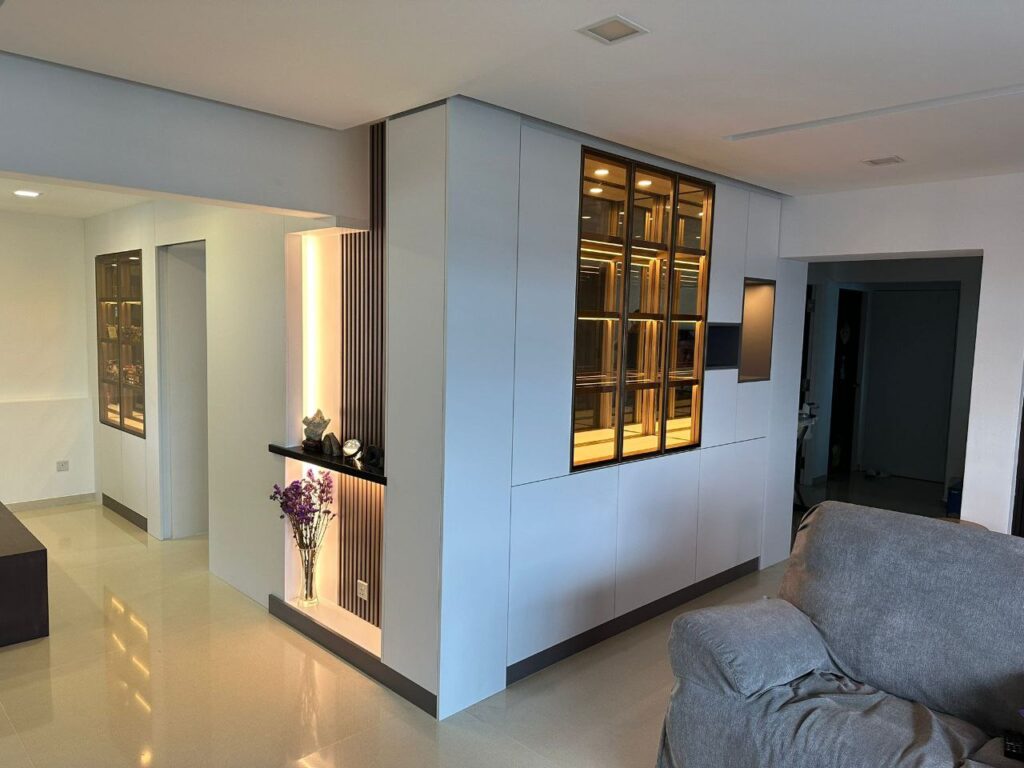
Protecting aluminium kitchen cabinets from surface deterioration is straightforward. The key is consistency and using the right products.
Recommended cleaning routine:
- Wipe surfaces weekly with a soft, damp cloth.
- Use a mild, pH-neutral detergent diluted in warm water for grease and cooking residue.
- Rinse with clean water and dry immediately to prevent water spots.
- Inspect hinges and handles quarterly for signs of surface wear or loose fixings.
- Apply a thin layer of appropriate metal or appliance polish once or twice a year to maintain the surface sheen on polished finishes.
What to avoid:
- Steel wool or abrasive scrubbing pads that scratch the powder coat.
- Bleach, ammonia-based cleaners, or strongly acidic products.
- Leaving salt, vinegar, or citrus residue on cabinet surfaces for extended periods.
Homeowners making renovation decisions should also consider practical design choices that enhance both aesthetics and functionality, much like consulting specialists in kitchen cabinets bedok can help you plan a space that feels both open and practical, particularly in Singapore’s typically compact kitchens.
Corrosion-Resistant Cabinet Solutions for Singapore Homeowners
T Se7en Alucraft has been crafting custom aluminium fixtures for over 30 years and understands what Singapore homes demand. From HDB flats in Sengkang and Punggol to landed properties and condominiums across the island, the company supplies kitchen cabinets, wardrobes, bathroom vanities, and office furniture built to withstand Singapore’s year-round tropical humidity.
Residents in newer residential estates looking at comprehensive solutions, or those planning a renovation in the northeast and exploring specialists who supply high-quality kitchen cabinetry, will find that aluminium remains the most practical choice for long-term, low-maintenance kitchen installations in these locations.
When you ask whether can aluminium kitchen cabinets rust, the answer is clear: they cannot rust in the way steel does, and with the right alloy, surface finish, and maintenance habits, they represent one of the most durable and moisture-resistant cabinet choices available to Singapore homeowners in 2026.
Book Your Kitchen Cabinet Consultation with T Se7en Alucraft
Choosing the right cabinet material for Singapore’s climate is a decision that affects your kitchen for decades. T Se7en Alucraft’s consultants are ready to walk you through alloy grades, surface finishes, and custom layout options tailored specifically to your home.
Reach out today via phone at +65 9615 9273, email at sales@tse7en.com, or visit www.tse7en.com to schedule a WhatsApp consultation, video call design session, or virtual showroom tour. Book your consultation with T Se7en Alucraft and get expert advice on corrosion-resistant kitchen cabinets built to last in Singapore’s tropical climate.
Take the first step: contact T Se7en Alucraft today and request your personalised kitchen cabinet quote.
The Bottom Line on Can Aluminium Kitchen Cabinets Rust
The science is unambiguous: aluminium does not rust. Its natural oxide layer, enhanced by professional surface treatments like powder coating or anodising, makes it one of the most resilient cabinet materials available for Singapore’s hot, humid, and steam-filled kitchen environments. Choosing the right alloy grade and maintaining surfaces properly means your cabinets will look and perform well for decades.
If you are planning a kitchen renovation in 2026, speak with the team at T Se7en Alucraft. With over 30 years of experience building custom aluminium solutions for Singapore homes and businesses, they have the expertise to recommend the right materials, finishes, and layouts for your specific space. Contact them at +65 9615 9273 or visit www.tse7en.com to get started.
Book a Free Consultation with Singapore's Aluminium Cabinet Specialists
Your kitchen deserves materials that are built to handle Singapore’s climate without compromise. At T Se7en Alucraft, our consultants have spent over 30 years helping homeowners across the island choose corrosion-resistant, custom-made aluminium cabinets that look stunning and last for decades.
Speak to a T Se7en Alucraft consultant today and get personalised advice on alloy grades, surface finishes, and cabinet layouts tailored specifically to your home and budget.
Contact T Se7en Alucraft now at +65 9615 9273, email sales@tse7en.com, or visit www.tse7en.com to book your WhatsApp consultation, video call design session, or virtual showroom tour.
Frequently Asked Questions
Aluminium kitchen cabinets cannot rust because rust is a chemical reaction that only occurs in iron and steel when exposed to moisture and oxygen.
Aluminium reacts with oxygen to form aluminium oxide, a hard and stable protective layer that bonds tightly to the metal surface. Unlike rust on steel, this oxide layer does not flake or spread. Instead, it acts as a self-renewing barrier against further corrosion, making aluminium a highly reliable choice for Singapore’s humid kitchen environments.
Yes, aluminium is an excellent material for kitchen cabinets, especially in Singapore’s tropical climate.
Aluminium is completely waterproof, termite-proof, and resistant to warping, swelling, and fungal growth. These are all common problems with wood-based cabinet materials in humid conditions. When finished with powder coating or anodising, aluminium cabinets are also easy to clean, long-lasting, and available in a wide range of colours and textures to suit any kitchen aesthetic.
Aluminium kitchen cabinets typically last between 20 and 30 years when properly manufactured, finished, and maintained.
The key factors that determine lifespan are alloy quality, the integrity of the surface coating, and how consistently the cabinets are cleaned and inspected. Avoiding abrasive cleaning products, repairing surface chips promptly, and ensuring that hardware such as hinges and screws are corrosion-resistant will all help maximise the service life of your cabinets in Singapore’s conditions.
For most Singapore residential kitchens, aluminium is the more practical and durable choice compared to standard steel.
Aluminium is significantly lighter than steel, which simplifies installation and reduces stress on wall fixings. It is also inherently corrosion-resistant without requiring the same level of surface maintenance that steel demands. While stainless steel performs reliably in commercial and restaurant settings, it comes at a considerably higher cost and is heavier to handle. For homeowners seeking long-term value, aluminium offers a compelling balance of strength, moisture resistance, and ease of care.
The 3000 and 5000 series aluminium alloys are the most widely recommended choices for residential kitchen cabinet applications.
The 3000 series, an aluminium-manganese alloy, provides a practical balance of corrosion resistance and moderate structural strength, making it well suited to cabinet frames and door panels. The 5000 series, an aluminium-magnesium alloy, offers marine-grade moisture resistance and is particularly appropriate for wet kitchen zones or homes near the coast. Both series are compatible with powder coating and anodising, giving you a wide choice of finishes without sacrificing performance.
Still Unsure?
Speak to a professional now and get personalized consultation and guidance for your next renovation. Work with a team you can trust!
Best Materials for Kitchen Cabinets in Singapore
Home Blog Aluminium kitchen cabinets do not rust in the traditional sense, because rust is the specific oxidation of iron or steel when exposed to...