

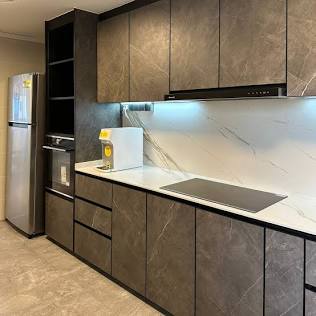

Are Aluminium Kitchen Cabinets Termite Proof? What Singapore Homeowners Need to Know in 2026
Aluminium kitchen cabinets are completely termite proof because aluminium contains no organic material, giving termites nothing to feed on, burrow into, or damage. Unlike wood-based cabinets, aluminium does not absorb moisture, warp, or provide the cellulose that termites require to survive.
Key Takeaways
- Aluminium kitchen cabinets offer 100% natural termite resistance because they contain zero organic material.
- Singapore’s dense housing stock, including around 1.2 million HDB units, faces significant termite risk, making material choice critical.
- Wood, plywood, and MDF cabinets are all vulnerable to termite damage; aluminium eliminates this risk entirely.
- Aluminium cabinets typically last 20 to 30 years with minimal maintenance in Singapore’s humid climate.
- Stainless steel is the only material that rivals aluminium for termite resistance, but it costs considerably more.
- T Se7en Alucraft brings over 30 years of carpentry expertise and specialised aluminium knowledge to every installation.
Why Termites Cannot Damage Aluminium Kitchen Cabinets
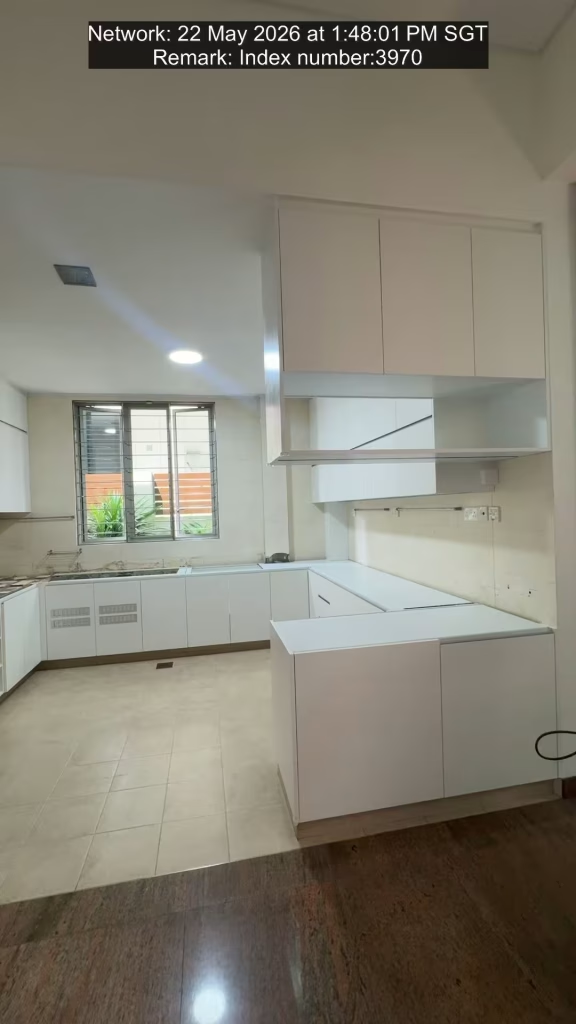
To understand why are aluminium kitchen cabinets termite proof, you first need to understand what attracts termites in the first place. Termites feed on cellulose, the organic compound found in wood, paper, and plant-based materials. Plywood, MDF, particleboard, and solid timber kitchen cabinets all contain cellulose, which means they are, by nature, food sources for termites.
Aluminium contains none of this. It is an inorganic metal with no cellulose, no fibrous structure, and no moisture-absorbing properties. Termites have no biological incentive to approach aluminium, let alone chew through it. Even if a termite colony establishes itself nearby, inside a wall cavity or beneath flooring, the colony will bypass aluminium cabinetry entirely and target any adjacent organic material instead.
This is not simply a marketing claim. Industry sources, including Wood vs Aluminium Kitchen Cabinet Materials reviewed by A Star Furnishing, confirm that aluminium is impervious to moisture, provides no organic material for mould to feed on, and presents nothing for termites to damage.
The Singapore Termite Risk Context
Termite risk in Singapore is not hypothetical. Industry estimates indicate that around 1.2 million HDB units, along with 210,000 condominiums and over 72,000 landed homes, are at risk of termite damage. A case reported in 2026 from a Choa Chu Kang flat illustrates the real financial stakes: termites spread from a nearby riser into the home, hollowing out kitchen cabinets and other furniture, resulting in over S$8,000 in damage.
When your kitchen cabinet material is aluminium, this type of damage is simply not possible. The termites may enter the space through wall risers or flooring gaps, but the cabinetry itself offers them nothing.
How Aluminium Kitchen Cabinets Perform Against Other Materials
Choosing kitchen cabinetry in Singapore means comparing materials that all respond differently to the local climate. Singapore’s average humidity sits above 80% for much of the year, and that combination of heat and moisture accelerates the degradation of wood-based products while leaving aluminium unaffected.
Here is a practical comparison across the most common cabinet materials available in Singapore:
| Material | Termite Resistant | Waterproof | Mould Resistant | Typical Lifespan | Approx. Cost (SGD) |
|---|---|---|---|---|---|
| Aluminium | Yes (100%) | Yes | Yes | 20-30 years | S$3,000 – S$8,000+ |
| Solid Wood | No | No | No | 10-15 years | S$4,000 – S$10,000+ |
| Plywood | No | Partially | Partially | 8-12 years | S$2,500 – S$6,000 |
| MDF | No | No | No | 5-8 years | S$1,800 – S$4,500 |
| Stainless Steel | Yes | Yes | Yes | 25-35 years | S$6,000 – S$15,000+ |
| PVC | Yes | Yes | Yes | 10-15 years | S$2,000 – S$5,000 |
According to the NKBA 2024 Design Trends Report, more than 60% of kitchen renovation callbacks relate to moisture damage, including warped doors, delaminated panels, and mouldy interiors. These are precisely the failure modes that aluminium eliminates. For a more detailed breakdown, the Aluminium Cabinets Vs Plywood comparison on T Se7en’s website walks through how these two materials stack up across every key performance metric.
What Makes Aluminium Kitchen Cabinets a Strong Investment for Singapore Homes
Durability Beyond Termite Resistance
Termite proofing is one of several structural advantages aluminium holds over wood. If you are asking are aluminium kitchen cabinets termite proof partly because you have experienced water damage before, you will find that aluminium addresses both concerns simultaneously. You can read more about whether can aluminium kitchen cabinets rust on the T Se7en Alucraft resource page, which explains how modern powder-coated and anodised finishes protect aluminium surfaces from oxidation.
Aluminium kitchen cabinets also resist warping, swelling, and cracking, which are common complaints with solid wood cabinets installed in Singapore’s climate. You will not find aluminium cabinet doors sticking in humid weather or splitting in an air-conditioned kitchen during dry spells.
Design Versatility and Modern Aesthetics
There is a persistent misconception that aluminium cabinets look industrial or clinical. Modern aluminium cabinetry is available in a wide range of finishes, including matte, gloss, woodgrain textures, and lacquered colours, allowing you to achieve any aesthetic from minimalist Scandinavian to warm contemporary. T Se7en Alucraft, with over 30 years of experience in the carpentry and aluminium space, produces custom kitchen cabinets that suit the full range of Singapore home styles, from compact HDB flats to landed property renovations.
When planning your layout, questions like should kitchen cabinets go to the ceiling become relevant, especially in HDB kitchens where maximising vertical storage can transform a small space. Aluminium’s structural strength means it can support full-height cabinet runs without sagging or deforming over time.
Long-Term Cost Efficiency
The global kitchen cabinets market was valued at USD 107.86 billion in 2026 and is projected to reach USD 218.23 billion by 2034, growing at a compound annual growth rate of 8.26%, according to Fortune Business Insights (2025). This growth is driven partly by homeowners shifting towards more durable, low-maintenance materials, with aluminium and steel gaining ground against traditional wood-based options.
When you calculate the total cost of ownership, including replacement costs, repair bills, and pest control treatments, aluminium cabinets often prove less expensive over a 15 to 20-year period than cheaper wood-based alternatives. If you want a deeper look at the longevity question, the article on how long do aluminium cabinets last provides specific timeframes based on installation conditions and maintenance levels.
Maintaining Your Aluminium Kitchen Cabinets for Lasting Performance
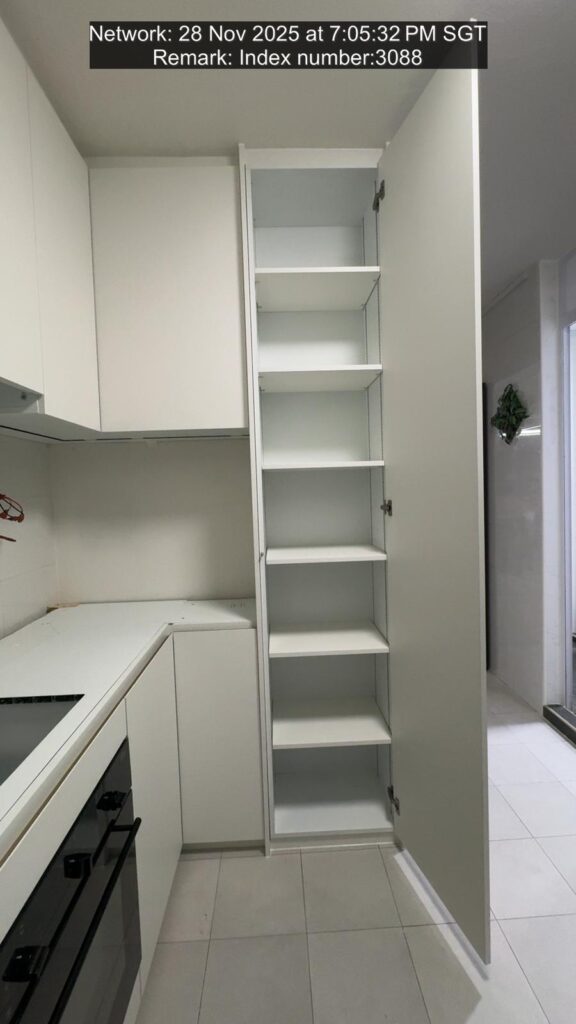
One of the practical advantages of aluminium cabinetry is that ongoing maintenance is straightforward. You do not need specialised treatments, sealants, or annual pest control services to preserve their termite resistance. That resistance is permanent and inherent to the material.
That said, a few maintenance habits will keep your cabinets looking their best for decades:
- Wipe surfaces regularly with a damp cloth and mild detergent to remove grease and cooking residue.
- Avoid abrasive cleaning pads on powder-coated or anodised surfaces, as these can scratch the finish.
- Check hinge and track hardware every six to twelve months and apply a small amount of lubricant if necessary.
- Inspect joints and edges near sinks and cooking areas annually to ensure seals remain intact.
- Avoid prolonged exposure to harsh chemicals such as bleach, which can affect certain finishes over time.
For homeowners in neighbourhoods with older building stock, where termite activity is more common, the peace of mind that comes with aluminium cabinetry is particularly valuable. If you are based in the east or northeast of Singapore, T Se7en Alucraft provides local installation services including kitchen cabinets bedok and kitchen cabinets sengkang to homeowners across those areas.
Common Concerns About Aluminium Kitchen Cabinets
Are There Any Genuine Disadvantages?
Aluminium kitchen cabinets carry real advantages, but no material is without trade-offs. Understanding these helps you make a fully informed decision.
- Initial cost: Aluminium cabinets typically cost more upfront than MDF or particleboard alternatives, though they are competitively priced against solid wood.
- Dent susceptibility: While aluminium is highly durable, a sharp impact from a heavy object can dent the surface. This is rarely an issue in normal kitchen use, but it is worth knowing.
- Thermal conductivity: Aluminium conducts heat, so cabinets positioned very close to a stove may feel warm to the touch. This does not affect structural integrity, but it is a design consideration.
- Limited repair options: If a panel is dented or scratched significantly, replacement of the individual panel is usually required rather than a simple fill-and-paint repair as with wood.
- Sound: Aluminium can be slightly noisier than wood when doors close, though soft-close hinges resolve this effectively.
For new build renovations in the north, T Se7en Alucraft also serves homeowners searching for kitchen cabinets punggol, with custom designs suited to newer HDB layouts and executive condominiums.
What Certifications Should You Look For?
When evaluating aluminium cabinet suppliers in Singapore, look for products certified under the Singapore Green Label scheme, which assesses environmental impact and material quality. T Se7en Alucraft designs products with these standards in mind, reflecting a commitment to quality that goes beyond basic structural performance. You can also explore the full product rationale at waterproof aluminium kitchen cabinets Singapore and why aluminium kitchen cabinets are taking Singapore by storm.
T Se7en Alucraft: Singapore's Aluminium Kitchen Cabinet Specialist
T Se7en Alucraft has been serving Singapore homeowners and businesses for over 30 years, beginning in traditional carpentry and developing deep expertise in custom aluminium fixtures over the past decade. The team designs, manufactures, and installs kitchen cabinets, wardrobes, bathroom vanities, and office furniture tailored to each client’s space and requirements.
Every aluminium kitchen cabinet produced by T Se7en is built to withstand Singapore’s climate: the humidity, the cooking heat, the proximity to wet areas. Consultations are available via phone, WhatsApp, video call, and virtual showroom tours, making it easy to begin your design conversation without leaving home.
To speak with a consultant, contact T Se7en Alucraft at:
- Phone: +65 9615 9273
- Email: sales@tse7en.com
- Website: www.tse7en.com
Book Your Aluminium Kitchen Cabinet Consultation with T Se7en Alucraft
Use this table to assess your situation before committing to a design direction:
Singapore homeowners who have experienced termite damage, moisture warping, or mouldy cabinet interiors cannot afford to repeat the same material mistake twice. Aluminium cabinetry eliminates these problems permanently, and T Se7en Alucraft has over 30 years of expertise to ensure your installation is done right the first time. Book your appointment today and speak with a design consultant who understands Singapore homes, Singapore weather, and what truly lasts. Contact T Se7en Alucraft at +65 9615 9273 or email sales@tse7en.com to schedule your consultation via WhatsApp, video call, or a virtual showroom tour.
The Final Word on Whether Aluminium Kitchen Cabinets Are Termite Proof
Aluminium kitchen cabinets are termite proof, full stop. There is no maintenance schedule, chemical treatment, or special sealant required to maintain that resistance because it is inherent to the material itself. In a country where termite risk affects millions of homes and a single infestation can cost upwards of S$8,000 in cabinet damage alone, choosing aluminium is one of the most straightforward risk-reduction decisions available to any Singapore homeowner.
If you are planning a kitchen renovation or replacing damaged cabinetry, T Se7en Alucraft is ready to help you design a solution built to last in Singapore’s climate. Reach out via phone at +65 9615 9273, email at sales@tse7en.com, or visit www.tse7en.com to arrange a consultation at a time that suits you.
Frequently Asked Questions
Aluminium kitchen cabinets are the most widely available termite-resistant option for Singapore homes.
Because aluminium is an inorganic metal with no cellulose content, termites have no biological reason to attack it. Stainless steel and PVC cabinets also offer termite resistance, but aluminium is the most practical choice for most homeowners, balancing durability, design versatility, and long-term cost. Wood, plywood, MDF, and particleboard cabinets are all vulnerable to termite damage and are not recommended in areas with known termite activity.
Aluminium kitchen cabinets cost more upfront than MDF or particleboard alternatives, and they can dent under sharp impact.
While aluminium outperforms wood-based materials in almost every structural category, it does have practical limitations. A heavy object dropped against an aluminium panel may leave a dent that requires panel replacement rather than a simple repair. Aluminium also conducts heat, so cabinets positioned very close to a stove may feel warm to the touch during cooking, though this does not affect the cabinet’s structural integrity or safety.
An aluminium cupboard typically lasts between 20 and 30 years under normal residential conditions in Singapore.
This lifespan significantly exceeds wood-based alternatives, which often need replacement or major repair within 8 to 15 years due to moisture damage, warping, or termite activity. The actual lifespan of your aluminium cupboard depends on installation quality, proximity to water sources, and basic maintenance habits such as keeping surfaces clean and checking hinge hardware periodically. Cabinets installed by experienced specialists such as T Se7en Alucraft, using quality-grade aluminium profiles and powder-coated finishes, consistently reach the upper end of this range.
For Singapore’s climate, aluminium is the best all-round material for kitchen cabinets when durability, moisture resistance, and pest resistance are priorities.
Solid wood offers aesthetic warmth but requires ongoing maintenance and is vulnerable to humidity and termites. Plywood and MDF are affordable but degrade relatively quickly in Singapore’s conditions. Stainless steel matches aluminium for durability but costs considerably more and limits design options. Aluminium strikes the most practical balance: it is waterproof, termite proof, mould resistant, customisable, and competitively priced over a full ownership period, making it the preferred choice for homeowners who want a kitchen that performs for decades.
Aluminium is the most practical termite-proof material for kitchen cabinets in Singapore, followed by stainless steel and PVC.
According to industry sources reviewed by Mettas Lifestyle, materials such as stainless steel, aluminium, and marine-grade PVC all provide genuine termite resistance because they contain no organic compounds for termites to consume. Of these, aluminium offers the best combination of structural strength, design flexibility, ease of fabrication, and affordability for residential use. If your primary concern is protecting your kitchen investment from termite damage long-term, aluminium cabinetry is the most sensible and widely supported choice available in Singapore’s renovation market.
Still Unsure?
Speak to a professional now and get personalized consultation and guidance for your next renovation. Work with a team you can trust!
Best Materials for Kitchen Cabinets in Singapore
Home Blog Aluminium kitchen cabinets are completely termite proof because aluminium contains no organic material, giving termites nothing to feed on, burrow into, or damage....