Singapore’s tropical climate creates the perfect storm for wardrobe mold growth. With humidity levels consistently above 80% and temperatures ranging between 24-32°C year-round, your wardrobe becomes a breeding ground for mold and mildew. If you’ve ever opened your aluminium wardrobe to find white fuzzy patches on your clothes or a musty smell that won’t go away, you’re not alone.
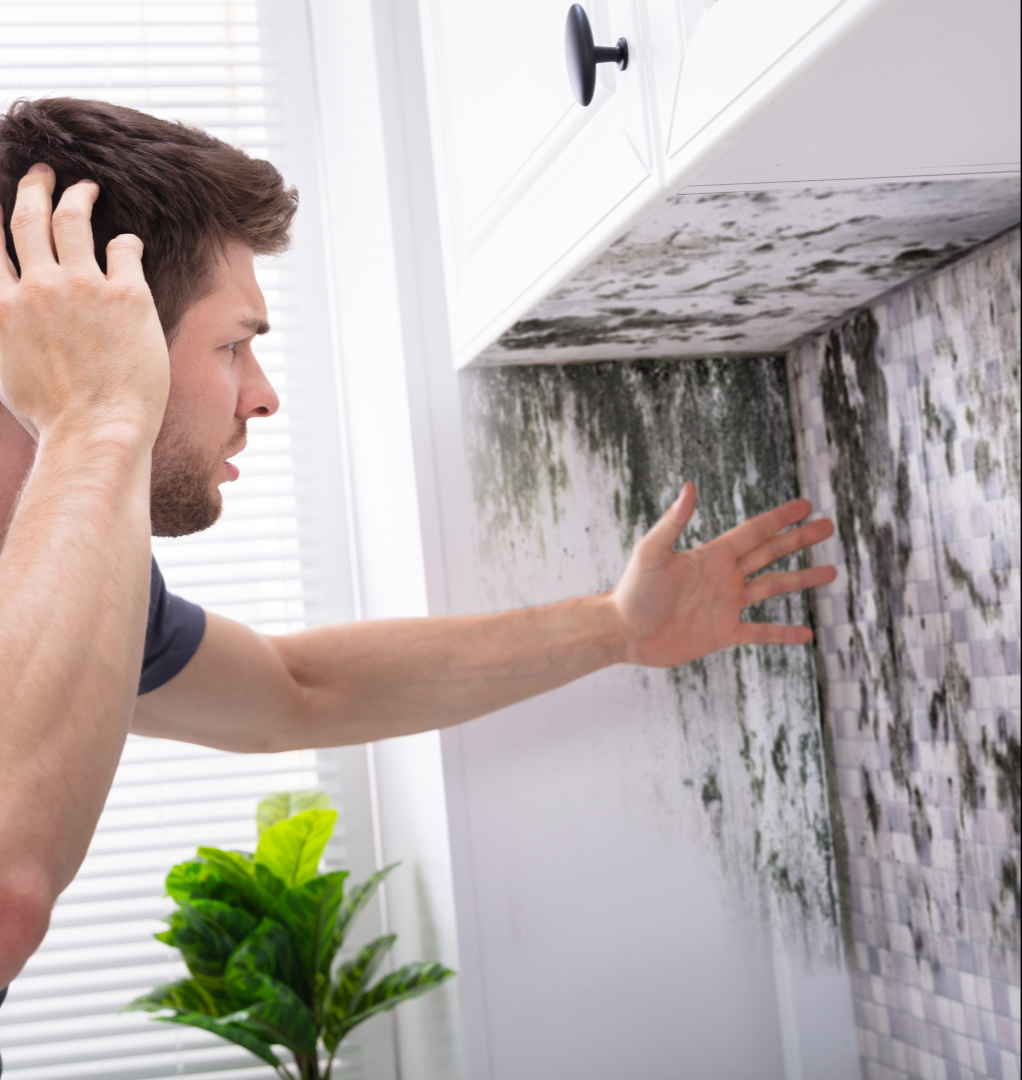
According to the National Environment Agency, Singapore maintains an average relative humidity of 84%, with indoor humidity often reaching 90% during monsoon seasons. This creates conditions where mould spores can multiply within 24-48 hours on organic materials like wood and fabric.
Recent surveys of Singapore homeowners reveal alarming trends:
For a more effective solution, learn about the advantages of aluminium vs. wood kitchen cabinets, as aluminium materials are resistant to moisture and mold.
In kitchens, aluminium kitchen cabinets offer the same mold-resistant benefits, making them an ideal choice for areas with high humidity.
Beyond the obvious health concerns, mold damage creates a significant financial impact:
To avoid these costs, consider aluminium kitchen materials as a durable, cost-effective solution for wardrobes and storage.
Most Singapore homeowners try these common approaches, but each comes with significant drawbacks:
Customer Experience: “I was spending $30 monthly on silica gel packets and my electricity bill doubled from running dehumidifiers. The mold kept coming back every few months.” – Sarah L., Toa Payoh
Instead of relying on temporary solutions, consider stainless steel kitchen cabinets, which are far more durable and resistant to mold.
Customer Experience: “We had our built-in wardrobe professionally treated twice in one year. Cost us $800 and mold still appeared after the next rainy season.” – Michael T., Jurong West
Customer Experience: “Better ventilation reduced the mold frequency, but we still had issues during monsoon season. The wooden shelves would warp and we’d find mold spots every few months.” – Jennifer W., Tampines
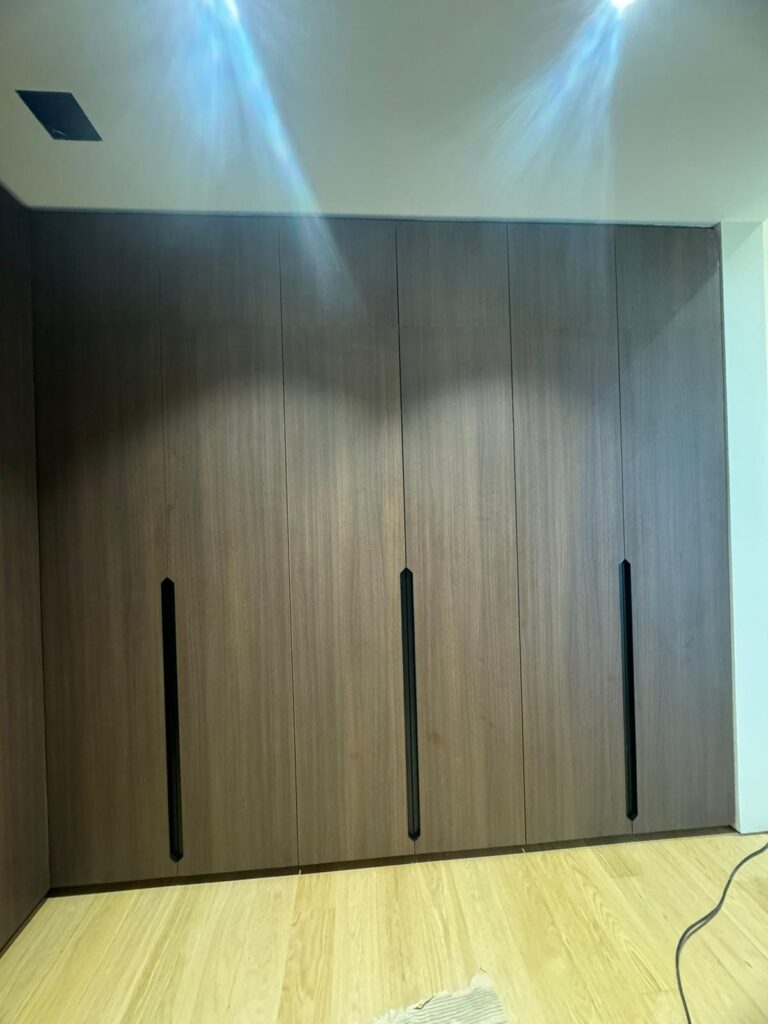
Understanding why mold thrives in certain materials is crucial for choosing the right wardrobe solution.
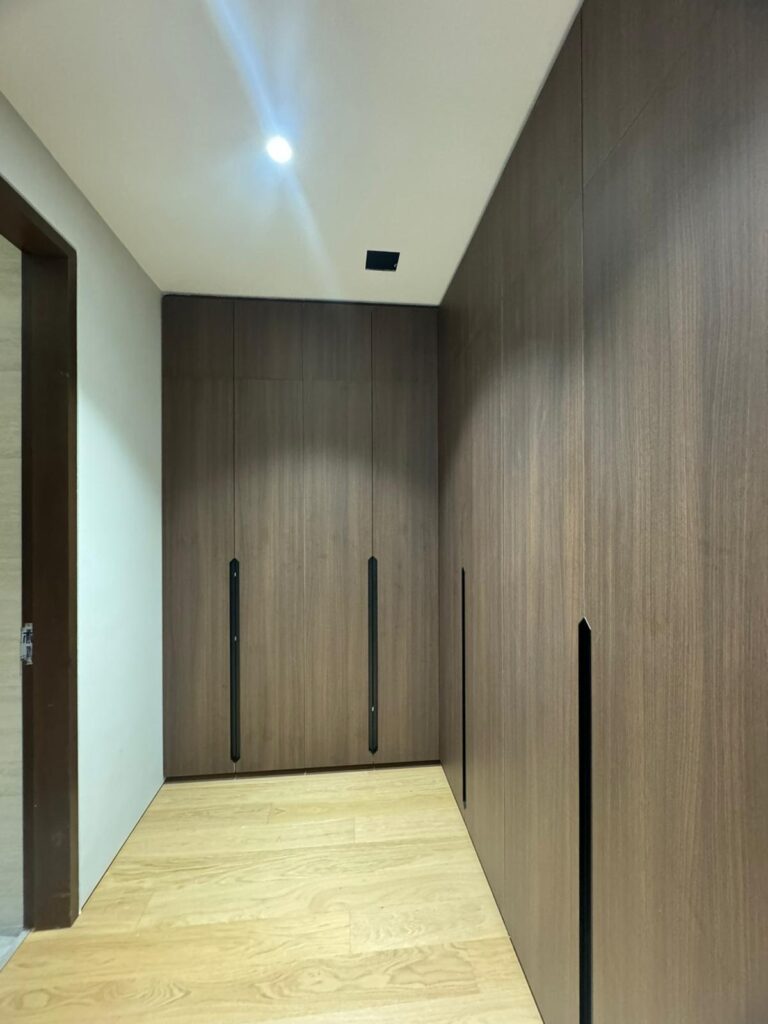
To solve these problems, aluminium is the optimal solution, as it is non-porous and prevents moisture absorption. Check out our Aluminium Sliding Door for Kitchen Cabinets for more ideas on moisture-resistant solutions.
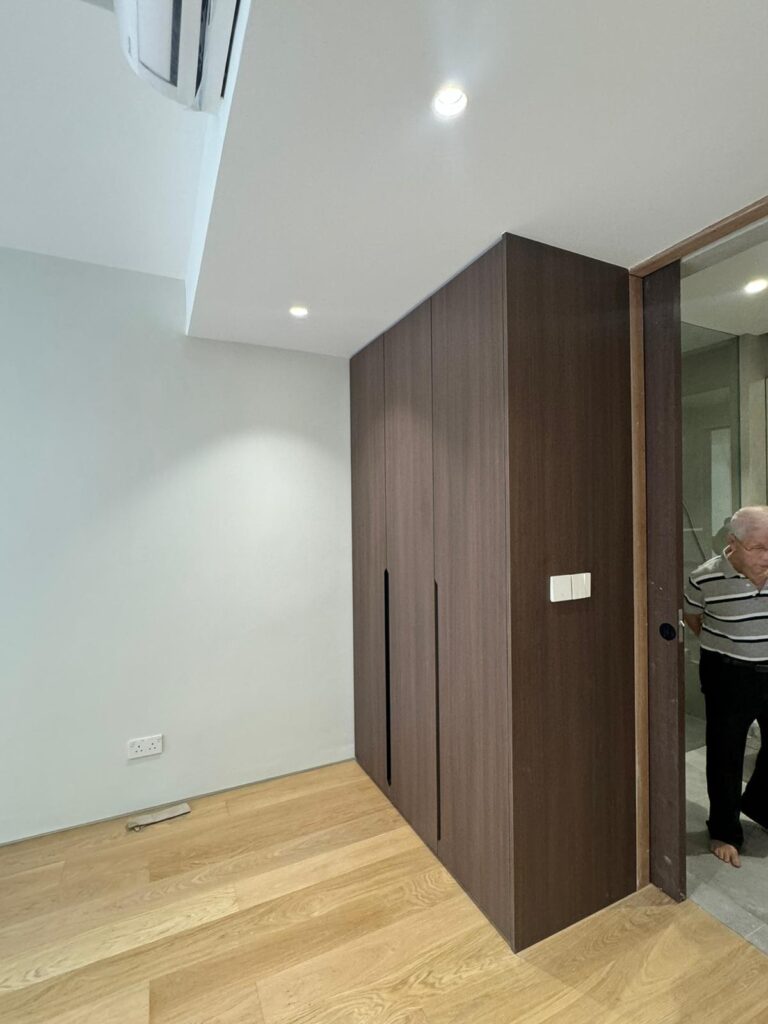
Unlike wood or laminate, aluminium’s molecular structure creates a completely non-porous surface:
Daily Maintenance: None required Weekly Cleaning: Simple wipe with damp cloth Monthly Deep Clean: Mild soap solution, air dry Annual Treatment: None needed Lifetime Maintenance Cost: Under $50 total
Compare this to wood wardrobes requiring:
Aluminium’s thermal properties actually help regulate internal wardrobe temperature:
Savings over 20 years: $11,800
In comparison, wood wardrobes require ongoing treatments, frequent moisture monitoring, and costly replacements. Consider the savings of aluminium by reading about aluminium vs melamine kitchen cabinets.
Background: Mrs. Chen, 45, marketing executive Problem: Recurring mold in master bedroom wardrobe, clothes damaged every 3-4 months Previous Solutions Tried: Dehumidifiers, silica gel, wood treatments Previous Annual Cost: $1,200 (treatments, replacements, electricity)
The Transformation: After switching to aluminium wardrobes in January 2023:
Mrs. Chen’s Feedback: “I wish I’d known about aluminium wardrobes years ago. No more musty smells, no more throwing away moldy clothes. My peace of mind is worth every penny.”
For customized solutions, consider our Design Consultation.
Background: The Lim family, young couple with two children Problem: Entire walk-in closet affected by mold, children’s clothes repeatedly damaged Previous Solutions Tried: Professional mold remediation, ventilation upgrade, climate control Previous Annual Cost: $2,400
The Transformation: Complete aluminium wardrobe system installed March 2023:
Mr. Lim’s Feedback: “The difference is night and day. Our kids can breathe better, we’re not constantly worried about mold, and we’re actually saving money long-term.”
Background: Mr. and Mrs. Tan, retirees Problem: Multiple wardrobes throughout house affected, ground floor storage severely damaged Previous Solutions Tried: Complete house dehumidification, professional treatments, wardrobe replacements Previous Annual Cost: $3,600
The Transformation: Phased aluminium wardrobe installation throughout property:
Mrs. Tan’s Feedback: “We should have done this from the beginning. No more stress about monsoon season, no more expensive treatments. Just peace of mind.”
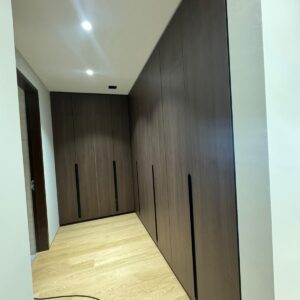
Mindset: React to mold problems as they occur Strategy: Manage humidity, treat symptoms Outcome: Ongoing battle with recurring issues Cost: Continuous expense with no permanent solution
Mindset: Eliminate mold possibility entirely Strategy: Remove organic materials that support mold growth Outcome: Permanent solution, no recurring issues Cost: One-time investment with decades of protection
Traditional solutions only address symptoms, while aluminium offers a permanent solution. To learn more about aluminium’s benefits, read about aluminium vs wood kitchen cabinets.
Ms. Lisa Wong, Senior Interior Designer, Wong & Associates: “In my 15 years designing Singapore homes, I’ve seen the aluminium transition accelerate dramatically. Clients who initially resist the idea become our biggest advocates after experiencing the difference. It’s not just about mold prevention it’s about creating worry-free living spaces.”
David Ng, Property Management Director, Prime Properties: “We manage over 200 rental properties in Singapore. Units with aluminium wardrobes have 90% fewer maintenance complaints and higher tenant satisfaction. The payback period for landlords is typically 18-24 months through reduced maintenance costs alone.”
Dr. Sarah Koh, Environmental Health Specialist: “From a health perspective, prevention is always superior to treatment. Aluminium wardrobes eliminate the source rather than managing the symptoms. For families with respiratory sensitivities, this can be life-changing.”
Ready for a mold-free wardrobe? Explore our Custom Aluminium Kitchen Cabinet Design Process to learn how to start your transformation.
The evidence is clear: while traditional solutions treat symptoms, aluminium wardrobes eliminate the problem entirely. Singapore’s climate isn’t going to change, but your approach to wardrobe storage can.
Consider these key factors:
For the ultimate mold-resistant solution, discover why aluminium wardrobes are Singapore’s smart choice. Our comprehensive range of aluminium wardrobe solutions is specifically designed for Singapore’s challenging climate, offering customizable options for every home type and budget.
Don’t let another monsoon season damage your clothes and stress your family. Join thousands of Singapore homeowners who’ve made the switch to worry-free storage.
Ready for a mold-free wardrobe? Explore our aluminium solutions →
Location: 39 Woodlands Cl, #05-21, Singapore 737856
Phone: +65 9615 9273
Email: marketing@tse7en.com
Website: https://www.tse7en.com
Follow Us on Social Media:
Speak to a professional now and get personalized consultation and guidance for your next renovation. Work with a team you can trust!
Home Blog Aluminium kitchen cabinets do not rust in the traditional sense, because rust is the specific oxidation of iron or steel when exposed to...