The most common bathroom renovation mistakes in Singapore are poor planning, budget underestimation, weak waterproofing, poor ventilation, oversized fixtures, and unsuitable materials for humid wet zones. Homeowners can avoid costly rework by planning layouts early, hiring qualified professionals, allowing a 15–20% contingency buffer, and choosing moisture-resistant materials such as aluminium bathroom cabinets and fittings. T Se7en Alucraft helps Singapore homeowners create durable, space-efficient bathrooms with custom aluminium systems designed for compact, high-humidity homes.
Bathroom renovations are one of the most impactful upgrades for Singapore homes. In HDB flats, condominiums, and compact apartments, every decision matters because space, humidity, waterproofing, ventilation, and compliance all affect the final outcome.
However, many homeowners make the same renovation mistakes: they start without a complete plan, underestimate hidden costs, choose unsuitable materials, or overlook technical details such as waterproofing and airflow. These errors can lead to leaks, mould, poor usability, delays, and expensive rework.
This guide explains the 12 most common mistakes homeowners make during bathroom renovation in Singapore and how to avoid them. For homeowners planning a full wet-area upgrade, T Se7en Alucraft also supports toilet renovation in Singapore with durable aluminium solutions designed for compact, humid homes.
| Mistake | Why It Matters in Singapore | How to Avoid It |
|---|---|---|
| Inadequate planning | Compact bathrooms need careful coordination of layout, plumbing, storage, and ventilation. | Finalise your layout, materials, storage, and access needs before renovation begins. |
| Budget mismanagement | Hidden costs such as waterproofing, hacking, plumbing, and permits can increase total spend. | Prepare a full budget with a 15–20% contingency buffer. |
| DIY renovation work | Waterproofing, plumbing, and electrical works can create compliance and safety risks. | Leave regulated wet-zone work to qualified professionals. |
| Choosing the wrong contractor | Poor workmanship can cause leaks, delays, and costly rework. | Check credentials, past projects, references, and contract details. |
| Poor layout choices | Bad fixture placement affects movement, storage, and daily use. | Plan clearances for doors, drawers, toilets, sinks, and shower areas. |
| Oversized fixtures | Large vanities or tubs can overwhelm compact HDB and condo bathrooms. | Choose slim-profile, wall-mounted, or custom-sized fixtures. |
| Insufficient storage | Small bathrooms become cluttered quickly without proper storage. | Use vertical storage, mirror cabinets, recessed shelves, and custom cabinetry. |
| Ignoring ventilation | Humidity can cause mould, odours, peeling paint, and damaged cabinets. | Use proper exhaust ventilation and moisture-resistant finishes. |
| Skipping waterproofing | Leaks can damage neighbouring units and lead to disputes. | Use proper membranes, sealed joints, and full curing time. |
| Missing permits and compliance | Certain works may require HDB, condo management, or authority approval. | Confirm approval requirements before renovation starts. |
| Unrealistic timelines | Rushed work can compromise waterproofing, tiling, and installation quality. | Allow realistic time for approvals, curing, delivery, and installation. |
| Poor material choices | Humidity can warp wood-based cabinets and corrode unsuitable fittings. | Choose wet-zone materials such as aluminium, mould-resistant paint, and suitable tiles. |
Every successful bathroom renovation starts with a clear plan. Many homeowners begin hacking tiles, ordering fixtures, or choosing finishes before confirming the layout, storage strategy, ventilation path, and material requirements.
This often leads to wasted space, poor flow, overlapping functions, and costly revisions.
Before renovation begins, plan the following:
For compact Singapore bathrooms, early planning is especially important. T Se7en Alucraft can support homeowners with space-efficient aluminium bathroom solutions tailored for humid environments and smaller layouts.
One of the most common bathroom renovation mistakes is underestimating the true cost of the project. Many homeowners budget for visible items such as tiles, vanities, mirrors, and lighting but overlook less visible essentials.
These include waterproofing, plumbing upgrades, hacking, haulage, permits, inspections, and contingency costs.
| Cost Category | What to Include |
|---|---|
| Materials | Tiles, cabinets, fittings, lighting, mirrors, accessories |
| Labour | Tiling, plumbing, electrical work, installation |
| Hacking and haulage | Removal of existing tiles, fixtures, and debris |
| Waterproofing | Wet-zone membranes, sealing, curing, inspection |
| Compliance | Permit applications, inspections, management approvals |
| Contingency | 15–20% buffer for unexpected issues |
For homeowners comparing project costs, see our guide to toilet renovation cost in Singapore or review broader home renovation cost in Singapore before setting your final budget.
DIY work may be suitable for small decorative tasks, but bathrooms are high-risk spaces. Waterproofing, electrical work, drainage, plumbing, and wet-area modifications require technical knowledge and, in many cases, proper approval.
DIY mistakes can lead to leaks, electrical hazards, voided warranties, compliance issues, and expensive professional rework.
| Task | Why It Should Be Handled Professionally |
|---|---|
| Waterproofing | Poor membrane application can cause leaks and hidden water damage. |
| Plumbing rerouting | Incorrect work can affect drainage, pressure, and compliance. |
| Electrical works | Wet zones require proper safety standards. |
| Floor hacking | Incorrect hacking can damage waterproofing or structural layers. |
| Tile setting in wet zones | Poor installation can lead to water seepage and uneven surfaces. |
Instead of attempting wet-zone installation work yourself, consider using professional cabinet installation to reduce the risk of poor fitting, water damage, and premature cabinet failure.
The cheapest quote is not always the safest choice. Choosing an inexperienced or unqualified contractor can lead to poor workmanship, incomplete work, delays, and extra costs.
In Singapore, certain renovation works may require approved contractors or official permissions, especially for HDB flats, condominiums, and wet-area modifications.
Before hiring, review what separates the best renovation contractor in Singapore from a low-cost but risky provider. T Se7en Alucraft also offers renovation contractor services for homeowners who need reliable support with aluminium fixtures and renovation planning.
A bathroom may look attractive in a render or showroom, but it must still function well every day. Poor layout choices can make a bathroom feel cramped, awkward, or difficult to maintain.
Common layout mistakes include placing the toilet directly in view of the door, crowding the shower entrance, blocking cabinet doors, or leaving too little clearance around the sink.
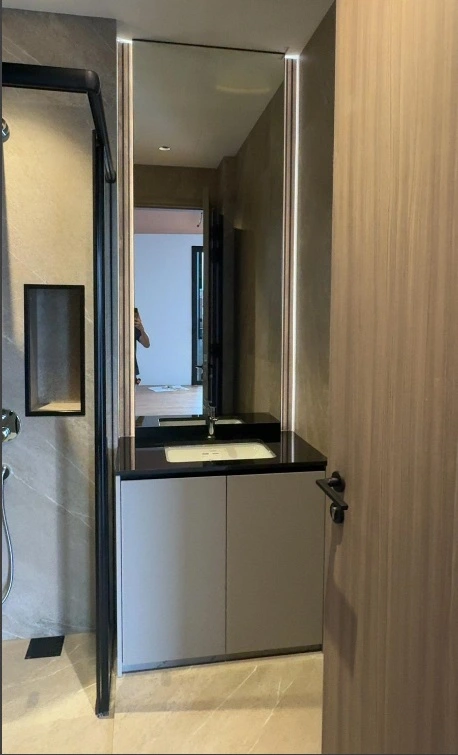
| Area | What to Check |
|---|---|
| Door swing | Make sure the bathroom door does not hit fixtures or cabinets. |
| Shower access | Keep enough space to enter and exit comfortably. |
| Cabinet clearance | Ensure drawers and doors can open fully. |
| Toilet placement | Avoid awkward sightlines and cramped positioning. |
| Sink access | Leave enough standing room for daily use. |
| Maintenance access | Keep plumbing and fittings reachable for repairs. |
A proper cabinet design consultation can help homeowners plan clearances, storage zones, cabinet openings, and fixture placement before renovation starts.
Large vanities, freestanding bathtubs, and wide countertop sinks may look luxurious in showrooms, but they can overwhelm compact Singapore bathrooms.
In smaller bathrooms, oversized fixtures can reduce walking space, block windows or ventilation, limit cleaning access, and make the room feel unbalanced.
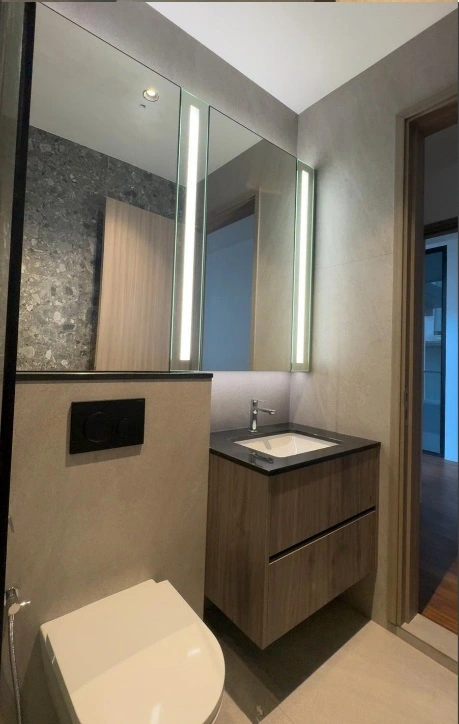
| Instead of This | Choose This |
|---|---|
| Freestanding bathtub | Corner shower or glass shower enclosure |
| Oversized vanity | Slim-profile or floating vanity |
| Wide countertop sink | Compact basin with integrated storage |
| Bulky storage unit | Vertical shelving or mirror cabinet |
| Floor-heavy fixtures | Wall-mounted fittings to free up floor space |
The goal is not to make every feature bigger. The goal is to create balance, movement, and efficient daily use.
Storage is often treated as an afterthought, but it directly affects how functional the bathroom feels. Without proper storage, toiletries, cleaning products, grooming tools, towels, and spare supplies quickly clutter the space.
This is especially common in Singapore homes, where bathrooms are often compact.
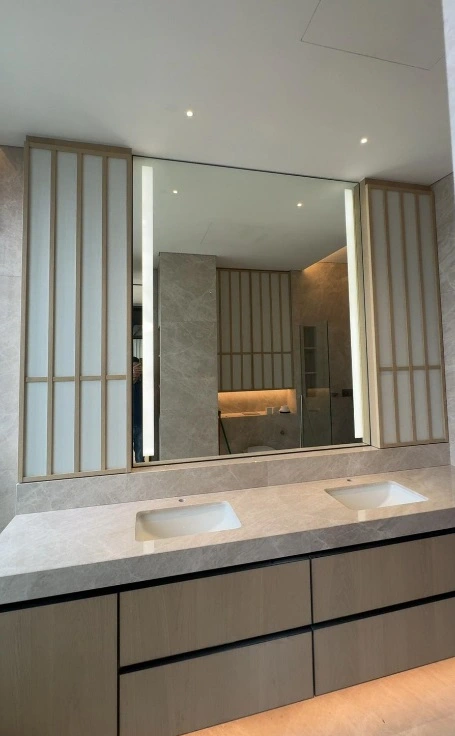
Good bathroom storage should match the user’s daily routine. It should also be moisture-resistant, easy to clean, and designed so doors and drawers do not collide with other fixtures.
T Se7en Alucraft’s custom aluminium cabinetry is a strong choice for homeowners who need durable storage in wet, humid bathroom environments.
Ventilation is one of the most important parts of a bathroom renovation in Singapore. Without proper airflow, moisture stays trapped in the room and can damage ceilings, grout, paint, silicone seals, cabinets, and stored items.
Poor ventilation can also lead to mould, mildew, persistent odours, and stale air.
| Sign | What It May Indicate |
|---|---|
| Foggy mirrors long after showering | Moisture is not leaving the room efficiently. |
| Mould on ceilings or grout | Humidity is trapped in wet zones. |
| Peeling paint | Surfaces are exposed to repeated moisture buildup. |
| Warped cabinets | Materials are not suitable for humid conditions. |
| Musty odours | Airflow may be insufficient. |
If moisture often collects around your sink area, review these tips on under-sink cabinet mould prevention to protect storage spaces from humidity-related damage.
Waterproofing is one of the most important hidden layers in a bathroom. Even if the final tiles and fixtures look beautiful, poor waterproofing can cause serious long-term problems.
Leaks can damage adjacent rooms, lower floors, neighbouring units, cabinetry, subflooring, and wall structures.
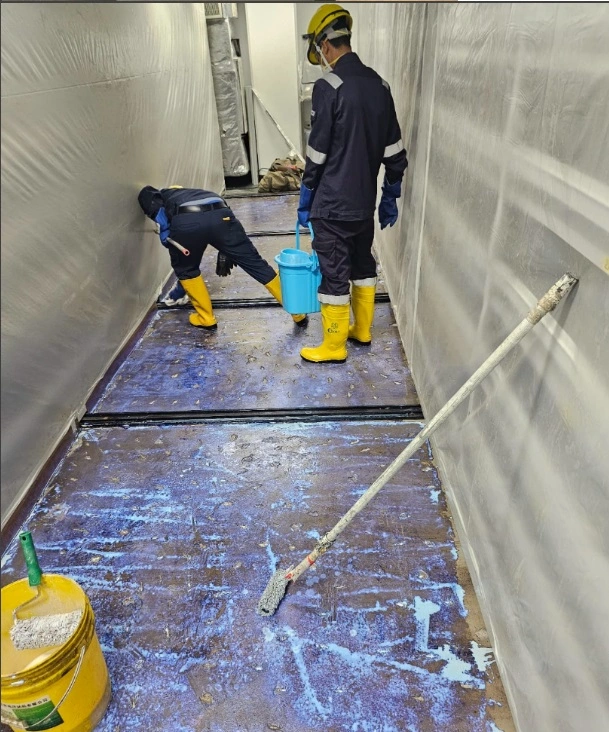
For a deeper comparison, read our guide to the best materials for bathroom cabinets in Singapore. Homeowners planning custom storage can also explore bathroom vanity cabinets in Singapore built for humid wet zones.
Some renovation works in Singapore may require approval from the relevant authorities, building management, or HDB, depending on the property type and scope of work.
Common regulated works may include hacking, plumbing changes, wet-area modifications, and waterproofing-related works.
| Mistake | Possible Consequence |
|---|---|
| Hacking without approval | Stop-work order or reinstatement cost |
| Altering plumbing without consent | Compliance issues and repair liability |
| Hiring unqualified contractors | Poor workmanship and legal risk |
| Skipping management approval | Delays or penalties in condo renovations |
| Ignoring waterproofing rules | Leakage disputes and rectification costs |
Before work begins, ask your contractor which approvals are needed and confirm that the required submissions have been completed.
Many homeowners expect a bathroom renovation to be completed within one or two weeks. That may be possible for simple cosmetic updates, but full renovations usually require more time.
A proper bathroom renovation may involve hacking, waterproofing, curing, plumbing, tiling, fixture installation, cabinetry fabrication, and final inspection.
For full renovations, homeowners should plan with buffer time and avoid scheduling move-ins, events, or travel too close to the estimated completion date.
Bathrooms are wet, humid, and heavily used. Choosing materials based only on appearance can lead to premature damage, especially in Singapore’s climate.
Poor material choices can cause swelling, warping, rusting, staining, mould growth, and frequent maintenance.
| Material | Moisture Resistance | Maintenance Level | Suitability for Singapore Bathrooms |
|---|---|---|---|
| Aluminium | High | Low | Excellent for cabinets, vanities, and wet-zone fittings |
| MDF | Low to moderate | High | Risk of swelling if not properly sealed |
| Plywood | Moderate | Medium to high | Better than MDF but still vulnerable in wet zones |
| Stainless steel | High | Medium | Durable but may show marks or require polishing |
| Solid surface | High | Medium | Good for countertops but can be costly |
| Natural wood | Low to moderate | High | Requires sealing and regular maintenance |
Aluminium is especially suitable for bathroom cabinets and vanities because it is rust-resistant, lightweight, durable, and low-maintenance. For Singapore homeowners, it offers a practical balance of design, durability, and long-term value.
A bathroom renovation is not just a design upgrade. It is an investment in comfort, safety, functionality, and long-term home value.
The best results come from planning early, budgeting realistically, hiring qualified professionals, respecting compliance requirements, and choosing materials that can withstand Singapore’s humid conditions.
T Se7en Alucraft helps Singapore homeowners and contractors create durable, functional, and stylish bathrooms using high-quality aluminium systems designed for tropical environments. For homeowners seeking moisture-resistant bathroom cabinets, vanities, and custom aluminium fittings, T Se7en Alucraft offers practical solutions built for compact modern homes.
At T Se7en Alucraft, we’ve seen it all when it comes to bathroom renovations! The most common mistakes include poor planning not considering space and layout properly. Another frequent pitfall is choosing the wrong materials, which can lead to water damage and costly repairs down the road. Underestimating the budget is another mistake homeowners often make, leading to unexpected expenses. Ignoring ventilation and cutting corners on plumbing and electrical work are also big issues. Planning your renovation with a trusted expert like T Se7en Alucraft can help you avoid these pitfalls.
If you don’t plan your bathroom renovation properly, it can end up being more stressful and expensive than anticipated. T Se7en Alucraft always emphasizes the importance of proper planning, from layout to material selection. Without it, you risk inefficient use of space, poor fixture placement, and higher costs from unforeseen issues like plumbing or electrical problems. By planning ahead with the right team, you avoid these issues and ensure your bathroom renovation is smooth and hassle-free.
When remodeling a bathroom, the biggest blunders often include skipping the ventilation, which can lead to mold and mildew. Many homeowners also fall for trendy materials that aren’t suited for bathroom use, leading to premature wear and tear. At T Se7en Alucraft, we make sure to guide you in choosing the best materials for durability and style. Additionally, not hiring the right professionals can result in shoddy work, costing more in the long run. With T Se7en Alucraft, you can trust that your renovation will be done right the first time.
Homeowners often make the mistake of underestimating costs or neglecting storage options, leading to a cluttered bathroom. Lighting is another aspect frequently overlooked, making a bathroom feel dark and uninviting. Many also fail to consider future needs, such as aging-in-place features or hidden damage like mold. At T Se7en Alucraft, we work with you every step of the way to avoid these mistakes, ensuring your bathroom is both functional and beautiful for years to come.
When renovating a bathroom, avoid overcrowding the space with too many features that make it feel cramped. Cutting corners on materials to save money can backfire, especially with moisture-prone areas like bathrooms. T Se7en Alucraft always recommends high-quality materials that are built to last. Don’t overlook plumbing and electrical work, and make sure you plan for proper ventilation to avoid long-term damage. With our expert team, we’ll help you avoid these common mistakes and create a bathroom you’ll love.
Speak to a professional now and get personalized consultation and guidance for your next renovation. Work with a team you can trust!
Home Blog An aluminium kitchen cabinet carcass is the structural skeleton of your kitchen cabinet, built entirely from aluminium rather than wood, plywood, or MDF....