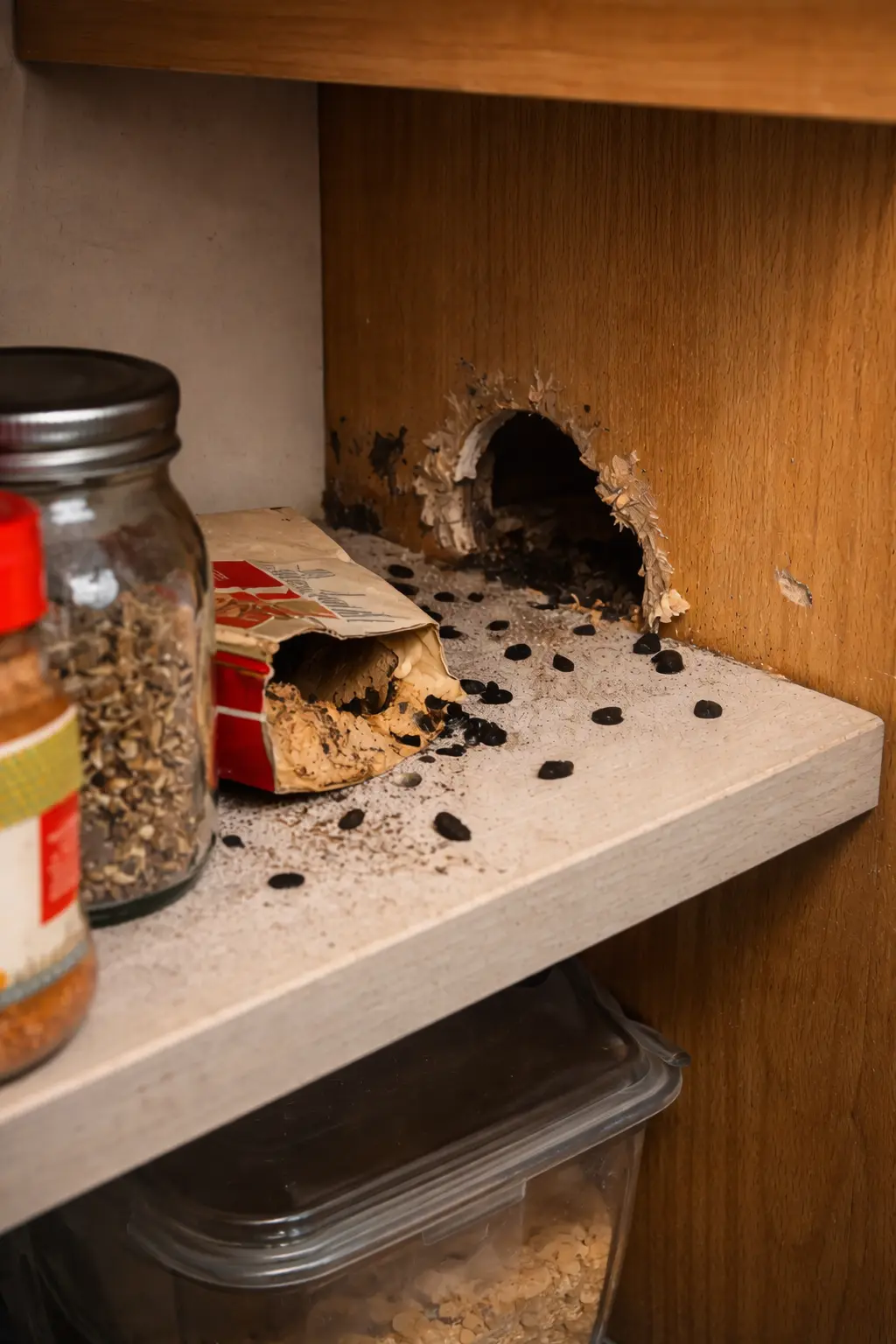
When planning a kitchen renovation, it’s easy to focus on aesthetics and new designs, but it’s crucial not to overlook the hidden problems in your existing kitchen cabinets. From water damage and structural integrity issues to pest infestations and electrical hazards, failing to address these issues early can lead to costly repairs and delays during your renovation process.
Before you dive into the design and layout of your new kitchen, it’s important to inspect your cabinets for any underlying issues. In this guide, we’ll walk you through the most common hidden cabinet problems you need to address before starting your renovation. By doing so, you’ll ensure a smooth, stress-free process and avoid any surprises down the line.
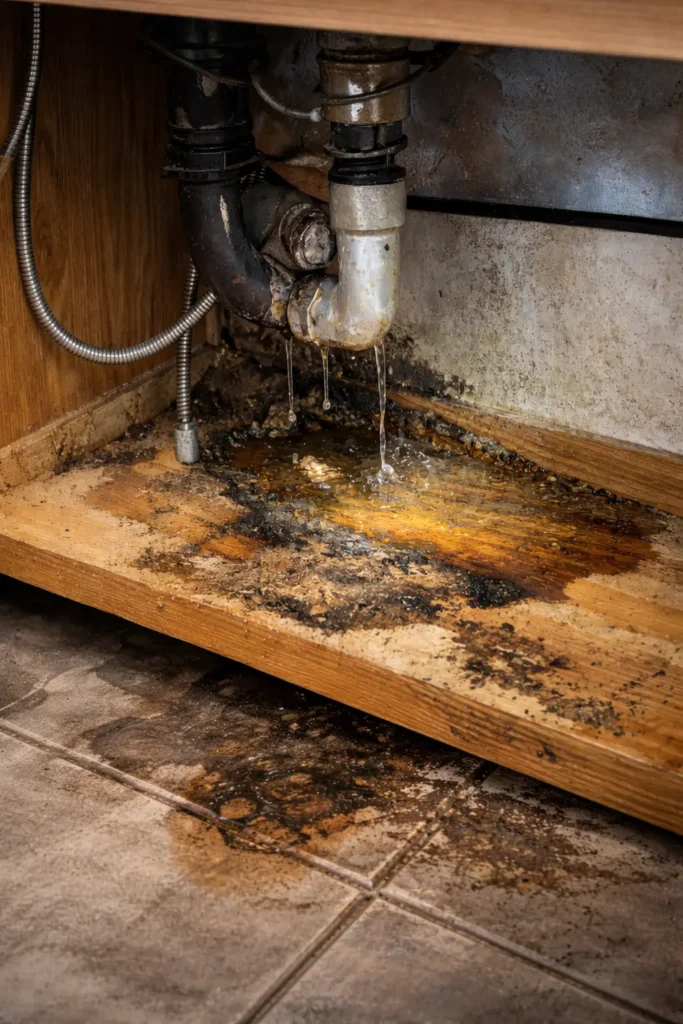
Water damage is one of the most common yet often unnoticed issues in kitchens. It usually occurs around high-moisture areas like the sink base or near dishwashers. If left unchecked, water damage can lead to mold growth, swelling wood, and even cabinet rot, especially in a humid environment like Singapore.
Upgrading to aluminium cabinets can be a smart long-term solution in humid kitchens like those in Singapore, where moisture can cause serious problems for wooden cabinetry.
Related Link: If you’re looking for more advice on cabinet maintenance, check out our guide on how to maintain aluminium kitchen cabinets.
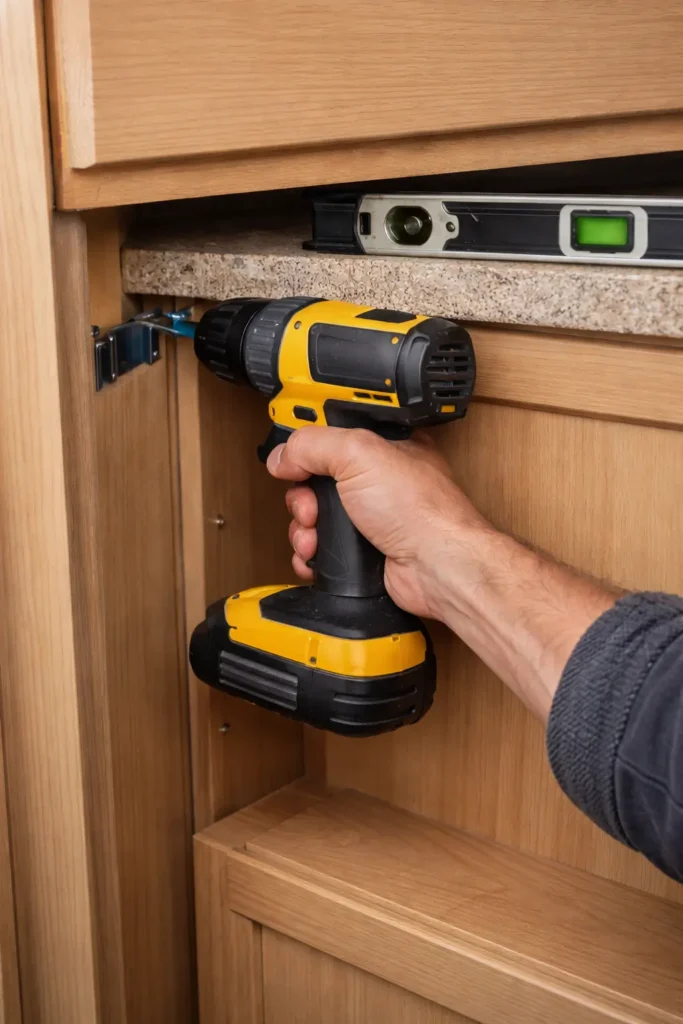
The structural integrity of your cabinets is key to a successful renovation. Weak or damaged cabinets can affect the stability of your new countertops, appliances, and even your overall kitchen layout.
By addressing these issues before your renovation, you’ll avoid the risk of your new countertops or appliances becoming unstable.
Related Link: For more detailed installation tips, read our guide on how to install kitchen cabinets.
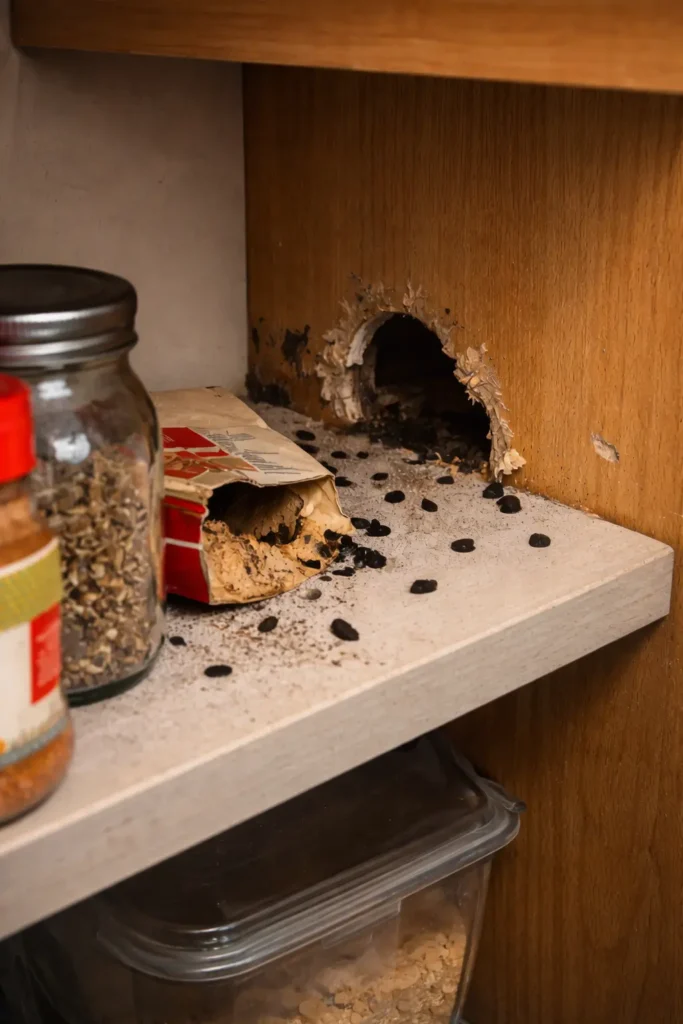
Pests, including termites and rodents, can wreak havoc on your kitchen cabinets, compromising both the structure and hygiene of your home. Infestations can go unnoticed until they cause serious damage.
Taking care of pest infestations early in your renovation will help ensure that your kitchen cabinets stay in good condition.
Related Link: Need more help with your kitchen renovation? Visit our renovation tips for more expert advice.
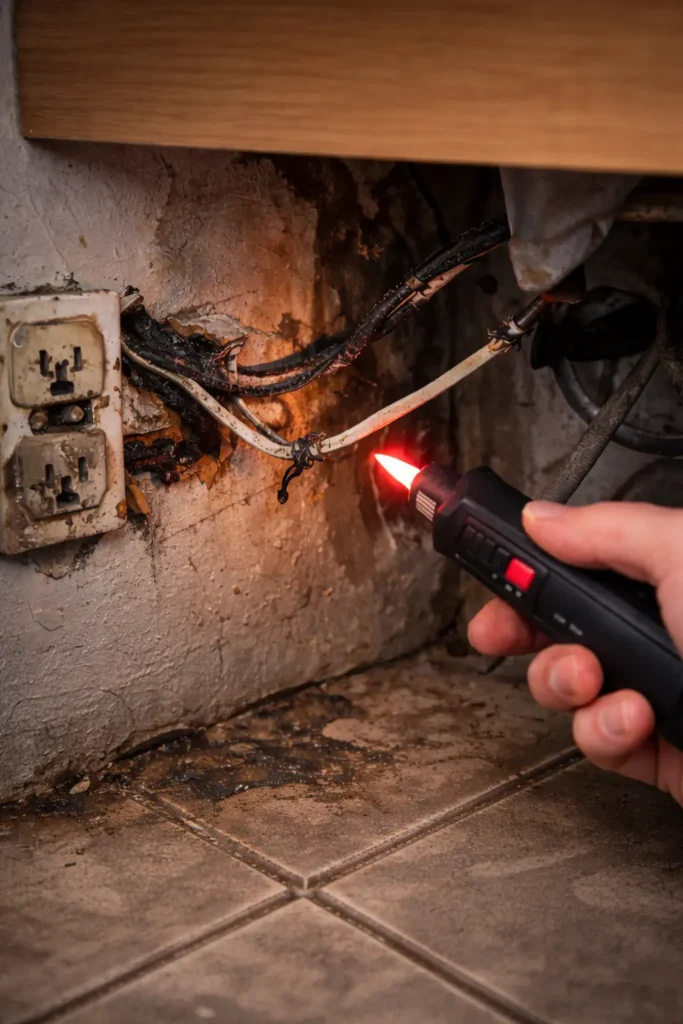
Many older kitchens have outdated wiring that can pose a serious fire hazard, especially when running behind or through cabinetry. If you notice frayed wires, old electrical systems, or signs of overheating, it’s time to address these issues before starting your renovation.
Updating your electrical systems is essential to prevent any issues when installing new kitchen appliances.
Related Link: Learn how to integrate safe kitchen appliance wiring by reading our article on open kitchen design services.
While not strictly related to kitchen cabinets, plumbing and ventilation play a crucial role in your overall kitchen design. Any changes to your kitchen layout may require plumbing lines to be relocated or ventilation systems to be upgraded.
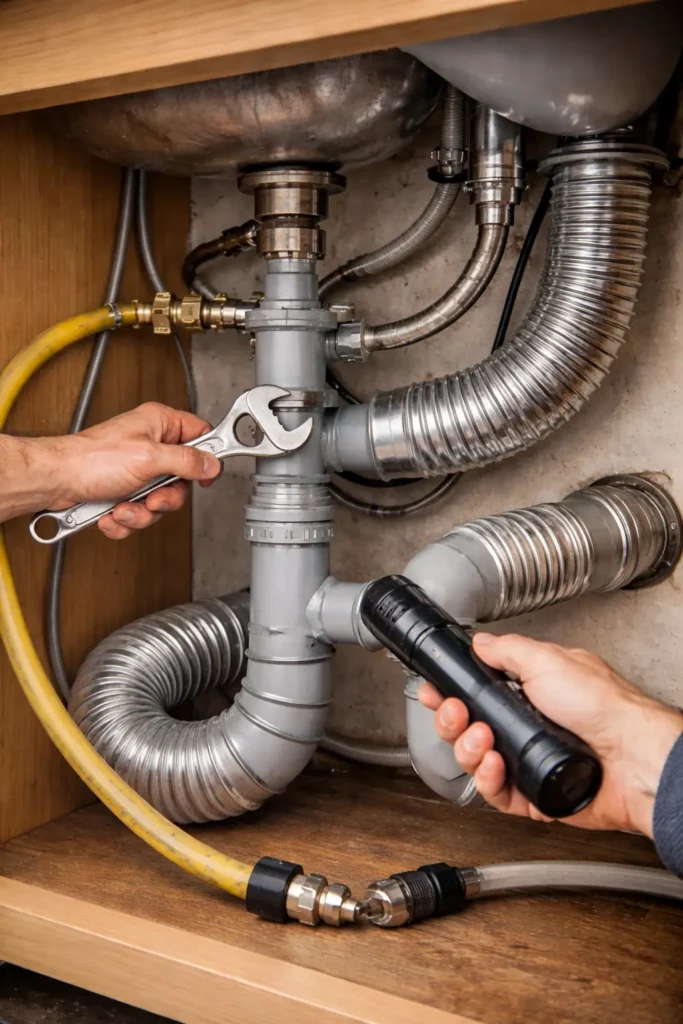
These infrastructure adjustments are crucial for creating a functional, long-lasting kitchen.
Related Link: For more on kitchen renovation timelines and tips, check out our kitchen renovation guide.
Addressing hidden cabinet problems before your kitchen renovation will save you time, effort, and money. Whether it’s water damage, structural issues, pests, electrical hazards, or plumbing/ventilation concerns, dealing with these problems up front will ensure a smoother renovation process.
If you’re considering upgrading to aluminium kitchen cabinets, they offer several benefits in a humid environment, including moisture resistance and durability. This can help prevent the most common hidden cabinet problems, making them a smart choice for your kitchen remodel.
By tackling these hidden issues early on, you’re setting yourself up for a stress-free renovation with cabinets that look and function beautifully for years to come.
Related Link: Looking for more inspiration for custom kitchen cabinets? Explore our selection of designs to find the perfect cabinetry for your renovation at Tse7en Kitchen Cabinets.
Updating your kitchen doesn’t always require replacing cabinets. Instead, consider these budget-friendly updates to refresh the space:
Repaint or Resurface Cabinets: A fresh coat of paint or a new veneer can completely transform the look.
Install New Cabinet Hardware: Swap out old handles or knobs for a modern touch.
Add New Shelving or Open Storage: Open shelving can bring a fresh, contemporary vibe.
Upgrade Lighting: Installing new lighting fixtures, such as pendant lights or under-cabinet lights, can brighten up the room.
Add a Backsplash: A new tile or backsplash can dramatically update your kitchen’s aesthetic.
These small changes can breathe new life into your kitchen without the need for expensive cabinet replacements.
When planning your kitchen layout, here are a few common mistakes to avoid:
Ignoring the Work Triangle: Ensure the sink, stove, and refrigerator are placed in a functional triangular arrangement to optimize workflow.
Not Considering Traffic Flow: Avoid blocking pathways or creating cramped spaces by keeping aisles wide enough for easy movement.
Choosing the Wrong Layout for Your Space: Not all layouts work in every kitchen. For example, an L-shape layout may be more effective than a U-shape in smaller kitchens.
Overcrowding Counter Space: Leave enough room between appliances and workspaces to prevent clutter and maintain efficiency.
Plan your kitchen carefully to make sure your layout maximizes both functionality and comfort.
Here are five key kitchen hazards to watch out for:
Slips and Falls: Wet floors from spills or grease can lead to accidents.
Cuts and Burns: Mishandling knives, hot pans, or stovetops can cause injuries.
Electrical Safety Issues: Faulty wiring or wet hands when using electrical appliances pose a risk.
Fire Hazards: Grease fires, oven malfunctions, or unattended cooking can lead to fires.
Foodborne Illnesses: Improper food handling, such as not washing hands or cross-contaminating raw meat, can cause health risks.
Preventing these hazards requires awareness, safety equipment, and proper kitchen practices.
Common kitchen problems include:
Water Damage: Leaks under the sink or around the dishwasher can lead to mold growth and rotting wood in cabinets.
Cabinet Misalignment: Doors and drawers may shift over time, causing inconvenience.
Outdated Appliances: Old appliances can consume more energy and may no longer function efficiently.
Poor Ventilation: Without proper ventilation, your kitchen can become stuffy and greasy.
Clogged Drains: Slow drains can indicate a clog, which can lead to kitchen sink issues.
Addressing these problems early will help maintain a safe and functional kitchen.
Location: 39 Woodlands Cl, #05-21, Singapore 737856
Phone: +65 9615 9273
Email: marketing@tse7en.com
Website: https://www.tse7en.com
Follow Us on Social Media:
Speak to a professional now and get personalized consultation and guidance for your next renovation. Work with a team you can trust!
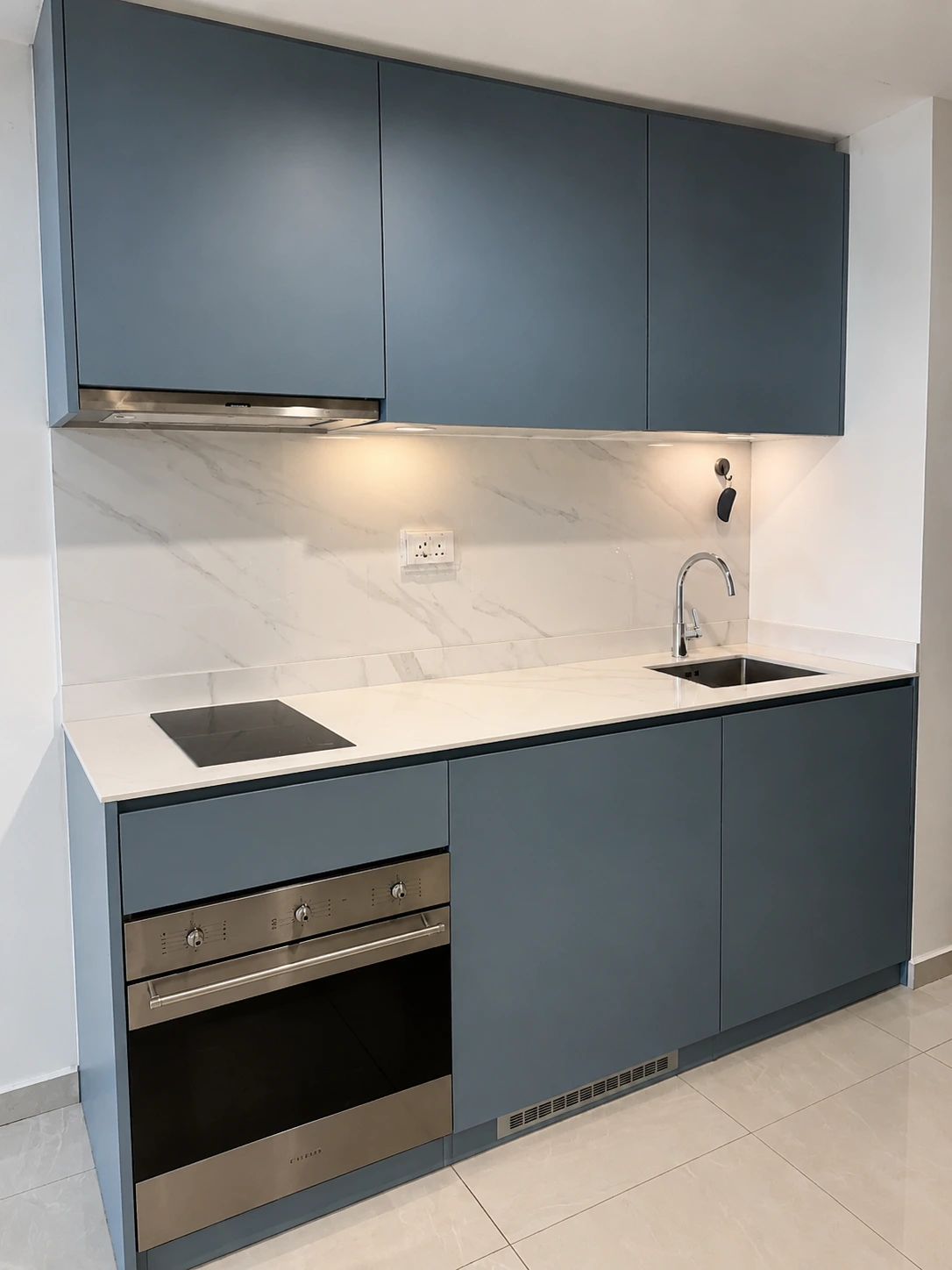
Home Blog Punggol homeowners have more kitchen cabinet options available to them today than at any previous point in Singapore’s renovation history. Choosing the right...