A renovation quotation in Singapore should be compared by scope, materials, quantities, workmanship, timeline, payment terms, warranty, and exclusions — not by price alone. The cheapest quote is not always the best value if it leaves out essentials such as disposal, waterproofing, electrical point counts, carpentry hardware, protection works, or variation order terms.
If you are reviewing 2 to 5 renovation quotes and wondering why one contractor is much cheaper, this guide will help you compare them fairly. Use it to identify hidden costs, standardise quotations, avoid budget surprises, and choose a contractor based on transparency and value instead of the lowest headline price.
For a wider property comparison, you can also read T Se7en Alucraft guide to home renovation cost in Singapore.
A quotation is only comparable when every contractor is pricing the same scope of work.
Before judging the total, standardize these:
Areas included (kitchen only? kitchen + bathrooms? whole home?)
Works included (hacking? tiling? carpentry? plumbing relocation? rewiring?)
Exclusions (appliances, sanitaryware, permits, hauling, waterproof test)
Material specs (tiles series, countertop type, cabinet door finish, hinge/runners)
Timeline (start date, duration, work sequence)
Best practice: create a simple “Scope Sheet” (1 page) and send it to every contractor.
Without this, you’re not comparing quotes you’re comparing assumptions.
If your renovation includes kitchens, link this guide to your planning hub:
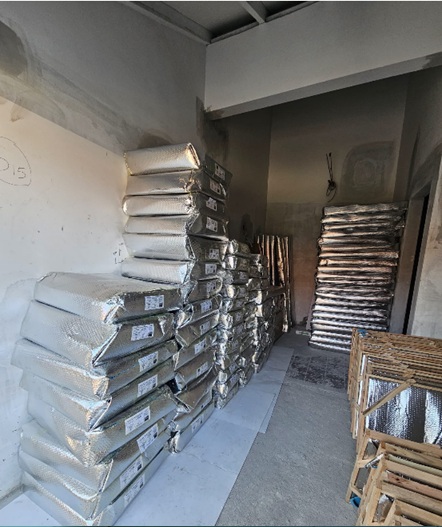
Even with a well-detailed quotation, hidden costs can arise. One area to watch for is materials. For instance, the image here shows the delivery and storage of tiles, a key material in most renovation projects. Before signing any contract, ask every contractor the following questions:
Material quantities: How much material is required for the renovation, and what are the specific materials being used (e.g., type of tiles, countertops, or cabinetry)?
Cost of materials: Ensure that the quotation includes the correct material pricing and not placeholder estimates.
Delivery charges: Sometimes, delivery fees or material handling can be extra, so be sure to inquire about them.
Waste disposal: Make sure the quote covers the disposal of unused materials or packaging waste.
By clarifying these details, you avoid unexpected costs during the project. Ensure that these material specifications are included in your Scope Sheet to compare quotes fairly.
A strong quote should be itemized (not lump sum), with quantities where possible (sqm/ft/run) and clear specs.
Floor/wall protection and dust control
Debris disposal / hauling
Daily cleaning and site management
Lift protection / common area protection (if relevant)
🚩 Red flag: “Protection and cleaning” not mentioned anywhere.
What exactly is hacked (tiles, cabinets, walls)
Disposal included or charged separately?
Reinstatement after hacking (patching, leveling, waterproof prep)
Number of power points included
Lighting points (ceiling, feature, under-cabinet)
DB works (if needed) and approval/inspection approach
🚩 Red flag: quote says “electrical works” without stating how many points.
Relocation of sink points
New piping / replacement scope
Tap and fittings installation scope
Waterproofing details (how many coats, where applied)
Tiles: brand/series or at least grade + size + area
Floor gradient/slope and drainage notes
Waterproofing test / re-test steps (if included)
A carpentry quote should specify:
Carcass material type
Door finish type (laminate / acrylic / aluminium system)
Edgebanding type
Hardware specs: hinges, drawer runners, soft close, brand/model
Accessories: pull-out pantry, corner solutions, dish rack, tall unit
If you need a reliable carpentry baseline visit our Free Cabinet Consulatations.
Material (quartz / solid surface / compact / granite)
Thickness and edge profile
Cut-out costs (sink, hob) and sealing
Upstands / backsplash coverage
Paint brand/type, number of coats
Touch-up policy after installation
Defects liability period (DLP) timeline
Warranty details (workmanship vs product)
Rectification procedure and response time
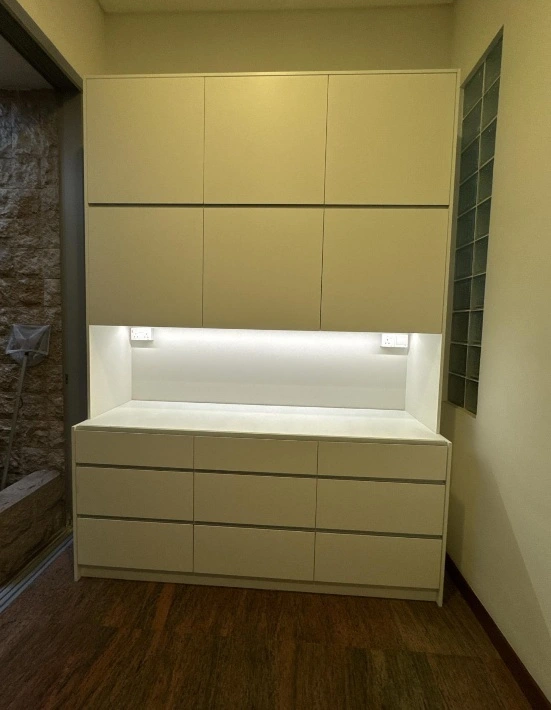
When comparing renovation quotes, be sure to account for the type of cabinetry and carpentry included in the scope of work. For instance, custom-built cabinets, like the one shown here, can vary significantly in price based on:
Design complexity: Custom cabinetry often involves detailed design work, which can increase labor costs.
Material selection: Higher-end materials such as solid wood or premium finishes will raise the overall cost.
Functionality features: Adding specialized hardware or incorporating features like pull-out pantry systems or soft-close mechanisms can further impact pricing.
Including specific details like these in your Scope Sheet (a key document to standardize your quotes) ensures that each contractor is pricing the same work. This helps avoid hidden costs and ensures you’re comparing “apples-to-apples” when assessing contractor quotes for cabinetry.
Use this checklist to score each quote fairly.
For timeline expectation setting check this renovation timeline
You’ll often see lines like:
“Tiles allowance: $X”
“Sanitaryware allowance: $X”
“Electrical allowance: $X”
These are not fixed costs they’re placeholders.
Contractor A uses low allowances (looks cheap)
Contractor B uses realistic allowances (looks expensive)
Final cost ends up similar or higher for A after upgrades
Fix this by standardizing allowances across all quotes:
set the same tile budget per sqm
same sanitaryware budget
same hardware/accessories list
Ask every contractor these exact questions:
What is excluded? Provide a written exclusions list.
Is debris disposal included? Any extra haulage fees?
How many power points and lighting points are included?
Is waterproofing test included? How many coats? Where applied?
Does carpentry include soft-close hardware? What brand?
Are countertop cut-outs and sealing included?
Are protection and cleaning included?
How are variation orders priced and approved?
If answers are unclear or inconsistent, that quote is high-risk.
Low quotes typically happen for 4 reasons:
Missing scope (the bill arrives later)
Unspecified materials (downgrade without you realizing)
Big provisional sums (final cost increases after selection)
VO-heavy approach (profit via changes)
Better strategy: choose the quote that is most transparent and complete, then negotiate value:
clearer specs
upgraded hardware
stronger warranty terms
better protection/cleanup
Not just a cheaper headline number.
Score each contractor 1–5:
Scope completeness
Material/hardware clarity
Quantities & itemization
Timeline realism
Payment fairness
Warranty & DLP clarity
VO process transparency
Communication clarity
Pick the top 2 scorers, then meet to confirm:
exact scope + inclusions
sample finishes and hardware
supervision plan
written VO policy
Before you sign or pay a deposit, request:
final itemized quote with specs
drawings/layout confirmation where relevant
project timeline and milestones
payment schedule
warranty + defects liability in writing
variation order process in writing
These documents reduce disputes and protect your budget.
A renovation quotation isn’t just about the final price it’s about clarity, scope, and accountability. When you compare quotes fairly (same scope, same allowances, itemized breakdown, realistic timeline, and a written variation order process), you protect your budget and avoid stressful “top-up” surprises halfway through the project.
If you’re currently shortlisting contractors, use this guide as your checklist then choose the team that is most transparent on materials, quantities, inclusions, and warranty/DLP, not just the cheapest headline number.
At T Se7en Alucraft, we focus on clear, structured quotations that make it easy for homeowners to compare “apples-to-apples” with proper scope details, realistic allowances, and a renovation plan that supports smoother execution. When you’re ready, explore our services or request a consultation to review your scope and get a quotation that’s built for confidence, not confusion.
Location: 39 Woodlands Cl, #05-21, Singapore 737856
Phone: +65 9615 9273
Email: marketing@tse7en.com
Website: https://www.tse7en.com
Follow Us on Social Media:
Speak to a professional now and get personalized consultation and guidance for your next renovation. Work with a team you can trust!
Home Blog HIP is HDB’s upgrading programme for older flats. It covers compulsory repairs such as concrete defects and ageing waste pipes at a very...