Shoe cabinet problems such as bad smells, mould growth, and moisture buildup usually happen because of poor ventilation, damp footwear, and unsuitable storage conditions. In Singapore’s humid climate, a well-designed shoe cabinet should manage airflow, control moisture, and use suitable materials to keep shoes protected and storage areas fresh.
A shoe cabinet usually smells because shoes bring moisture, sweat, dirt, and bacteria into an enclosed space. When there is insufficient airflow, these elements become trapped and create unpleasant odours. In Singapore, where humidity levels are high throughout the year, preventing shoe cabinet smells requires proper ventilation, drying habits, and suitable cabinet materials.
| Cause | Why It Happens | Solution |
|---|---|---|
| Wet shoes stored immediately | Moisture becomes trapped inside shelves | Allow shoes to dry before storage |
| Poor airflow | Odours cannot escape easily | Improve cabinet ventilation |
| Overcrowded shelves | Shoes receive less air circulation | Leave enough spacing |
| High humidity | Encourages bacteria and mould growth | Use moisture-control methods |
| Dirty footwear | Dirt and bacteria accumulate | Clean shoes regularly |
Cleaning alone may temporarily remove odour, but the long-term solution is reducing moisture and improving airflow.
Start by:
Avoid storing wet shoes immediately after:
Before placing shoes inside:
✅ Remove excess water
✅ Wipe dirt away
✅ Allow shoes to air dry
✅ Separate damp footwear
Benefits: Perfect for maximizing space efficiency, especially in compact homes like HDB flats and smaller condos.
Features: Custom-fitted to optimize every inch of available space, providing a seamless and integrated look.
A completely sealed cabinet may trap humidity and smells.
Better designs include:
For homeowners comparing storage designs, explore our guide on best shoe cabinets for small entryways.
Mould develops when moisture, warmth, and poor ventilation combine. Singapore’s humid environment can increase mould risk, especially when wet shoes are stored inside enclosed cabinets with limited airflow.
Common signs include:
To prevent mould in a shoe cabinet, reduce moisture, improve airflow, and choose materials that can handle Singapore’s humid climate. The most effective solutions are drying shoes before storage, avoiding overcrowding, adding ventilation features, and selecting moisture-resistant materials such as aluminium or other suitable cabinet finishes.
The first step is preventing excess moisture from entering the cabinet.
Good habits include:
Ventilation helps prevent stagnant air and moisture buildup.
A well-designed shoe cabinet may include:
| Feature | Benefit |
|---|---|
| Ventilation slots | Allows humid air to escape |
| Back airflow gaps | Improves circulation |
| Shelf spacing | Reduces trapped moisture |
| Open sections | Helps shoes dry faster |
Material selection plays an important role in humid environments.
| Material | Advantages | Considerations |
|---|---|---|
| Aluminium | Moisture resistant, durable, easy maintenance | Higher initial investment |
| PVC | Water resistant and practical | Different aesthetic finish |
| Solid wood | Premium natural appearance | Requires proper protection |
| MDF | Affordable option | Less suitable for high humidity |
Learn more about best materials for durable shoe storage.
Shoe cabinet ventilation allows air movement inside the cabinet, reducing trapped humidity, unpleasant smells, and mould risk. Without proper airflow, moisture from footwear remains inside the storage area and can affect both shoes and cabinet lifespan.
To improve shoe cabinet ventilation, create better airflow inside the cabinet by adding ventilation openings, avoiding overcrowded storage, and designing the cabinet according to your shoe quantity and home layout. Proper ventilation helps reduce trapped moisture, prevent unpleasant smells, and lower the risk of mould growth, especially in Singapore’s humid climate.
Ventilation can be improved through:
Too many shoes inside a cabinet can block airflow.
A practical layout should allow:
A good shoe cabinet should consider:
| Factor | Why It Matters |
|---|---|
| Entryway size | Prevents overcrowding |
| Number of shoes | Determines cabinet capacity |
| Family usage | Affects storage layout |
| Shoe types | Different footwear needs space |
| Ventilation needs | Helps control moisture |
For a customised solution designed around your space, explore our shoe cabinet Singapore solutions.
No. Shoe cabinets do not damage shoes when they are designed properly. Most problems happen because of poor airflow, trapped moisture, overcrowding, or unsuitable materials.
A well-designed shoe cabinet helps protect footwear from:
Alternatively, use well-made racks that are made to space out all your shoes, at the same time, maximizing the little space that we have in Singapore! Watch the video below for a greater understanding.
@tse7en 100% aluminium cabinet home renovation Beautiful and cozy full home renovation in punggol with industrial design with rotating shoe rack Full height tinted mirror and full height glass with concealed shelter and wooden finish #tse7en #renovation #aluminiumcabinets ♬ original sound - T Se7en Alucraft | Singapore
To choose a shoe cabinet that prevents smell, mould, and moisture problems, focus on three important factors: ventilation design, material selection, and storage capacity. A good shoe cabinet should allow airflow, use materials suitable for Singapore’s humid climate, and provide enough space for your household’s footwear without overcrowding.
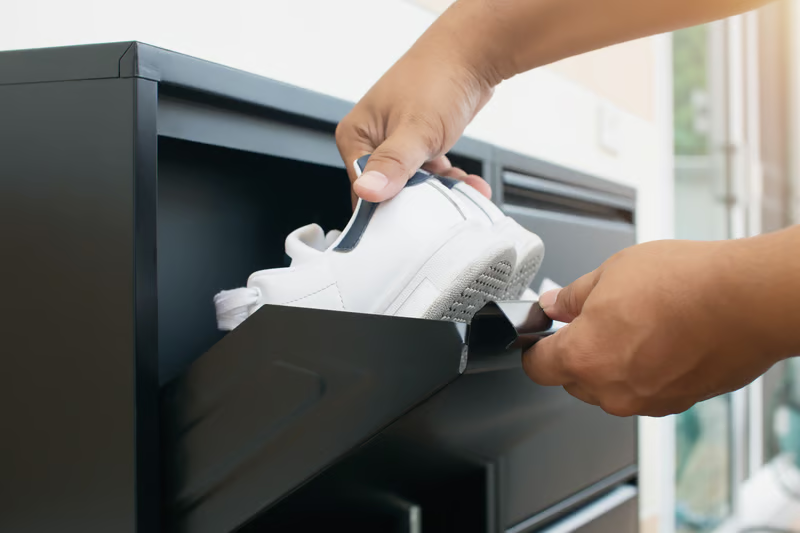
Look for:
✅ Airflow gaps
✅ Ventilated doors
✅ Proper shelf spacing
Avoid cabinets that completely trap air.
For Singapore homes, consider materials that can handle humidity.
Examples:
A shoe cabinet should match your lifestyle.
Consider:
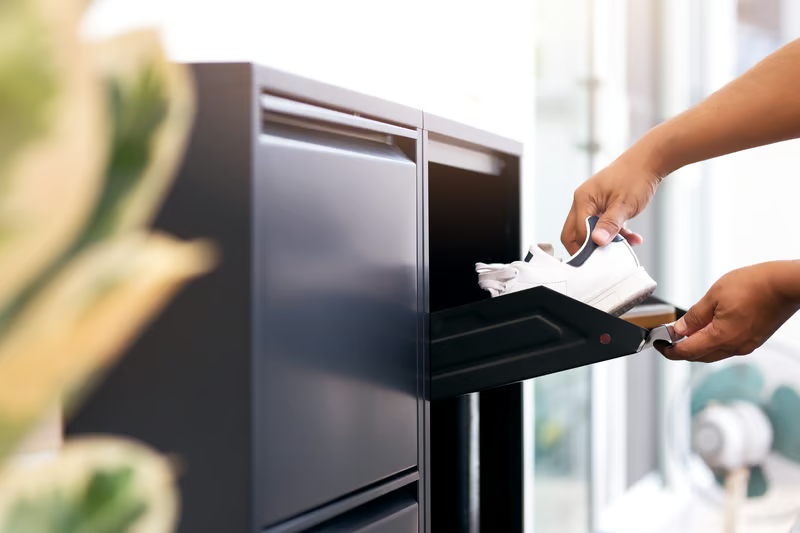
Custom aluminium shoe cabinets are a practical option for Singapore homes because aluminium is moisture resistant, durable, and easy to maintain. For homeowners dealing with shoe cabinet smell, mould, or poor ventilation, a customised design can improve airflow, fit the available space properly, and support long-term storage needs.
Choosing the right material and design can make a significant difference when dealing with shoe cabinet problems such as moisture, odour, and mould.
T Se7en Alucraft is a custom cabinet maker located in Woodlands, Singapore, specialising in customised aluminium cabinet solutions for residential spaces.
Aluminium is often chosen for cabinet applications because it offers:
A customised aluminium shoe cabinet can be designed according to:
Instead of adapting your home to a standard cabinet size, a customised approach allows the storage solution to fit your space properly while addressing common issues such as limited airflow, trapped moisture, and odour buildup.
| Frequency | Maintenance Task |
|---|---|
| Daily | Allow wet shoes to dry before storage |
| Weekly | Check for unusual smells or moisture |
| Monthly | Clean shelves and cabinet surfaces |
| Every 3 months | Inspect for mould and deep clean |
Shoe cabinet problems in Singapore homes are usually caused by three factors: trapped moisture, insufficient airflow, and materials that are not suitable for humid conditions. The most effective solution is choosing a cabinet design that supports proper ventilation, protects against moisture, and matches your household’s storage needs.
Before choosing a shoe cabinet, homeowners should consider:
| Consideration | Why It Matters |
|---|---|
| Ventilation design | Helps reduce trapped odours and humidity |
| Material choice | Improves durability in Singapore’s climate |
| Storage layout | Prevents overcrowding and improves accessibility |
| Maintenance needs | Keeps the cabinet cleaner for longer |
A well-designed shoe cabinet is not just a storage unit. It helps protect footwear, maintain a cleaner entryway, and provide a more practical daily storage solution.
For homeowners considering customised solutions, T Se7en Alucraft, a custom cabinet maker in Woodlands, Singapore, specialises in aluminium cabinet designs that focus on durability, moisture resistance, and space-efficient storage for residential homes.
The right shoe cabinet design works with Singapore’s climate helping homeowners reduce common issues such as smell, mould, and moisture buildup while creating a more organised living space.
Cleaning removes dirt and surface bacteria, but a shoe cabinet may continue to smell because the underlying issue is often trapped moisture and limited airflow rather than cleanliness alone. Shoes naturally collect sweat, rainwater, dust, and bacteria during daily use, and when these are stored inside an enclosed cabinet, unpleasant odours can build up over time.
A longer-term solution involves addressing the cabinet environment itself. Homeowners should allow shoes to dry completely before storage, avoid overcrowding shelves, improve ventilation, and choose cabinet materials that are easier to maintain in Singapore’s humid climate. If the smell returns quickly after cleaning, it is usually a sign that moisture control or airflow needs improvement.
Yes, a shoe cabinet should have ventilation openings or airflow gaps because proper ventilation helps reduce moisture buildup, trapped odours, and mould risk. A completely sealed cabinet may prevent dust from entering, but it can also trap humidity from damp footwear and Singapore’s naturally humid environment.
Effective ventilation does not require large openings. Well-designed solutions may include ventilated doors, gaps at the back panel, spaced shelving, or airflow channels that allow humid air to escape while keeping the cabinet functional. The goal is to create enough circulation to keep shoes dry without compromising storage capacity or appearance.
The best way to prevent mould in a shoe cabinet is to control moisture, improve airflow, and avoid creating a damp environment where mould can grow. Mould typically develops when moisture, warmth, and poor ventilation exist together for extended periods.
To reduce mould risk, homeowners should avoid storing wet shoes immediately after rain, clean dirt and moisture from footwear, leave enough space between shoes, and inspect cabinet corners regularly for early signs of mould. In Singapore homes, choosing moisture-resistant materials and a cabinet design with proper ventilation can provide better long-term protection compared with relying only on cleaning products.
The best shoe cabinet material for Singapore depends on your priorities, but moisture-resistant materials such as aluminium are often suitable because they handle humid conditions well and require less maintenance over time. Unlike materials that may absorb moisture, aluminium provides durability and resistance against common issues associated with damp environments.
However, material choice should also consider design preferences, budget, and usage. Aluminium is a strong option for homeowners who prioritise longevity and easy maintenance, while other materials may suit homeowners who focus more on appearance or cost. The most suitable choice is one that balances durability, ventilation, and the conditions of the space where the cabinet will be installed.
A shoe cabinet should generally be cleaned every few months, but the ideal frequency depends on how often it is used, the number of shoes stored, and whether footwear is regularly exposed to rain or outdoor conditions. Homes with higher shoe usage or frequent rainy weather may require more frequent checks.
A proper maintenance routine includes wiping shelves, removing dust and dirt, checking for moisture, and inspecting corners for early mould growth. Regular maintenance helps prevent odour buildup and allows homeowners to identify ventilation or moisture problems before they affect the cabinet and stored footwear.
Speak to a professional now and get personalized consultation and guidance for your next renovation. Work with a team you can trust!
Home Blog HIP is HDB’s upgrading programme for older flats. It covers compulsory repairs such as concrete defects and ageing waste pipes at a very...