T Se7en Alucraft helps Singapore homeowners plan partial and full home renovation projects with practical layouts, durable custom aluminium fixtures, kitchen and bathroom upgrades, and coordinated storage solutions. With over 30 years of industry experience, the company supports homeowners from consultation to handover, helping them define renovation scope, compare quotations clearly, and choose solutions suited to HDB flats, condos, resale homes, and landed properties.
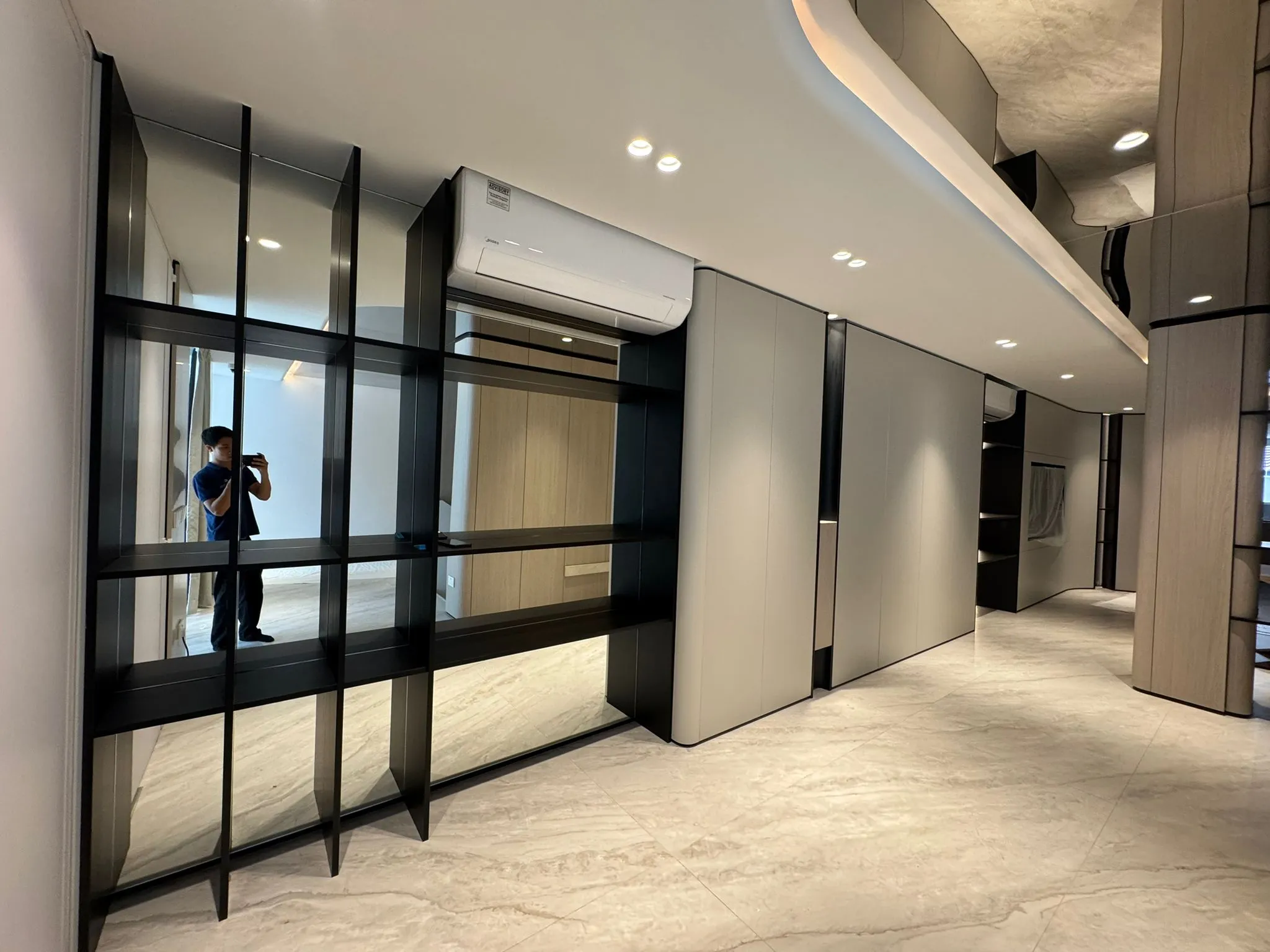
A home renovation should improve both appearance and daily function. Layout, storage, kitchen workflow, bathroom usability, materials, and finishes need to be planned together so the finished home is easier to live in, clean, maintain, and use every day.
T Se7en Alucraft combines more than 30 years of industry experience with a specialist focus on custom-made aluminium fixtures for homes and businesses in Singapore. Its renovation solutions are designed for local conditions, with an emphasis on durability, moisture resistance, practical layout use, and long-term performance.
T Se7en Alucraft supports homeowners who want:
| Homeowner Need | Relevant Service |
|---|---|
| A clearer renovation scope | Renovation Contractor Services |
| Better kitchen planning | Kitchen Renovation |
| More usable bathrooms | Bathroom Renovation |
| Custom carpentry and storage | Cabinet Maker Services |
| Space-saving storage solutions | Storage Solutions Design |
| Early design planning support | Design Consultation |
| Durable aluminium fixtures | Aluminium Fixture Installation |
Home renovation is the improvement of living spaces through planning, design coordination, trade work, material selection, installation, and finishing. It may involve selected upgrades or a coordinated whole-home transformation.
For homeowners comparing service options, it helps to review the full T Se7en Alucraft services page before deciding whether the project should be partial, full, or focused on specific areas such as the kitchen, bathroom, carpentry, or interior design.
A partial renovation focuses on selected spaces that have the highest daily impact. These often include the kitchen, bathrooms, bedrooms, storage areas, lighting, flooring, or feature walls.Partial renovation is usually suitable when the existing layout still works, but selected areas need improvement.
A full home renovation involves coordinated work across multiple spaces so the layout, finishes, carpentry, kitchen, bathroom, storage, and lighting work together as one system.Full renovation is usually more suitable for resale homes, older units, or households that want a more unified result across the entire property.
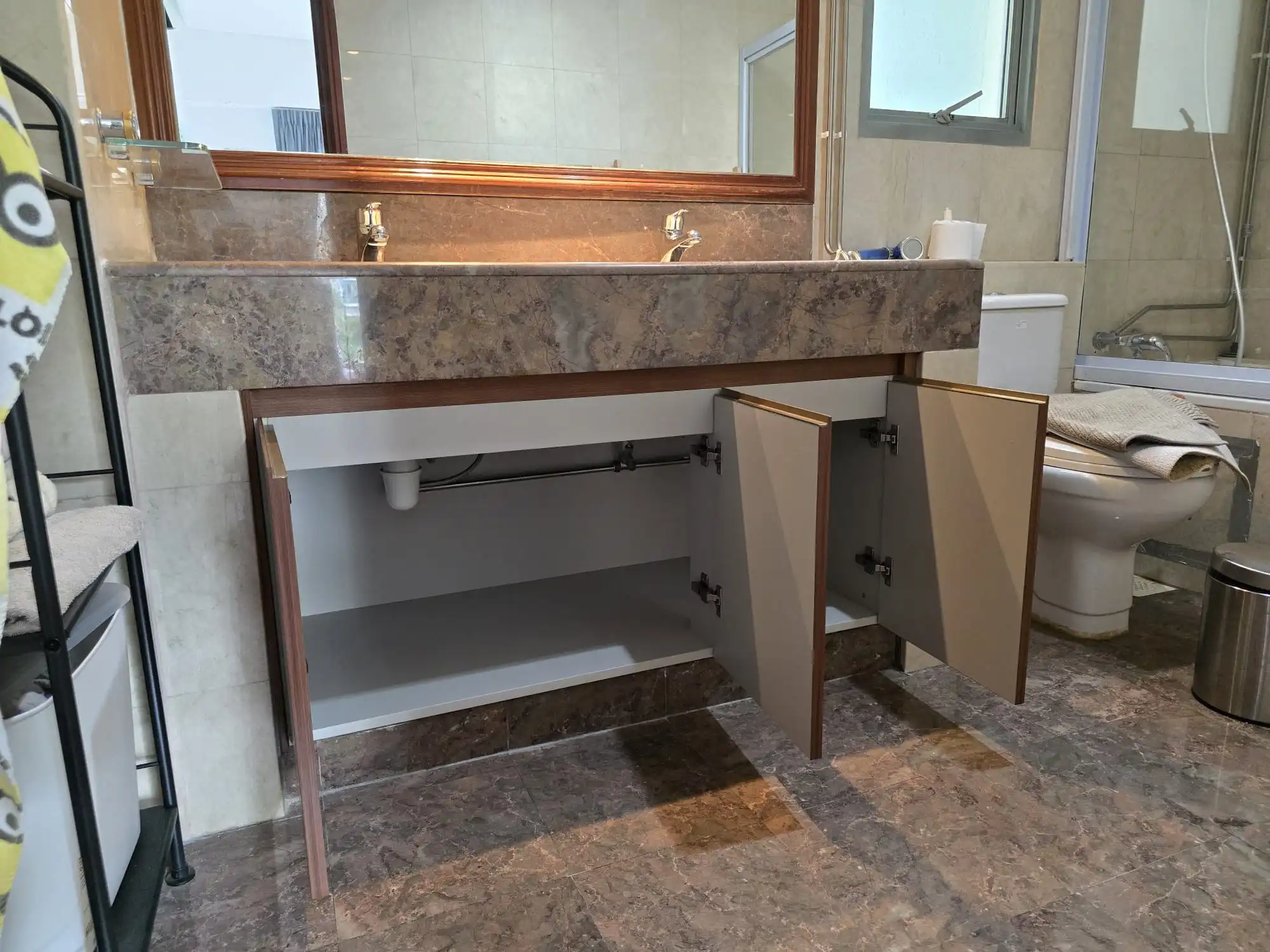
A home renovation project can range from selected upgrades to a whole-home transformation. The right scope depends on property type, current unit condition, household needs, and budget.
| Renovation Category | What It Usually Covers | Relevant Service Page |
|---|---|---|
| Space planning | Layout review, traffic flow, furniture placement, and better use of tight areas | Interior Design |
| Kitchen renovation | Cabinets, countertops, backsplash, sink, tap, lighting, and workflow planning | Kitchen Renovation |
| Bathroom renovation | Tiling, vanity, fittings, shower screens, ventilation, and safety improvements | Bathroom Renovation |
| Carpentry | Wardrobes, kitchen cabinets, TV consoles, study desks, vanity storage, and feature storage | Cabinet Maker |
| Custom fixtures | Aluminium fittings, custom-built fixtures, and durable home installations | Aluminium Fixture Installation |
| Storage planning | Built-in storage, compact-space solutions, and functional cabinetry | Storage Solutions Design |
| Doors, windows, and custom furniture | Functional fittings and custom-made furniture elements | Custom Furniture |

A full-home scope is usually better when the property needs coordinated upgrading across multiple areas instead of isolated changes. This often applies to resale flats, older HDB units, condos with outdated layouts, or homes where the kitchen, bathrooms, flooring, and carpentry all need attention.
| Choose Selected Upgrading When… | Choose Full Home Renovation When… |
|---|---|
| The layout is still functional | Multiple spaces need coordinated upgrading |
| Only some finishes need updating | Kitchen and bathrooms both need work |
| The budget is focused on key areas | Built-in carpentry needs to be redesigned |
| The kitchen or bathroom is the main priority | Flooring, finishes, and storage are outdated |
| You want a smaller scope first | You want a more unified home outcome |
For homeowners unsure which scope is right, start with a design consultation or cabinet design consultation before confirming the renovation plan.
Different homes need different renovation strategies. A resale flat does not have the same planning needs as a new condo, and a landed home usually requires broader coordination than a compact apartment.
HDB homeowners often prioritise practical layouts, better storage, kitchen workflow, bathroom upgrades, and efficient use of space. If you are planning works for a flat, especially a resale or older unit, it helps to review common HDB renovation cost in Singapore benchmarks before requesting quotations.
Landed homes often require wider scope, more detailed planning, and better coordination across larger living areas or multiple levels.
Condo renovation usually needs tighter space planning, cleaner storage integration, and stronger coordination across kitchen, wardrobe, bathroom, and lighting design.
Resale renovation usually involves more replacement work, more rectification, and more decisions about what to keep, repair, or rebuild. Hidden defects, ageing finishes, and changing household needs can all affect cost and timeline.
The most common renovation priorities usually start with the kitchen and bathroom, then expand into carpentry, storage, and interior design coordination for a more cohesive result.
Space is a premium in Singapore’s urban living, especially for small apartments and HDB flats. At T Se7en Alucraft, we specialize in creating space-saving solutions for bathrooms of all sizes. Whether you’re looking to maximize storage in a compact condo bathroom in Bugis or enhance a family bathroom in Pasir Ris, we offer smart design solutions that make your bathroom feel more spacious and functional. Our approach integrates perfectly with our kitchen renovation expertise, creating cohesive storage solutions throughout your home.
The kitchen is often one of the highest-priority spaces because it affects storage, movement, appliance placement, countertop use, and daily routines.
Typical kitchen renovation work may include:
Bathroom work affects comfort, maintenance, safety, and daily convenience. A better bathroom should be easier to use, easier to clean, and better suited to the household’s needs.
Typical bathroom renovation work may include:
Built-in carpentry shapes how practical the home feels after renovation. Smart storage can improve bedrooms, kitchens, study corners, living rooms, and entry areas.
Typical carpentry work may include:
Good design should support real life, not just appearance. Layout decisions, materials, finishes, and custom details all affect budget, buildability, and long-term usability.
If you want early planning support before committing to the full job scope, you can start with a design consultation.
The cost of home renovation depends on the work scope, the size and condition of the property, and the amount of custom work involved.
property type unit size, new or resale condition, demolition requirements, carpentry quantity, kitchen work scope, bathroom work scope, flooring and tiling materials,electrical and lighting work, finish quality and design detail, coordination complexity across trades.
In many projects, the highest-cost components are:custom carpentry, kitchen renovation, bathroom renovation, flooring replacement, larger rectification work in resale homes.
A quotation should show more than a total number. It should explain:what is included, what is excluded, which assumptions affect pricing, which items are provisional, where cost risk is highest,
Before comparing quotes, review our renovation quotation guide and, if relevant, benchmark against typical HDB renovation cost ranges in Singapore.
Renovation timelines are shaped by planning quality, site condition, design decisions, material lead times, and trade coordination.
consultation and needs review, site visit or floor plan review, scope definition, quotation preparation, design coordination, material selection, scheduling and work planning, renovation works, touch-ups and final checks, handover.
unclear scope at the beginning, design changes after work starts, hidden site issues, material lead times, coordination gaps between trades, quotation revisions during the project.
The more clearly the project is defined at the start, the easier it becomes to:compare quotations fairly plan carpentry accurately coordinate kitchen and bathroom works reduce mid-project changes keep the project moving more smoothly
For a clearer view of sequencing and common delay points, see our kitchen renovation timeline and delays checklist.
Choosing a home renovation contractor is about more than getting the cheapest quote. The right contractor should be able to define the work clearly, explain trade-offs, and manage the renovation with practical coordination.
clear understanding of your property type, realistic scope recommendations, transparent quotation structure, experience coordinating multiple work categories, practical planning for budget and timeline, ability to explain options clearly.
What renovation scope makes sense for this property?, Which work items will affect cost the most?, What should be done first?, What is included in the quotation?, What are the likely risk areas?, What timeline is realistic for this scope?.
A better consultation leads to a better renovation plan and a more accurate quotation.
Prepare these before your first discussion:
| Item to Prepare | Why It Helps |
|---|---|
| Floor plan | Helps the contractor review layout and measurements |
| Property type | HDB, condo, landed, and resale homes have different requirements |
| Unit size | Helps estimate scope and material requirements |
| Site photos | Shows current condition and possible constraints |
| New or resale status | Helps identify likely rectification needs |
| Target move-in date | Supports timeline planning |
| Budget range | Helps match scope to realistic options |
| Must-change areas | Clarifies renovation priorities |
| Preferred design examples | Helps align materials, finishes, and visual direction |
Start with a design consultation or cabinet design consultation if you want planning support before confirming the full renovation scope.
To make this page convert better, add a proof section here with real project examples. Visitors can also browse your project gallery to see completed styles, finishes, and renovation details.
Home renovation cost depends on property type, unit size, whether the unit is new or resale, and how much work is needed for carpentry, kitchen, bathroom, flooring, lighting, and finishing. The most accurate estimate comes from reviewing your floor plan, site condition, and target scope together.
A full-home renovation can include kitchen renovation, bathroom renovation, built-in carpentry, flooring, tiling, painting, electrical works, lighting, storage solutions, and finish upgrades across multiple areas of the home.
Home renovation is the broader service term. Full house renovation is one scope within it. A full house renovation usually involves broader upgrading across the home instead of only selected areas.
Timelines vary based on scope, material lead times, and project coordination. A broader project involving multiple rooms, custom carpentry, and kitchen and bathroom works usually takes longer than a simple partial renovation.
Partial renovation is better when only selected spaces need upgrading. Full renovation is better when multiple areas need to work together or when the home needs a more complete transformation.
Compare scope, inclusions, exclusions, assumptions, material details, and payment stages. Do not compare only the final total. A cheaper quote is not always better value if important items are missing or vague.
Choose a contractor who understands your property type, explains the scope clearly, gives practical recommendations, and provides enough detail for you to compare budget, timeline, and execution properly.
Whether you are comparing home renovation companies or planning a broader full-house upgrade, the first step is to define the scope clearly.
Ready to plan your renovation? Contact us to discuss your layout, budget, and renovation priorities.