BTO kitchen maintenance in Singapore requires regular cleaning, moisture control, material-specific care, and early inspection of areas that are commonly affected by daily cooking activities.
Unlike kitchens in some other environments, Singapore kitchens experience:
These conditions can affect:
A proper maintenance routine helps homeowners protect their renovation investment, reduce repair costs, and keep their kitchen functional for years.
At T Se7en Alucraft, we specialise in aluminium kitchen solutions designed for Singapore homes. This guide shares practical maintenance considerations for BTO homeowners, from daily cleaning routines to identifying problems that require professional attention.
BTO kitchen maintenance in Singapore is different because kitchens are exposed to high humidity, frequent cooking activity, heat, steam, grease, and constant water contact. These conditions increase the risk of mold, moisture damage, cabinet deterioration, and sealant issues. Effective maintenance requires regular cleaning, proper ventilation, moisture control, and material-specific care to keep HDB kitchens functional and durable over time.
Singapore’s tropical climate creates continuous moisture exposure.
Areas requiring attention:
Poor moisture control may lead to:
Many BTO kitchens use compact layouts such as:
Smaller spaces often mean:
After receiving your BTO keys, homeowners should inspect:
Minor adjustments are easier to resolve when identified early.
| Area | Frequency | Maintenance Task |
|---|---|---|
| Countertops | Daily | Remove spills and grease |
| Sink area | Daily | Dry water exposure |
| Cabinets | Weekly | Clean surfaces |
| Hood filters | Monthly | Remove grease buildup |
| Hinges | Monthly | Check movement |
| Sealants | Quarterly | Inspect gaps |
| Plumbing areas | Quarterly | Check leaks |
| Full kitchen inspection | Yearly | Review overall condition |
A BTO kitchen should be cleaned daily after cooking, checked monthly for hardware issues, and inspected periodically for moisture, sealant, and plumbing problems.
A consistent routine prevents:
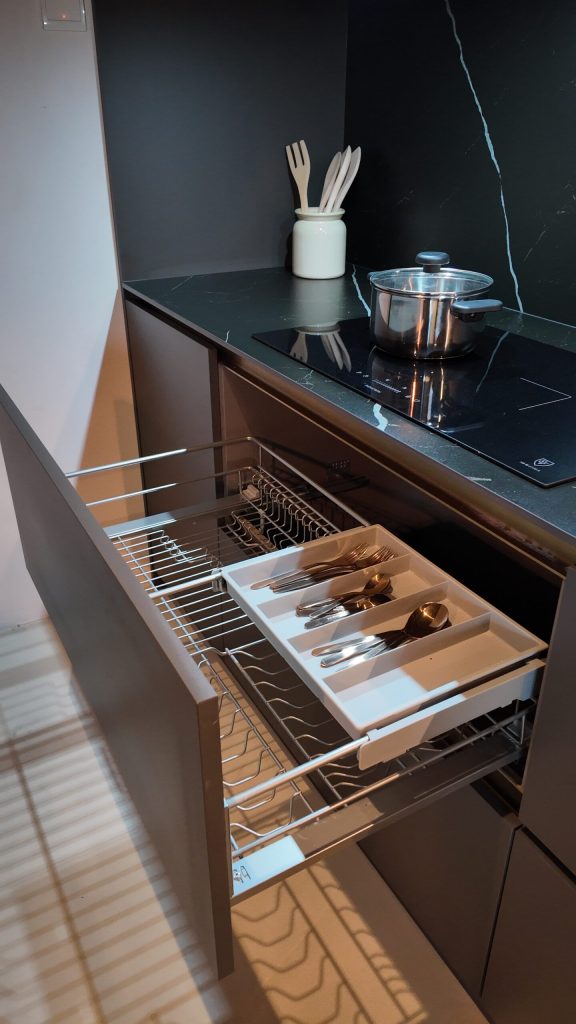
A daily BTO kitchen cleaning routine should focus on removing grease, food residue, and moisture immediately after cooking. In Singapore’s humid environment, drying wet surfaces and cleaning high-contact areas such as countertops, sinks, hobs, and cabinet interiors helps prevent stains, mold growth, unpleasant odours, and long-term kitchen deterioration.
Clean Countertops
Remove:
Wiping countertops immediately prevents grease from hardening and reduces the risk of surface staining.
Clean Cooking Areas
Pay attention to:
These areas commonly collect grease, steam residue, and food particles from daily cooking.
Dry Wet Areas
Important locations include:
Standing moisture is one of the biggest causes of kitchen deterioration in Singapore homes. Regular drying helps prevent mold growth, damaged sealant, water stains, and moisture-related cabinet problems.
A BTO kitchen should be cleaned using mild, non-abrasive products that remove grease, dirt, and food residue without damaging cabinets, countertops, sealants, or appliance surfaces. In Singapore’s humid environment, choosing the right cleaning products helps prevent moisture-related issues, stains, mold growth, and premature surface deterioration.
Then continue with:
| Cleaning Product | Purpose |
|---|---|
| Microfiber cloth | Daily wiping |
| Mild detergent | General cleaning |
| Soft brush | Corners and joints |
| Stainless steel cleaner | Metal surfaces |
| Glass cleaner | Glass panels |
Avoid:
These may damage:
Different BTO kitchen materials require different maintenance methods to preserve their appearance, durability, and performance. In Singapore’s humid environment, proper cleaning, moisture control, and suitable cleaning products are important for protecting cabinets, countertops, sinks, and other kitchen surfaces from stains, mold, corrosion, and premature wear.
This section focuses on kitchen material maintenance.
For choosing the right materials for your renovation, read our BTO Kitchen Materials Singapore guide.
Aluminium kitchen cabinets are easy to maintain because they are resistant to moisture, termites, and everyday kitchen wear. Regular cleaning, proper drying, and avoiding abrasive materials help preserve their appearance and long-term performance in Singapore kitchens.
Recommended maintenance:
Avoid:
Aluminium performs well in Singapore kitchens because it handles humid conditions better than many moisture-sensitive cabinet materials.

Quartz countertops require minimal maintenance because their non-porous surface helps resist stains, moisture absorption, and everyday kitchen spills. Regular cleaning with mild solutions is usually sufficient to maintain their appearance.
Recommended maintenance:
Avoid:
Although quartz is durable, using unsuitable cleaners can affect the surface finish over time.
Stainless steel countertops are suitable for homeowners who cook frequently because they offer durability, heat resistance, and hygienic surface performance. Proper cleaning helps reduce water marks, fingerprints, and surface scratches.
Recommended maintenance:
Avoid:
Regular drying is especially important in Singapore kitchens to reduce water marks and mineral deposits.
Sintered stone requires relatively low maintenance because it is resistant to heat, scratches, and common kitchen stains. Regular cleaning and quick removal of spills help maintain its performance.
Recommended maintenance:
Avoid:
Regular kitchen sink maintenance helps prevent stains, unpleasant odours, drainage issues, and water damage around cabinets. Keeping the sink area clean and dry is especially important in Singapore homes due to high humidity and frequent water exposure.
Recommended maintenance:
Pay attention to:
Preventing mold in a BTO kitchen requires controlling moisture, improving ventilation, drying wet areas, and inspecting hidden spaces where water can accumulate. Singapore’s humid climate makes areas around sinks, cabinets, and sealant joints more vulnerable to mold growth.
Common mold risk areas:
Prevention tips:
Kitchen sink cabinet damage can often be prevented by checking plumbing connections, keeping storage areas dry, and repairing leaks before moisture spreads into cabinet materials. Early detection helps avoid costly repairs and replacement.
Warning signs include:
Maintenance tips:
Kitchen hood and appliance maintenance helps reduce grease buildup, improve ventilation, and maintain a cleaner cooking environment. Regular cleaning is important because cooking activities release oil particles, grease, and moisture into surrounding areas.
Kitchen hoods commonly collect:
Recommended maintenance:
Regular hood maintenance improves airflow and reduces grease accumulation on nearby cabinets and walls.
Kitchen sealants protect vulnerable areas from water penetration and should be inspected regularly. Damaged silicone joints around sinks, countertops, and backsplashes can allow moisture to enter hidden areas and contribute to mold or material damage.
Check:
Replace damaged seals when you notice:
After BTO kitchen handover, homeowners commonly experience minor issues involving cabinet alignment, hardware movement, sealant condition, and moisture exposure. Regular inspections help identify problems early before they become larger repair issues.
Possible causes:
Signs include:
Common causes:
Warning signs:
Common affected areas:
Regular adjustment and maintenance can extend hardware lifespan.
Kitchen renovation warranties typically cover workmanship-related issues, installation defects, and certain hardware problems depending on the contractor’s terms and conditions. Homeowners should understand warranty coverage before accepting handover.
Confirm:
Keep records of:
Homeowners can usually handle basic kitchen maintenance tasks, but professional assistance is recommended for issues involving water leaks, electrical systems, structural damage, or major cabinet repairs. Incorrect repairs may affect warranty coverage.
Suitable DIY tasks:
Professional help is recommended for:
There is no fixed lifespan for every BTO kitchen because durability depends on material quality, installation standards, cooking habits, moisture exposure, and maintenance practices. Regular care can extend kitchen usability and reduce premature replacement.
Look for these warning signs:
| Component | Maintenance Warning Signs |
|---|---|
| Cabinets | Misalignment, swelling, moisture damage |
| Countertops | Cracks, damaged joints, surface deterioration |
| Hardware | Loose movement, difficult operation |
| Sealants | Gaps, mold growth, separation |
| Plumbing | Leaks, water stains, unusual smells |
Regular inspections help homeowners repair small issues early and maintain long-term kitchen performance.
Long-term BTO kitchen performance depends not only on material quality and installation but also on consistent maintenance habits. Based on common issues observed in Singapore kitchen environments, homeowners can extend the lifespan of their kitchens by controlling moisture, cleaning surfaces correctly, checking hardware regularly, and addressing small defects before they become major repairs.
Common maintenance mistakes include:
Regular maintenance helps protect kitchen materials, reduce avoidable repair costs, and keep BTO kitchens functional, hygienic, and visually appealing over many years.
@tse7en full house BTO renovation for aluminium kitchen cabinet, aluminium wardrobe, aluminium shoe cabinet with rotating shoe rack, HDB renovation upgrade should check this out #tse7en #aluminiumcabinet #aluminiumwardrobe #rotatingshoerack ♬ original sound - T Se7en Alucraft | Singapore
BTO kitchen maintenance in Singapore is essential because daily cooking, humidity, heat, and moisture exposure can affect kitchen performance over time.
A reliable maintenance routine includes regular cleaning, moisture control, material-specific care, and early inspection of potential problems.
Whether your kitchen uses aluminium cabinets, quartz countertops, stainless steel surfaces, or other materials, proper maintenance helps protect your renovation investment and keeps your kitchen functional for years.
A well-maintained BTO kitchen is not only cleaner it is more comfortable, durable, and practical for everyday living.
T Se7en Alucraft helps Singapore homeowners with:
Explore our complete BTO kitchen guides:
→ BTO Kitchen Renovation Package Singapore
→ BTO Kitchen Cabinets Singapore
→ BTO Kitchen Design & Layout Ideas
→ BTO Kitchen Cost & Budget Guide
→ BTO Kitchen Materials Singapore
→ BTO Kitchen Planning Singapore
A BTO kitchen should be maintained through daily cleaning, monthly hardware checks, and regular inspections of moisture-prone areas such as sinks, cabinet interiors, silicone seals, and plumbing connections. In Singapore’s humid environment, consistent maintenance helps prevent grease buildup, mold growth, water damage, and premature wear of kitchen materials.
Recommended schedule:
Prevent mold in a BTO kitchen by controlling moisture, improving ventilation, drying wet surfaces, and checking hidden areas where water can accumulate. Areas around sinks, cabinet corners, silicone joints, and appliances are common locations where mold may develop in Singapore kitchens.
Mold prevention tips:
Aluminium kitchen cabinets require simple maintenance because they are moisture-resistant, termite-resistant, and suitable for Singapore’s humid kitchen environment. Regular cleaning with mild solutions helps maintain their appearance and long-term performance.
Maintenance tips:
Stainless steel countertops should be cleaned regularly with suitable stainless steel cleaners, soft cloths, and gentle wiping methods. Drying the surface after cleaning helps prevent water marks and maintains the countertop’s appearance.
Recommended cleaning method:
Avoid:
Professional kitchen repair is recommended when problems involve leaks, structural damage, electrical issues, major cabinet problems, or warranty-related concerns. Early professional assessment can prevent minor issues from becoming expensive repairs.
Seek professional help for:
Speak to a professional now and get personalized consultation and guidance for your next renovation. Work with a team you can trust!
Home Blog Ceiling-height kitchen cabinets maximise every centimetre of vertical space and create a sleek, built-in aesthetic that many Singapore homeowners covet. Whether this choice...